
Quick navigation
When you’re getting ready to sell your freehold or leasehold house or flat, one important factor to consider is the age of the electrical wiring throughout the property. If the wiring is more than 30 years old then this can create some additional problems when trying to sell. This guide walks you through this situation and offers tips on how to attract a fast and fair offer from a buyer.
- What does it mean when a home has old wiring or electrics?
- How old wiring can negatively affect the sale of your property
- Fixing old electrics or wiring before selling your home
- Can you sell a property with old wiring or electrics as is?
- Capital Gains Tax and the sale of your home with old wiring
- Four methods to find a buyer for your property with old electrics
- Top questions about selling a house or flat with old wiring
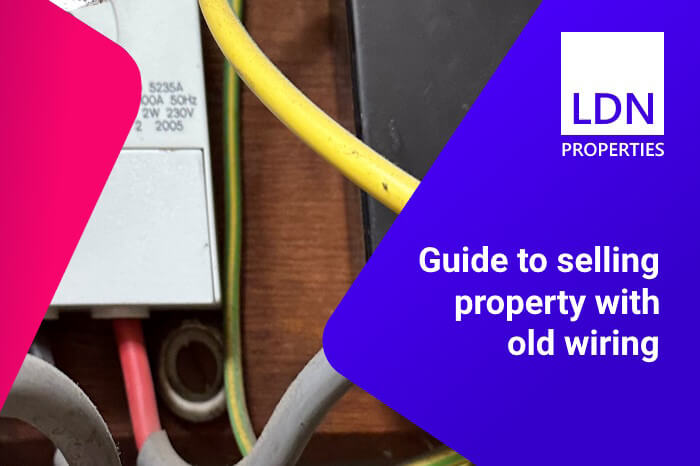
What does it mean when a home has old wiring or electrics?
Properties that were built more than 30 years ago and that have never had their internal wiring or electrics updated are typically identified as needing an update to those systems.
These houses, flats and other types of leasehold and freehold properties are considered to have old wiring that may not comply with electrics standards that have been implemented since the homes were built. These standards apply to all aspects of wiring, including requirements on what can and cannot be done with electrics when building a new property, as Wikipedia notes.
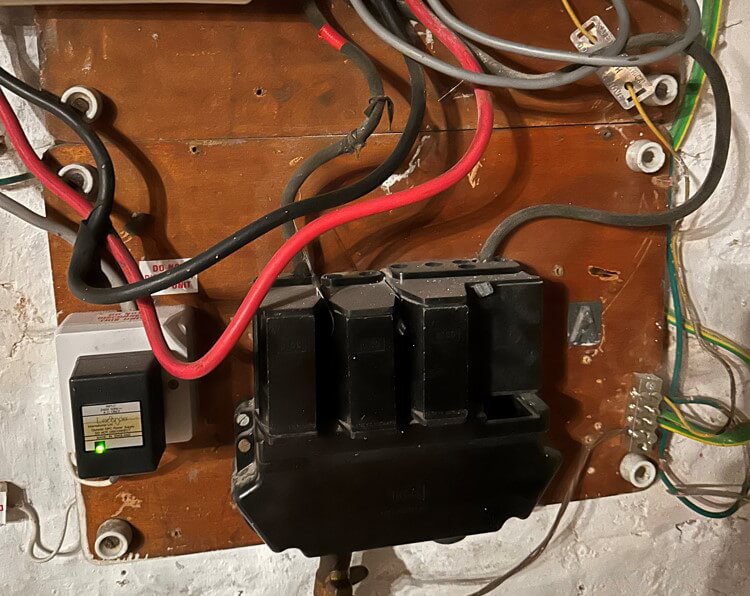
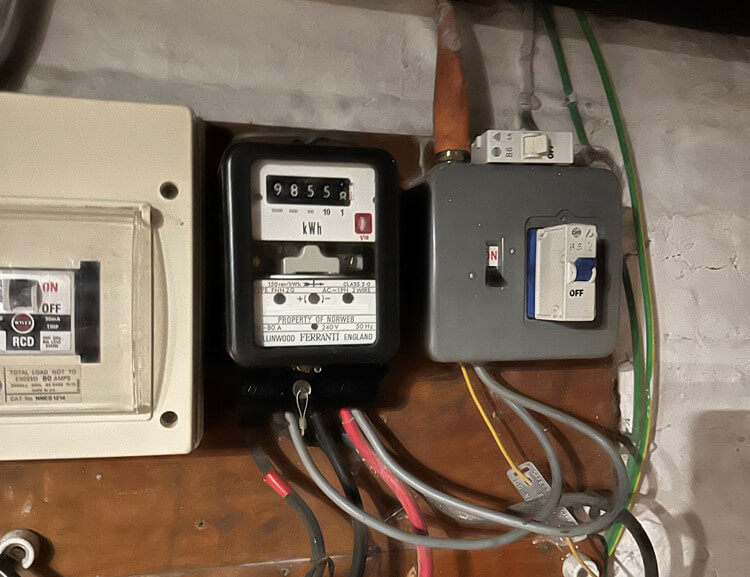
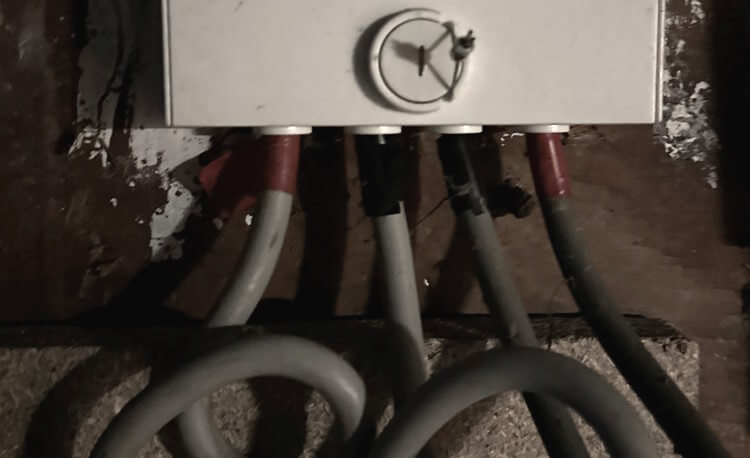
Some common signs that you might have old wiring in your home are that you get mild electrical shocks when using some outlets or switches, there is visible damage to the wiring, the lights will flicker or dim at random times, your circuit breakers will often trip, or the wiring was installed using cables that are insulated with lead or rubber, instead of modern wires that use PVC.
How old wiring can negatively affect the sale of your property
When you are trying to sell your leasehold or freehold home, some prospective buyers might be alarmed to learn that your property has old wiring, and lose interest in making an offer.
Aging electrics or wiring in a house or flat can create a number of potential problems, including power outages, damage to devices connected to the home’s wiring, and even the risk of electrical fires, as explained by the website Local Electricians Direct.
Some buyers might think that old wiring is also symptomatic of other structural problems with the house, and they could quickly make the decision to not purchase your property.
Other prospective buyers could still be willing to buy your flat or house even with old electrics, but they may significantly lower the price that they’re willing to offer for it, which in turn poses the risk of reducing your profit. That’s far from a decent outcome for those homeowners that place a top priority and maximising the profit from the sale of their properties.
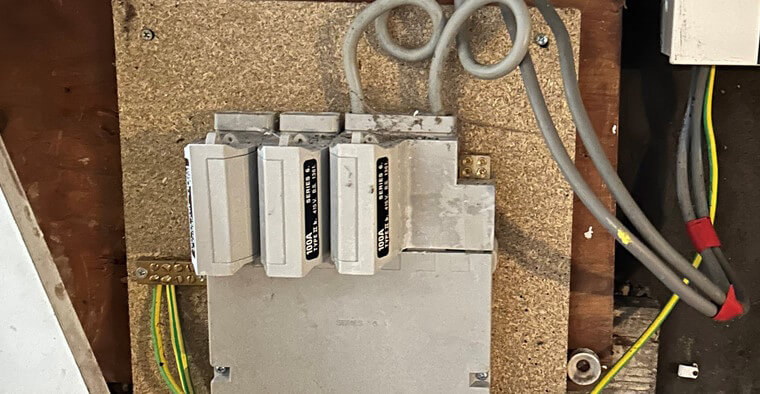
Fixing old electrics or wiring before selling your home
One solution to having old wiring in your flat or house is to invest money in getting the electrics upgraded before you attempt to find a buyer, which can have one clear benefit.
Should a potential buyer be interested in your home, they may nevertheless be concerned about the old wiring and reduce their offer price by the amount of money it would cost them to replace the electrics in the event that they buy your home. If you invest time and money into upgrading the wiring before selling, you prevent this situation from ever occurring.
However, the typical cost for rewiring a house can range from £2,500 to £7,500 and much higher, with larger properties and more extensive upgrade work costing more money. There are many homeowners throughout the UK who simply cannot afford to spend that amount of money on new wiring, and it can also be a very long process that would make a fast sale impossible.
If you have made any changes to the electrics or wiring in your since from 2005 onwards – and this would include fixes that you make now before selling your home — you are required to get what’s known as a Part B Building Regulation Certificate that confirms the work complies with existing standards, as the HomeOwners Alliance notes.
This is one of the essential documents that you might need to provide during the selling process, but if you can’t find it anywhere then just get in touch with whoever did the rewiring work and they should be able to provide a copy of the certificate that you can use.
Can you sell a property with old wiring or electrics as is?
There are a few options available to you should you not want, or be able to, replace old wiring or electrics in your home before attempting to find a buyer for the property.
You could attempt to obtain an Electrical Installation Condition Report, where an expert electrician will assess your home and determine whether the existing wiring meets the standard of being satisfactory to continue using. These reports are not required by law when selling a home, but having one in place could help buyers to feel more at ease with your old wiring.
Without even this kind of report to hand, some buyers may be too nervous to make an offer on your house or flat, as they will consider it to be in the same category as other "problem" properties they don’t want, such as those that don’t have structural warranties.
However, obtaining one of these reports could cost anywhere from £50 to £250 or more, with the final price depending on the size of your home and how much wiring there is too check. Even this kind of expense might be too much for some homeowners to spare before selling.
Wiring work can also take a long time – at least 15 days or more, and this could be too much of an inconvenience for those owners who need to sell their homes as quickly as possible.
Alternatively, you could contact a quick home buying company like LDN Properties, because they have experience with making fast and competitive offers to buy all types of freehold and leasehold houses and flats regardless of whether they have faults like old wiring.
If you sell to one of these companies then you are guaranteed to still get a fair offer for the property even without fixing the old electrics of getting a new report on their adequacy. It can be a great way to quickly sell your home without having to waste resources on anything related to the aged wiring, and quick buyers can usually complete the process in a few short weeks.
Capital Gains Tax and the sale of your home with old wiring
Some homeowners may not be aware that they could face a potentially steep Capital Gains Tax bill when they sell their freehold or leasehold flat or house, as The Negotiator explains. If you’re trying to sell your property, you should learn about this possible cost.
Capital Gains Tax applies whenever someone sells a valuable, tangible asset such as a house, a luxury car, an expensive piece or many other items. The tax, it if applies, is based on how much profit – also sometimes called the gain – that you make from selling the asset, instead of being charged based on the hopefully larger overall sale price of the property.
Understanding your possible Capital Gains Tax liability is crucial for an accurate property selling budget, because you want to avoid causing yourself any financial difficulty when selling.
If you make a loss on the sale compared to the price that you first paid for your home, you may not owe any tax. The same applies if you break even, which means selling around the same price at which you purchased the property. Speak with a financial professional, because they can tell you if you’ll owe this tax, as well as potential ways to lower or reduce your tax liability.
Four methods to find a buyer for your property with old electrics
Once you are resolved to sell your house or flat with old electrics, you will have to decide on which approach to use in order to find a buyer. You can choose from selling via an estate agent, selling to a quick home buyer, selling at an auction or selling without any help.
There are some pros associated with each method, such as quick buyers only taking a few weeks to complete the purchase of your property. And a few methods have some notable drawbacks, such as selling on your own perhaps taking more than an entire year.
Write down your main aims with selling, including your preferred asking price, how long you can wait to sell, and how much commission, if any, you are willing to pay. Then compare this information to the specifics of the four different methods below, and this should assist you in identifying the way of selling that is the best match for your unique situation.
Selling via an estate agent
When you choose this method of selling, you will not have to do much work because the estate agent handles almost every step. It starts with them creating a listing that describes your property and features photographs of it, and they’ll advertise this in their office, online and in local newspapers. Next, they’ll organise viewings where they can show potential buyers around the property, and finally they will field offers from buyers, ideally taking one to completion.
Although this can help to reduce your stress because it won’t require much effort on your behalf, estate agents will charge you commission on your property’s sale price for doing this work. This will increase your overall selling expenses because the fee will be deducted right away from the final property sale proceeds.
Selling through an estate agent might also be a slow process, and you should be prepared for waiting more than a full year before getting a serious offer. Remember also that even if someone makes on offer to buy your home, they can walk away from the purchase without any penalties all the way up to before exchanging contracts. Should that happen, you’d have to start over with finding a new buyer, which can add many more months to the schedule.
Also, some estate agents might not understand how to advertise a property that has old wiring, which means they could find it difficult to get anyone interested in making an offer on it. You should check with specific estate agents to ask them about their past success rate with selling homes that have old electrics, and avoid using any companies that lack such experience.
Selling to a quick home buyer
Quick home buyers are companies like LDN Properties, founded more than 15 years ago, that have the funds available to immediately purchase all types of freehold and leasehold properties, no matter their age, condition, location, shape or size. They can also buy so-called problem homes that have issues such as old wiring, subsidence, dry rot or non-standard construction.
They’re called quick buyers because having the resources available upfront to purchase homes means they don’t have to wait for weeks or months to initially get approved for a mortgage that would cover the cost of buying the property. This reduces the typical buying timeline to a few short weeks, and that covers exchanging contracts any paying owners the sale proceeds. This makes selling to a quick buyer often by far the most rapid way to sell any type of property.
And the trustworthy quick buying companies will never make you pay them any commission when selling your house or flat, so you can count on receiving the full sale proceeds, which is perfect for those owners who are trying to minimise their expenses when selling a home.
If you take the company up on the offer, they’ll next usually have one of their representatives visit your home so that they can inspect the inside and outside before they make a final offer.
And if you decide to accept the final offer, the final stage is when the quick buyer will work with your legal representative to sign all of the required paperwork. The entire timeline for all of these steps should be no more than a handful of weeks, giving you an extremely speedy sale.
For your reassurance, you can also ask individual quick buyers if they belong to The Property Ombudsman (TPO). This is an independent organisation that writes regulations that are designed to protect homeowners against scams in the quick buying industry. All TPO members must commit to following those rules, which should give you peace of mind with the sale.
If a company tells you they belong to TPO, you can verify this by visiting the organisation’s website and clicking on the “Find a member” tab on the left side of the main welcome page, then you’ll be prompted to type in the name of a specific quick buyer. If the company is a legitimate TPO member, like LDN Properties, you’ll see their registration details. If you get no results then the company does not belong to TPO and it could be a scam, so do not sell to them.
Selling at an auction
Auctions are unpredictable because you might get zero bids on your home, which means that it doesn’t sell and you have to restart the time-consuming process of trying to find a buyer.
Or your home might only sell at the reserve price, which is the lowest value at which you agree to sell the property. Ensure that you select a reserve price which should guarantee a profit from the sale, even after paying the auctioneer their commission. Otherwise you run the risk of only just breaking even on the sale of your house or flat, or even selling the property at a loss.
The typical auctioneer will charge commission based on the final sale price of your home, and this will add to your costs because it will be taken out of the sale proceeds.
It might be worth asking individual auctioneers if they are open to lowering their commission rate in order to reduce your expenses, or at least having the buyer pay some of your costs.
The typical timeline for selling a property at an auction is at least several months, starting with a delay of weeks or more between when you enter the home for sale and when the auction takes place. And if your property manages to find a buyer then they will usually have about 28 days to finish all of their mandatory tasks, such as signing the legal paperwork to own your home.
You could also consider checking with specific auctioneers to see if they might be willing to give the buyer a shorter deadline for the completion of their required actions. Just beware that some auctioneers might not be willing to do this, and may give the buyer even more than 28 days. If that’s the case then you may want to consider looking at other options for selling your property, particularly if you are in a situation where you need to find a buyer as fast as is feasible.
Selling without any help
You might be waiting a very long time to sell your home this way, because the typical timeline is usually at least an entire year.
That’s because it’s a very time-consuming way to sell, as you will have to handle every step of the process, starting with drafting a listing for your home, advertising it, organising viewings and hearing offers from buyers. This method can get overwhelming quickly, and is only suggested if you’ve sold a home before or can get help from an experienced friend or family member.
The only obvious benefit of selling this way is that you will not have to pay any commission to an auctioneer or estate agent. But any saving you make from that could be eradicated by the amount of money that you might have to spend on advertising the listing for your home.
Instead, consider selling your property to a quick buyer like LDN Properties, because they will give you a fair offer even with the old wiring, but they’ll also be able to complete the process of purchasing your home in just a handful of weeks, which is a much speedier timeline. That way you’ll get the dual benefit of securing a very fast sale and also paying zero commission.
Top queries and answers about selling property with old wiring / electrics
As a property owner thinking of selling quickly, you may have a few questions that need answering, ranging from the amount of repairs needed before selling through to selling with a thatched roof. Here are some of the leading questions we’re asked when selling a property with old electrics or wiring:
Your top questions when selling with old electrics / wiring
If your freehold or leasehold house or flat is more than 30 years old then it’s very likely that the wiring is considered to be old. Other typical signs of having old wiring in the home include the lights dimming on and off or flickering randomly, getting mild electrical shocks when using power sockets in the home, and if the wiring is covered in lead or rubber and not PVC.
It can, and that’s because many buyers will be concerned that the old wiring or electrics could pose a number of risks, ranging from damage to their electrical devices all the way to electrical fires that could be catastrophic. Even those buyers that might still be interested in your home are likely to offer significantly reduced prices for it because of the aged wiring.
You are not required to do so, and new wiring is unlikely to significantly improve the overall value of your home. However, it would have the benefit of removing the potential situation where a buyer reduces their offer by the amount of money it would cost them to fix the issue. But many homeowners will not be able to spend the time and funds on such work.
Yes, you have a few options, including getting an Electrical Installation Condition Report from a professional that certifies the wiring is satisfactory for use, but these can be quite expensive. Alternatively, you can contact a quick home buyer like LDN Properties who should be able to make a competitive and speedy offer to purchase your home even with the old wiring.
You might not have to pay any Capital Gains Tax, particularly if you sell at a loss compared to what you first paid for the property, or you sell breakeven close to the purchase price. If you are required to pay this tax on the sale of your home then it will be assessed based on how much profit you are able to make compared to the price that you initially paid for the property.
Your slowest choices are typically using an estate agent, an auctioneer or selling with any assistance, because all three of these processes can take many months or even more than a year. The fastest way to sell your property is to a quick home buyer like LDN Properties, because the entire process from beginning to end should only take a few short weeks.
If you sell through an estate agent or auctioneer you will often be charged commission as a percentage of the sale price. But if you sell without any help or you sell to a no-fee quick buyer like LDN Properties then you will not have to pay any commission.