Quick navigation
Some older houses in the UK have single skin walls, which uses just one layer of bricks for the wall compared to the modern standard of cavity walls that use two layers. If you’re attempting to sell this type of property, you might experience some challenges but this guide shows how to overcome them and increase your chances of receiving a competitive and speedy offer.
- What does it mean if my house has a single skin wall?
- Concerns buyers might have over a home with a single skin wall
- Mortgage problems for properties with a single skin wall
- Addressing issues with your single skin wall before selling
- Selling a property that has a single skin wall
- Single skin walls: Frequently asked questions and answers
What does it mean if my house has a single skin wall?
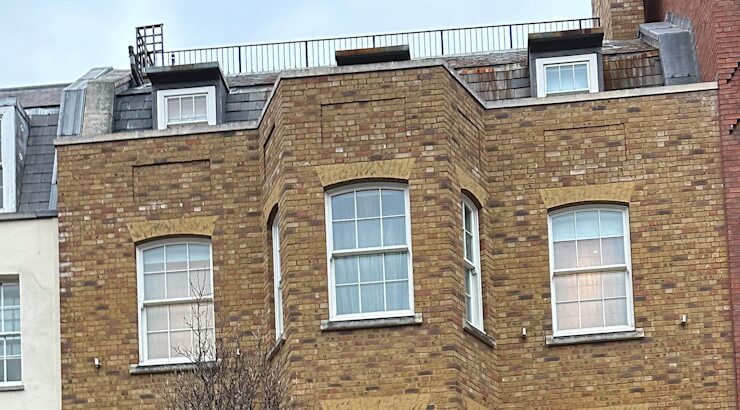
If you’re the owner of an older property, particularly one that was built during the Victorian era, then you might have a single skin wall at your home. And the presence of this unique design feature can sometimes complicate your efforts to find a buyer for the house.
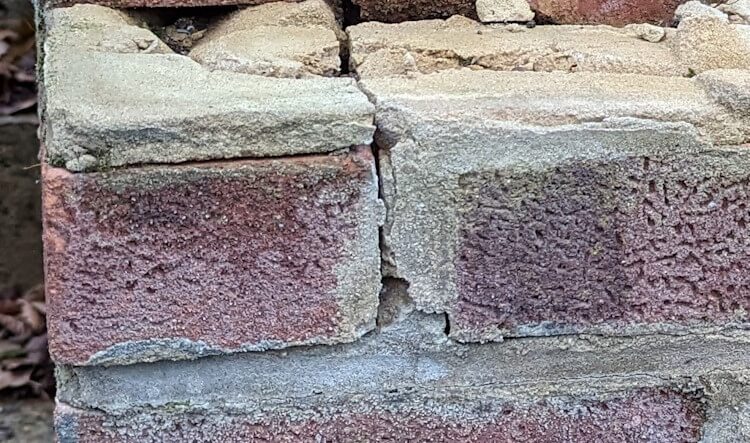
As the name implies, a single skin wall is one that is constructed using just a single layer of bricks. This contrasts with the modern standard of cavity wall construction that uses two layers, and only the latter of these two building methods comply with current regulations. Single skin walls are primarily used for exteriors, such as garages, extensions and outbuildings.
The presence of a single skin wall at your home will make it considered to be a non-standard construction property and you’ll find that these properties can sometimes be harder to sell.
This guide explains why certain buyers might be reluctant to make an offer on your house with a single skin wall, and also offers advice on whether you should consider making some improvements to address those concerns when trying to sell. It also outlines steps that you can take to boost the prospects of a buyer making a fast and fair offer for your home.
Concerns buyers might have over a home with a single skin wall
You could find it harder to sell a property that has a single skin wall compared to other property types because buyers may associate certain concerns with this type of home.
There are a few different structural problems that can occur more frequently as homes with a single skin wall, as Online Mortgage Adviser notes. The scale of the potential damage can vary widely among these properties, but any type of physical flaw is likely to give many buyers pause before making an offer on your home.
Energy inefficient: Because warmer air is able to pass through single skin walls more easily than with more-modern cavity wall construction homes, this can require owners to spend more on heating this type of property. Many buyers place a focus on finding homes that are energy efficient, and single skin walls might not be a suitable match for what they want.
Damp problems: The single layer design of your property can make it easier for water to enter the home, which can increase the risk of damp developing. And a widespread damp problem at your property could be seen as a dealbreaker for many prospective buyers.
Structural flaws: Because they are based on an outdated method of construction, single skin walls do not comply with modern building regulations, and this can be a significant concern for people who might otherwise be interested in making an offer on your home. These walls are seen as weaker than present day walls, increasing the potential for structural problems.
Mortgage problems for properties with a single skin wall
Another potential hurdle to selling your house that has a single skin wall is that it may be hard to get a mortgage for your home, as Respect Mortgages notes. That’s because of doubts that home loan providers may have about your property.
Many private buyers will need to get approved for a mortgage to cover the cost of purchasing your home, and then they’ll pay this back in monthly instalments plus interest.
If someone takes out a mortgage, buys your home and then experiences financial difficulty and ends up defaulting on their loan repayments, the mortgage provider can try to repossess the property and resell it, using the proceeds to recoup whatever amount of money is remaining on the debt.
Mortgage lenders may have the same concerns as buyers with your type of property, as detailed in the prior section of this guide, and they could worry that they’ll be unable to find a buyer for the home at a price that will cover the outstanding loan. And that could be enough reason for them to deny a mortgage, which would prevent the buyer from advancing.
But don’t be alarmed that it will never be possible to sell your property just because some buyers may not be able to get a mortgage for purchasing it. Instead, you could consider alternative methods of selling, like contacting a quick home buyer such as LDN Properties that have the funds available to purchase your house right away. They don’t need to wait weeks or longer to get approved for a mortgage, which speeds the timeline up significantly.
Addressing issues with your single skin wall before selling
If you’re concerned about being able to sell your house because of the single skin wall, there are some steps you may want to pursue to fix this issue before trying to find a buyer.
One of the most common improvements that people make to single skin walls is investing in insulation. This is work that you have done to make it harder for heat to escape your property, making it more energy efficient. But there is a specific way that this type of work must be done, as UK Home Improvement notes.
The complicated work involves removing the plasterboard covering on the wall and then installing insulation material, and this can be quite disruptive to your daily life whilst it’s ongoing. And depending on the scale of the insulation project, it could become quite expensive and take many weeks or even longer, delaying a sale and causing your expenses to rise.
Just note that there is no obligation for you to spend any time, money or effort on such work before trying to sell your home, and there are still ways to get a competitive and speedy offer for the property without making any changes to it. One such solution is getting in touch with LDN Properties or another quick buyer, because they have lots of experience with buying non-standard constructions homes and they can complete the sale in just a few weeks.
Selling a property that has a single skin wall
If you are ready to start searching for a buyer for your single skin wall home, you will next have to decide how to find them. The typical choices are trying your luck with a property auction, selling with an estate agent, selling without any assistance or selling to a quick home buyer.
There are some clear benefits with some of the approaches, such as being able to finalise the sale of your house within a handful of weeks when you contact a quick buyer like LDN Properties. Other methods have notable disadvantages, like having to pay commission when you sell your property using the services of an auctioneer or an estate agent.
You should note down your main aims with the sale of your home, including your goal asking price, your willingness – if any – to pay commission and how long you can wait before selling. Then see how these aims compare against the specific details of the four methods for finding a buyer, and this should help with narrowing your selection down to the closest match.
Trying your luck with a property auction
An auctioneer will be responsible for most of the work needed to find a buyer for your single skin wall house. They’ll create a listing that describes the property and features photographs of the interior and exterior, and then advertise this for weeks or more before the auction. They’ll host the auction and, if your property sells, will over the completion of the sale.
Typically, an auctioneer will charge you 2.5 percent of your property’s final auction sale price in order to cover all of their effort with finding a buyer. The fee is taken out of the sale proceeds immediately, so you should budget for this adding to your overall selling costs. You can ask individual auctioneers whether they are open to either having the winning top bidder pay for some of your expenses, or to lower their rate of commission, as this can help lower your costs.
Anyone looking for a rapid sale might want to consider other options because there are several long waiting periods that you’ll experience when selling this way. After you decide to try your luck with an auction, there will be a wait of many weeks or months before the auction is held. And then if your home odes manage to sell at the auction, the winning top bidder will have about 28 days to finish their necessary tasks, such as signing the relevant legal documents.
You might be able to negotiate with specific auctioneers to set a shorter deadline than 28 days for the buyer to complete these actions, but others may give buyers even more time.
There’s also no promise that your home will sell at the auction, because if nobody places a bid on the property then you’ll need to start anew with trying to find a buyer.
Or you may only get a single bid at the reserve price – this is the lowest price at which you’re comfortable selling your house. This bid would be a binding legal agreement to sell your home, and the buyer can sue you to enforce it, should you try to walk away from the sale after the auction. That’s why it’s essential for you to calculate a reserve price that should give you some profit from the sale, even after you have paid the auctioneer their share of commission.
You might also be asked to select between the traditional and modern methods of auctioning your house. Under the traditional method, your property’s listing will be advertised for several weeks or longer until the auction is held, and on that day there will be a limited window of time during which people can place bids on your property, with the top bid at the end of the auction being deemed the winner – and therefore the person buying your home.
Under the modern method, people will be able to place bids of ever-increasing value on your property 24 hours a day, seven days a week, whilst your listing is active, usually a period of many weeks or months. When the listing expires, the top price bid at that time is announced as the person that has won the auction and has therefore bought your property.
Selling with an estate agent
With an estate agent, they’ll handle many of the tasks involved with selling your property. This begins with them producing a listing, advertising it, then organising viewings to take buyers on a tour of the home. Finally, they’ll oversee offers, hopefully taking one to a completed sale.
Although you’ll have a minimal workload when selling this way, you could still experience stress from the often-lengthy schedule involved with using an estate agent. Do not be surprised if it takes many months, or sometimes even more than a full year, to receive a serious offer. If you’re a homeowner looking to sell as quickly as possible, you should assess other options.
A buyer could make a genuine offer but then change their mind and withdraw it – this will extend your selling timeline significantly because you’ll need to start over with seeking a buyer. And they are allowed to do this without being penalised, so long as contracts are not yet exchanged.
You will also need to pay your estate agent commission if they are able to find a buyer for your home and ensure exchange of contracts. Typically, estate agents charge this fee in a range between 1.15 percent and 1.40 percent of a property’s final sale price, and this will cause your overall selling expenses to increase because it’s deducted from the eventual proceeds.
There are some estate agents that may be open to negotiating a rate of commission that is below 1.15 percent, so it’s always worth asking about whether this might be possible. Just beware that other companies could charge even higher fees than 1.40 percent.
Remember also that many buyers looking for properties through estate agents will likely need to get approval for a mortgage in order to purchase your home. And this can be difficult, if not impossible, for houses that have at least one single skin wall, as Needing Advice says.
And because single skin wall homes are non-standard construction properties, it’s possible some estate agents might have never sold such a house before, which suggests that they’ll find it difficult to get people interested in your property. Ask individual estate agents if they’ve sold a property like yours in the past, and don’t use the services of someone with no such experience.
Selling without any assistance
You may be thinking about selling your house with a single skin wall without any third-party help from an auctioneer or estate agent, but this can be a very stressful option.
That’s because you’ll have sole responsibility for every aspect of the sale, from the initial production and marketing of a listing, through to scheduling viewings and hearing offers. It’s a lot of time-consuming work and should only be pursued by someone with experience selling this type of home, or who has a qualified friend or family member willing to help them for free.
Without such knowledge, you could be looking at more than a full year before you receive a genuine offer. And even then the sale of your home is not guaranteed. Someone can make an offer to buy your property but later rescind it, and they won’t face any penalties for causing the sale to fall apart if the contracts have not yet been exchanged. This will extend your selling timeline much further because you’ll need to begin again with searching for a buyer.
One of the only obvious advantages of selling on your own is that you will not be required to pay commission to an auctioneer or estate agent for finding a buyer. But this cost saving could easily be wiped out by the funds you’ll spend on advertising your listing and other steps.
If you are determined to avoid paying any commission with the sale of your home, you should instead think about contacting a legitimate no-fee quick buyer like LDN Properties. These companies never charge owners any commission when purchasing their homes, and they have the added benefit of being able to complete process of buying most properties within weeks. That timeline includes paying the owner the proceeds and exchanging contracts.
Selling to a quick home buyer
Quick buyers are companies, like LDN Properties, that have the money available upfront to buy your home right away, with no waiting many weeks or months to get approved for a mortgage. This results in perhaps the swiftest approach available for selling any type of home, taking just a few weeks to exchange contracts and pay the owner the full sale proceeds.
You’ll also find that these companies will make fair and speedy offers for houses no matter their age, condition, location, shape, size or type, and that includes properties with a single skin wall.
By way of example, LDN Properties started in 2003 and since then it has purchased and made offers for many different types of homes across the UK – not just houses with a single skin wall but flats without a bedroom or kitchen, mews houses, properties situated near to motorways, rental flats, homes that have an infestation, properties with Japanese knotweed in the garden, houses that do not comply with current building regulations, flats that lack a gas safety certification, homes with high radon levels, properties that have a bad roof, half-finished homes, penthouse flats and various other scenarios.
Yet another perk of selling using this method is that you will not have to pay any commission, if you choose an honest no-fee company like LDN Properties. This can be a great outcome for those owners who want to keep their costs as low as feasible with the sale of their home, and it’s preferable to paying commission to an estate agent or to a property auctioneer.
Plus, you will only need to have one viewing, which happens when a member of the quick buying team visits your single skin wall house to assess it before they make a final offer. Many owners prefer this to the dozens of potential viewings they may need with other selling options.
Top queries and answers about selling a house with single skin wall
Below you can read some common answers that LDN Properties provides to frequently asked questions when looking to sell homes with a single skin wall.
Your top questions when selling a house with a single skin wall
You own a single skin wall property if it has a wall that was built using just one layer of bricks, compared to the present-day standard of using a cavity wall with two layers. Single skin walls were popular during the Victorian era but they are no longer considered to meet current building regulations, and therefore this type of home is seen as a non-standard construction property.
There are several reasons why someone could be hesitant to make an offer on your property that has a skin wall, all relating to potential structural problems that might already exist or could occur in the future. For example, this type of home is known to be less energy efficient than other properties, and there’s also an increased risk of damp problems happening.
It’s possible, but home loan providers might be reluctant to approve a mortgage for buying a property with a single skin wall because of the structural concerns associated with such houses. Lenders may worry that they will struggle to be able to resell the house and recoup any outstanding loan owed to them if the buyer ends up defaulting on the mortgage agreement.
There are certain improvements that you can make to try addressing buyers’ issues with a single skin wall, in particular adding insulation that helps with increasing the property’s energy efficiency status. But this type of work could be quite expensive and take a long time, so it may not be an option for those owners trying to sell fast or without spending any more funds.
As with selling almost any type of home, there are four typical choices to find a buyer for your house with a single skin wall. You can try your luck with a property auction, enlist the support of an estate agent, try selling without any assistance or sell to a quick home buyer like LDN Properties, and you will find that each of these methods have their own pros and cons.
If you choose to sell your house with a single skin wall using an estate agent or a property auctioneer, then they will make you pay them commission if they’re able to sell your home, and this will be subtracted instantly from the sale proceeds. But if you decide to sell without any help from these third parties, or you sell to a zero-commission quick buyer, you won’t pay any fees.
Your best option for a fast sale can be to contact LDN Properties or another quick buyer, because these companies have plenty of experience with buying non-standard homes, and they can finalise the process in just a few short weeks. The three other top methods for selling – using an estate agent, an auction or selling solo – can all take at least several months.