
Quick navigation
Owners of flats that have 80 years or less left on the leasehold agreement may find it harder to sell the property because it’s considered to have a short lease. This guide explains the possible difficulties involved with trying to sell such a home, and it offers advice on how to go about extending your lease, as well as options for selling the property without getting an extension.
- An overview of how lease agreements for properties work
- Why a short lease can make selling a home harder
- The process for extending your property’s lease
- Costs involved with extending a leasehold agreement
- Four options for selling a home without extending your lease
- Frequently asked questions about extending a home’s lease
An overview of how leasehold agreements for properties work
Of the many millions of residential properties throughout the UK, some are freehold and some are leasehold – and there are crucial differences between the two categories.
Freehold homes are those where you own the building and land on which it’s located outright, with few other conditions. There’s typically no restriction on how long you can live in or own the house, as noted on the website for property experts Ellis & Co.
By contrast, leasehold properties are usually, but not always, flats and you own just your unit within the building for a set number of years as specified in the lease agreement. This is a document that you sign with the freeholder, who retains ownership of both the overall building in which your flat is situated, as well as the land on which the property was constructed.
Lease agreements can range in duration anywhere from 99 to 999 years, and the exact timeline for yours will be specific to your property. If your lease agreement has 80 years or less to run, then many buyers will view this as a short lease home, and that can be more difficult to sell.
There are a couple of ways to find out how long your lease agreement has left, and one way is to get in touch with your solicitor or the estate agent that helped you purchase the home. They should be able to find a copy of your lease agreement and let you know how long is left.
Alternatively, you visit the website of the HM Land Registry, part of the UK government that is responsible for overseeing property registrations throughout England and Wales. This website lets you pay a nominal fee to look up your home and get a copy of the title register, and this should provide all the information you need to find out how long your lease has left.
If you’re looking to sell a leasehold flat but it has a short lease remaining, you might encounter some challenges with trying to get buyers interested. This guide walks you through the possible hurdles involved when attempting to sell this type of home, and also offers tips on how to still get a fair and fast sale.
Why a short lease can make selling a home harder
The biggest problem that you might face with trying to sell a flat that has a short lease duration remaining is that many buyers view such properties as being less valuable than those with long leases.
Properties with a short lease create questions for buyers about the potential long-term ownership of the flat. They may worry that the freeholder will refuse to extend the lease once they own your property, or they could be overwhelmed at the financial and time commitments that will be required should they attempt to extend the lease as the flat’s next owner.
And homes that have a short lease might also attract a stigma generally from certain buyers that view such properties in a far more negative way than those with many years left on the lease.
Another complication of having a short lease is that a buyer might not be able to get a mortgage to fund the purchase of your flat, which would therefore make selling to them impossible.
Mortgage providers will assess the value of a property before approving a home loan. If the buyer ends up defaulting on the monthly loan repayments, the lender can ultimately move to repossess the property and try to sell it, using the proceeds to recoup the outstanding amount owed. For this reason, mortgage providers want to be sure they’ll be able to sell a home in the future at a profit if needed – and they might not think this about a flat with a short lease.
That’s because short leases are generally seen as lowering the value of a flat compared to those that have lease agreements with more than 80 years remaining, as Clifton Private Finance says.
But even if you have a short lease remaining do not worry that this means you must go through the process of extending it otherwise your home will not sell. As you’ll see later in this guide, you still have options available for selling the property with its current lease, including contacting a quick home buyer like LDN Properties with plenty of experience with speedily buying such flats.
The process for extending your property’s lease
To overcome the problem of some buyers being wary about making offers on a property that has a short lease, one solution could be to try pursuing an extension to the leasehold agreement that would extend its duration many years beyond its current deadline.
There are two ways that you can attempt to extend the duration of your lease, as explained by the Leasehold Advisory Service.
The first option is considered the informal route and this is when you simply approach the freeholder and ask them to negotiate a lease extension. This can be the easiest of the two approaches if the freeholder is open to an extension. But note that the freeholder does not have any legal duty to even talk with you about extending the duration of the lease, nor are they mandated to accept whatever lease extension you might propose to them.
Should the freeholder refuse to agree to an extension, then you will have to switch to the second option which is pursuing formal legal efforts in order to add more time to the lease.
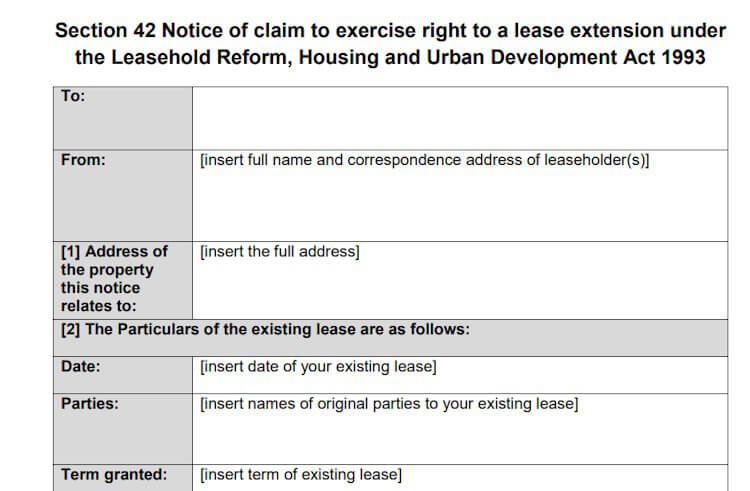
The Leasehold Reform Housing and Development Act 1993 outlines the steps you’ll need to take in order to extend your lease. This notice should include important details such as how many years you would like to extend the lease agreement and how much you’re willing pay.
It begins with filing an initial legal notice to the freeholder that you want to extend the duration of the lease. The freeholder will have two months in which they can challenge this through a counter-notice, where they will state their terms for an extension, including their preferred price.
If you and the freeholder cannot agree terms for the extension, a tribunal may be needed where an impartial party can determine the conditions of the lease agreement.
This can be a very lengthy process and take many months or more, and therefore it might not be a viable option for those homeowners who are trying to sell as fast as they can.
Just remember that you are not mandated by law or regulation to extend a short lease before trying to sell your flat. And you have ways to still get a fair and rapid offer on the home, such as selling to LDN Properties or another quick buyer. These companies are well known for buying flats with short leases and they can complete the entire process within a few short weeks. And as a further benefit, you can keep your costs low as you won’t have to pay any commission.
Costs involved with extending a leasehold agreement
If you are attempting to sell a leasehold property that has a short amount of time left on the lease agreement, and you want to extend the duration of the lease, you should also consider the possible costs of doing so.
The expenses that you’ll incur when trying to extend the length of your leasehold agreement including the cost that the freeholder will ask for granting the extension, as well as fees you will need to pay your solicitor or other legal representative for overseeing the process. If you end up at a tribunal, this will require even more work from the solicitor, increasing the cost further.
As Money Saving Expert says, extending a lease can therefore be a very expensive step to take. If one of your most important goals with the sale of your property is to keep your costs as low as possible then extending the lease agreement before looking for a buyer is likely not something that you will be able to do. Should this apply to your situation then the good news is that you still have options available to you for securing a competitive and speedy offer on your flat.
One such approach – outlined in more detail in the next section of this guide – is to get in touch with a quick home buyer like LDN Properties. These companies have plenty of experience with buying flats that have a short lease, and they’ll give you a fair and fast offer regardless of how long is left on the leasehold agreement. Even better, you should be able to finalise the sale of your property within a few short weeks and you will not have to pay any commission.
Four options for selling a home without extending your lease
If you have decided to try selling your flat “as is” without attempting to extend the duration of the leasehold agreement, you have four options available for finding a buyer. You could try selling with an estate agent, sell to a quick home buyer, sell at an auction or sell on your own.
There are advantages and disadvantages linked to each of the four selling options, as they range in costs, time taken and more. For example, if you choose to sell without any assistance or sell with an estate agent then it might take more than a year before you find a buyer. But if you sell to a quick buyer then it should only take a few weeks from the beginning to the end.
To guide your decision on which method to use, you might want to write down your main goals with selling such as how fast you want to find a buyer, your ideal property sale price, and whether you are open to paying any commission. Then compare these aims against the specific details of the methods below and this should help identify the best match for your situation.
Selling with an estate agent
You will not need to exert much effort with selling a home via an estate agent because they will handle almost all the tasks involved.
This begins when they create a listing that describes your flat and features photographs of the interior and exterior, which they will advertise online, in local newspapers and in their office to get buyers interested. They’ll also organise viewings to give people tours of your flat, and hear offers from serious buyers, with the aim of taking one to the exchange of contracts.
For putting in all of this work, an estate agent that succeeds in selling your home will typically charge commission with a range of 1.15 percent to 1.40 percent of the property’s final sale price. This will add to your costs as the fee is taken out of the sale proceeds right away.
It is also far from the speediest way to sell a flat because it can take many months, or sometimes even more than an entire year, to secure a buyer. Even then, someone can make an offer but later cancel it, causing the sale to fall apart. This will add much more time to the selling schedule because you would have to begin again with trying to locate a buyer.
Also check whether individual estate agents have managed to sell flats with a short lease before. If they have not, this implies they may struggle to get buyers interested in your home.
Selling to a quick home buyer
Quick home buyers are companies like LDN Properties that have the funds available to immediately purchase flats without having to wait weeks or months to first get approved for a mortgage. This reduces the typical timeline when selling this way to just a handful of weeks, and that includes the last stages of exchanging contracts and paying the seller their proceeds.
These companies also make fair and fast offers to buy almost any freehold or leasehold home no matter its age, condition, location, shape, size or type – including those with short leases. So, it’s a great option to get a fast sale without having to try extending your lease.
LDN Properties, launched in 2003, has bought and made offers for many homes with a short lease, as well as properties located on a roundabout, eco homes, flats with faulty or old wiring, houses that do not have planning permission, uninsurable properties, homes with a thatched roof, flats that have a high ground rent, houses that do not have a kitchen or bathroom, and many other wide-ranging situations.
Another benefit of selling to an honest no-fee quick buyer is that you will not have to pay them any commission on the sale of the property, so you are assured of receiving the full proceeds. That compares well to selling through an auctioneer or estate agent because those two strategies will charge fees that will be subtracted immediately from the final proceeds.
Selling at an auction
Auctioning your flat with a short lease is an uncertain strategy because you might receive zero bids on your home, which means it does not sell. Then you would need to relaunch your search for a buyer, and this could extend your selling timeline by many weeks or months.
The standard auction can already take a long time, with a lengthy wait between when you opt for selling this way and when the auction take place. And if your flat does sell at the auction, the winning top bidder will then have an average of 28 days to sign all of the mandatory legal documents and finish their other tasks that are needed to finalise the sale.
Remember also that you will need to pay the auctioneer commission if they manage to sell your home. This fee reimburses the auctioneer for their work in crafting a listing for your flat, advertising, hosting the auction and then overseeing the completion of a successful sale.
Usually, an auctioneer will charge commission at about 2.5 percent of whatever final sale price you are able to get for your home. This fee will therefore increase your total expenses when selling because it will be deducted immediately from the final auction proceeds.
There are some auctioneers that might be open to having the winning top bidder pay a share of your costs, or to reduce their rate of commission, so it’s worth asking about these options.
Selling on your own
Or you could attempt to sell a flat with a short lease without any help from a third party, which means you would have to handle all of the work involved with seeking a buyer on your own.
This starts with putting together a listing, advertising it, then scheduling viewings to give prospective buyers the chance to tour your home. Then you would have to hear offers from people and hopefully be able to get one of them to the exchange of contracts.
You will quickly find that this requires a significant amount of time and effort, and it can also be very stressful unless you have previous experience with selling a flat that has a short lease, or if you have a qualified family member or friend that is willing to help with the sale for free. Without such experience, you may want to consider other methods for selling your property.
It can take more than a year to sell a home this way, and even if you get an offer, the person that makes it could then change their mind and rescind it, causing the sale to collapse. They can do this without the risk of any penalties if you have not already exchanged contracts. And you’d have to start over with seeking a buyer, delaying a sale by much more time.
The only obvious benefit of selling without any help is that you will not need to pay commission to an auctioneer or an estate agent, which will reduce your expenses. But you may find that this cost is wiped out by the funds you will need to spend on marketing your listing and other steps.
Frequently asked questions about extending a home’s lease
Founded roughly 20 years ago, LDN Properties has plenty of experience buying flats with short leases. Here you can find our answers to some queries we often get about these homes.
Your top questions when extending your lease
If you own a leasehold home, usually a flat, then you have legal ownership of the property for a set number of years as specified in a leasehold agreement that you signed with the freeholder, who owns the building and the land on which it is situated outright. If you have 80 years or less left on the leasehold agreement then this is considered to be a short lease agreement.
A short lease agreement can create complications with attempting to sell your property. That’s because some buyers will be wary about possibly having a limited number of years to own the home if they cannot get a lease extension. Mortgage lenders might also be unwilling to approve a loan to buy a flat with a short lease, which would create another barrier to selling.
Yes, you have the legal right to attempt seeking an extension for a short leasehold agreement if you would like to do this before trying to find a buyer for your property. You can either informally asked the freeholder to negotiate an extension or, if they are unwilling, you might be able to use legal steps to extend your lease, but this can involve costs and other complications.
No, there are no legal requirements that say you must extend the length of your leasehold agreement before attempting to sell your flat. And you still have options for selling even without getting a lease extension. One solution is selling to a quick home buyer that has experience with buying such homes, and the process should only take a few weeks from start to finish.
Beyond selling your flat to a quick home buyer, you have other options to find a buyer that include trying your luck with a property auction, selling using the services of an estate agent or selling without any assistance. You will find that each of these methods have their own strengths and weaknesses based on their costs, the time taken, and other factors.
If you decide to sell your home through an auctioneer or an estate agent then you will be required to pay them commission if they succeed in selling your property, and this fee will add to your total expenses because it will be subtracted from the sale proceeds. But if you sell without any help or you sell to a zero-fee quick buyer then you will not have to pay any commission.
This depends on which method you use to sell your property, as it should only take a handful of weeks if you decide to sell to a legitimate quick home buyer like LDN Properties. But if you instead opt for selling through an auctioneer, with an estate agent, or without any help from a third party then it might take at least many months before you’re able to get an offer.