
Quick navigation
If you’re the owner of a high-rise flat that you are hoping to sell, the good news is that there are certain features of this property that will help with attracting buyers – but your home may also have some downsides that make selling more complicated. This guide shows how to navigate through those possible challenges so that you hopefully attract a speedy and fair offer.
- What type of property qualifies as a high-rise flat?
- Reasons why a buyer may want to own a high-rise flat
- Drawbacks buyers might associate with your high-rise flat
- How cladding could affect the sale of a high-rise flat
- Options available to sell your high-rise flat
- Selling a high-rise flat: frequently asked questions
What type of property qualifies as a high-rise flat?
High-rise flats are a type of leasehold property where you own the specific unit within a block of flats, and pay the freehold owner of the building an annual ground rent, in exchange for ownership of the home for a set number of years set out in the lease agreement.
These flats are often in former council-owned tower blocks of flats, and there are certain conditions that must be met for these buildings to be considered high-rise. Specifically, the UK government’s website explains that such properties must be either at least 18 metres tall or have at least 7 storeys, and the building must also have at least units that are solely for residential use.
The specifications are set out in a law known as the Building Safety Act 2022 and an entity known as the Building Safety Regulator (BSR) keeps details on all buildings that qualify. A high-risk block of flats has to be registered first with the BSR ahead of people living there.
As with almost any type of property, there are factors that can make your flat more appealing to buyers and issues that could make it harder to sell the unit.
Whatever your purpose behind selling your flat – and that can cover a wide range of events from needing to raise money for your retirement through to having to move to another part of the UK and more – this guide will help to reduce the stress of selling, walking you through the potential hurdles involved with attracting a buyer.
Not only will you get to learn about the various pros and cons associated with your flat, but you’ll also be shown details about your options for selling – including which strategies are most likely to result in you receiving a quick and competitive offer.
Reasons why a buyer may want to own a high-rise flat
When you are trying to sell a high-rise flat, it is helpful to learn about the various elements of your property that might make it more appealing to buyers.
Promoting these aspects could possibly help with overcoming concerns people may have about other issues with the home, although the exact benefits of your flat will be unique to your property – for example, its location and the overall size of the unit.
Great views: High-rise flats mean the units nearer the top of the building tend to have excellent views of the neighbourhood and beyond, and as one BBC News feature shows, living on a higher floor with great views makes this type of flat very appealing to certain owners.
Prime location: If the building in which your flat is located is within a neighbourhood where there is strong demand from people looking for homes then this could make it easier to attract buyers. Some of the factors that can make an area considered to be a prime location by prospective buyers include low crime rates, great amenities and decent public transportation.
Large home: This is one of the elements of your property that you will be unable to change when trying to sell it, but if you have a larger flat with several rooms and even more than one bathroom then this could be more enticing to certain buyers – particularly families that are looking for somewhere that has more space as their next dream home.
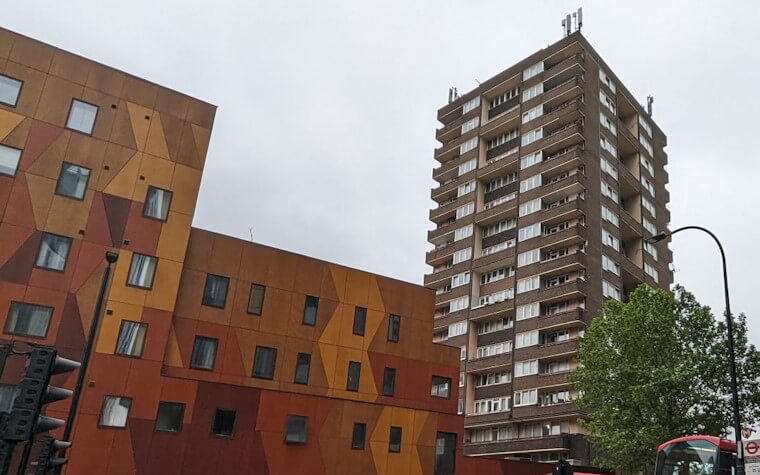
Drawbacks buyers might associate with your high-rise flat
Although there can be a number of reasons why someone might be interested in potentially making an offer on your high-rise flat, there could be some hurdles with selling it as well.
Below you’ll see just a few of the situations that can make it harder to attract offers on your unit, but remember that not all of these issues will apply to your unique situation. Some of the drawbacks cannot be fixed, such as the home’s location, whereas others could be corrected, such as having some structural damage to the flat that is relatively easy to fix.
No lift: Certain high-rise flats might only have staircases for reaching the various floors of the property, with no lift available. This can particularly be a negative issue if the person interested in your property has a disability or other mobility problems and would need to be able to use a lift to access the flat.
Undesirable area: In contrast to high-demand locations being a factor that may convince some would-be buyers to make an offer, the opposite is true if the building in which your flat is situated is in a neighbourhood that is considered less desirable than other areas. Poor public transportation, few amenities and high crime rates can all make a location less attractive.
Problem property: Another factor that can deter some people from wanting to make an offer on your high-rise flat is if the home has some type of problem, which can range from structural issues like a high radon level or storm damage through to other negative aspects such as noisy neighbours and various other elements that you might not be able to easily fix.
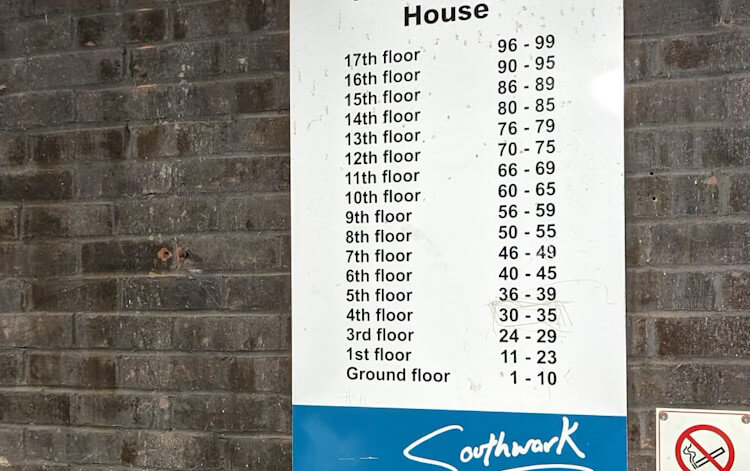
How cladding could affect the sale of a high-rise flat
Beyond the potential disadvantages that buyers might link to your high-rise flat outlined in the prior section of this guide, the issue of cladding could also complicate your efforts to sell.
Cladding refers to a construction technique where a layer of one material is placed on top of the other, in order to help protect buildings against weather damage or to provide insulation.
Unfortunately, some types of cladding are very flammable – as shown with the devastation of the Grenfell Tower fire in London in June 2017 that resulted in significant loss of life. That fire spread quickly in part because of the type of cladding used in the construction of the tower block, and it prompted a push to check whether buildings with cladding were safe or not.
For example, buyers may be more wary about making an offer on a flat in a high-rise building that has cladding made from high pressure laminate or aluminium or metal composite material, as these are known to be more likely to encourage a fire in the property to spread fast.
But the presence of cladding at your flat does not automatically mean that it will be much harder to sell the unit, as Which? explains. That’s because not all cladding is very flammable, and some are even designed to slow the spread of fires.
If your high-rise flat is in a building with this type of cladding then it might actually make selling the home easier because buyers may have more peace of mind about the property’s safety.
A simple solution can be to obtain what is known as an External Wall Fire Review (EWS1) form, where an independent expert assesses the cladding at your high-rise flat and then determines its safety and flammability. Having an EWS1 form that shows your cladding is considered safe can be one way to convince someone interested in your flat to finally make an offer.
If you do not have the time to obtain an EWS1 form before selling, or your flat has flammable cladding, you will nevertheless still be able to sell it. One solution is contacting a quick home buyer such as LDN Properties because they will make competitive and speedy offers to purchase almost any leasehold or freehold home, including high-rise flats with cladding. The next section of this guide offers more specific details on how to sell to one of these companies.
Options available to sell your high-rise flat
At the time that you are ready to sell your high-rise flat, the next choice you will have to make is which strategy you would like to use to find a buyer for the property. There are four typical options available, which are selling to a quick home buyer such as LDN Properties, selling with a property auctioneer, selling with an estate agent or selling without any assistance.
Some of these methods have clear benefits, for example being able to avoid paying commission and enjoying a sale within just a few short weeks if you sell to a quick buyer. And other choices have drawbacks, like possibly waiting a year before selling when you do so on your own.
A good way to narrow down your options is to read through the specifics of all four selling choices below and then comparing them to your top aims with finding a buyer, including how long you are prepared to wait, how much – if anything – you are willing to pay in commission, and your preferred sale price, as this should show you which option best suits your needs.
Selling to a quick home buyer
Quick buyers are renowned for making fast and competitive offers to buy practically any type of leasehold or freehold home, no matter its age, condition, location, shape, size or type and even if it has some type of problem like structural damage or any other negative factors.
For example, LDN Properties launched in 2003 and since then it has bought and made offers on many homes throughout the UK, including not only high-rise flats but also right to buy properties, flats with a share of the freehold, houses of multiple occupancy, homes where the owner his misplaced the title deeds or other important documents, properties located near a pub, flats that have a defective lease, houses that lack an electrical certificate, homes without parking, underpinned properties, flats with service charge arrears, houses situated near a motorway, homes with an infestation and many other examples.
These companies are called quick buyers because they can usually finalise the purchase of a home within a handful of weeks, and this covers the important steps of exchanging contracts and paying the seller the full proceeds. They can move so swiftly because they have the funds available right away to buy your home without having to wait to get approved for a mortgage.
Another advantage of selling your flat to a quick buyer is that the legitimate companies will never charge you any commission, so you are guaranteed to receive the total sale proceeds. That’s ideal if one of your top goals with selling is to save as much money as possible.
Selling with a property auctioneer
With a property auctioneer there is not much work that you will have to put in to find a buyer, as they will handle most of the key steps involved. This starts with putting together a listing that describes your flat and includes photographs of the interior and exterior, which they will advertise to get buyers interested ahead of hosting the auction at a later date.
Should your home not receive any bids during the auction then it will remain unsold and you will have to start again with seeking a buyer, delaying your selling schedule even further.
If your property manages to sell, the auctioneer will then oversee the final steps of the selling process. This includes giving the buyer about a month to sign all of the mandatory legal papers and finish their other tasks necessary to complete the transaction.
You might be able to persuade an auctioneer to set a shorter deadline for the buyer to do these tasks in order to accelerate the sale, but others might give buyers even more time than a month.
Auctioneers will charge you commission if they are able to sell your flat, and you can expect this to be about 2.5 percent of the home’s final sale price – but it may be higher or lower depending on the specific auction house. The fee is deducted immediately from the auction proceeds, so this will add to your overall expenses when selling your high-rise flat.
Some auctioneers might be open to reducing the amount of commission they charge or having the buyer pay a share of your costs, so it’s worth asking whether this is feasible.
Selling with an estate agent
Just as auctioneers will handle most of the tasks needed to sell your high-rise flat, the same is true for estate agents. They will create a listing and advertise it in their office, in local newspapers and online, then organise viewings where people interested in your flat get to tour it. They’ll also hear offers from buyers and ideally get one to the exchange of contracts.
This is far from the speediest way to sell a property and you should be prepared to wait more than a full year before you find a buyer. Note also that someone can make an offer to purchase your flat but then change their mind and rescind the offer, causing the sale to collapse – which they can do without penalty if you have not yet exchanged contracts. Should this happen then you will need to start over with finding a buyer, adding more time to the selling schedule.
If an estate agent succeeds in selling your flat then you will also need to pay them commission, and this is often charged within a range between 1.15 percent and 1.40 percent of a home’s final sale price. The commission is subtracted immediately from the sale proceeds, which will add to your selling expenses and is not good for those sellers looking to reduce their costs.
A few estate agents are also known to quote a very high sale price for homes even if they quietly know your flat will only sell at a lower value. They do this to get you to sell using their services, so that they can profit from the fees they will charge if they manage to sell the home.
To overcome this trick, you should ask several estate agents for no-obligation free sale price quotes for your home. Next, visit property sales websites and write down the sale price of flats like yours. Finally, work out the average of all these values and this should give you a much better rough estimate of the sale price that you might be able to get for your high-rise flat.
Selling without any assistance
Some owners of high-rise flats attempt to sell on their own, which puts the onus on them to handle every step involved with trying to find a buyer. This starts with making and marketing a listing, scheduling viewings, hearing offers and taking one to the exchange of contracts.
This is a huge amount of work and you will not be able to simply do this in your free time. For that reason, selling a home without any third-party help is only suggested for people who have previously succeeded with finding a buyer for a property or who might have a suitably experienced friend or family member that is willing to help with the sale at no charge.
Selling on your own can also be quite a slow process and it might take more than an entire year before you are able to find a buyer for your high-rise flat. Note also that selling this way shares a problem with selling via an estate agent, in that a buyer can make an honest offer but then later rescind it, causing the sale to collapse. You cannot pursue any penalties against the buyer for doing this if contracts have not yet been exchanged, and you will also face a much longer timeline for selling because you will need to begin again with trying to find a new buyer.
Whilst this approach to selling can be quite stressful, MoneySuperMarket notes that it does have the reward of meaning you will not have to pay an estate agent or auctioneer any commission for finding a buyer for the flat, which helps to save you money with the sale.
But you might find that the funds you are able to save by avoiding commission are nevertheless spent elsewhere on advertising your listing and the other tasks needed to sell your flat.
One alternative approach to consider is getting in touch with LDN Properties or another zero-fee quick home buyer. These companies make fast and fair offers to purchase almost any type of home, so you will not only be able to get the same advantage of not paying any commission but you would also have a much faster sale as the timeline should be just a few short weeks.
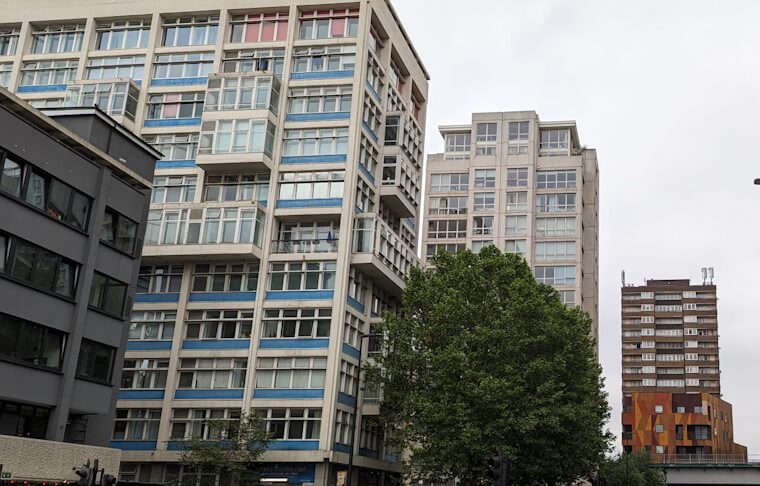
Selling a high-rise flat: frequently asked questions
If you have questions about selling a high-rise flat, LDN Properties offers our answers to some of the most common inquiries we get about the steps involved with securing a buyer.
Your top questions when selling a high-rise flat
Your home is a high-rise flat if the building where it’s located has at least 7 storeys or is at least 18 metres tall, and there are at least two units in the building that are only used as residences. These requirements are laid out in the Building Safety Act 2022 and such buildings can’t be lived in until the property is first registered with the Building Safety Regulator.
There are a number of reasons why someone might want to make an offer on your high-rise flat, with one of the most common being that flats on higher floors will provide better views of the neighbourhood and areas beyond. Another factor that can potentially help you with attracting buyers is if your flat is situated in an area where demand is currently very high for homes.
Yes, depending on the specific features of your high-rise flat there could be one or more reasons why a prospective buyer might lose interest in it. One explanation could be if the property is situated in an undesirable area, and another may be that the building lacks a lift, which will make it much harder for someone with mobility problems to live on a higher floor.
Some high-rise flats are located in buildings that were constructed using cladding that is flammable and could help fires to spread quickly, whereas other flats of this type may be in properties with safer cladding that slows the spread of fires. Depending on the material used for the cladding at your tower block, this could make buyers reluctant to make an offer.
Typically, you will be able to select from four common methods for trying to find a buyer for your property, which are selling to a quick buyer, selling at an auction, selling with an estate agent, or selling without any help. There are pros and cons to learn about each of these strategies because they range in terms of how much they cost, how long they take and other factors.
If you choose to sell on your own or through a no-commission quick home buyer like LDN Properties then you won’t have to pay any fees. But if you opt for using either an auctioneer or an estate agent to sell your flat then you will need to pay them commission, and this will cause your selling expenses to rise because the fee will be deducted from the final sale proceeds.
Your schedule for selling will hinge on how you choose to seek a buyer because selling without any help or selling through an estate agent are two strategies that might take more than an entire year, whereas selling with an auctioneer can take at least several months. The speediest option is contacting a quick home buyer as the sale should be completed within a few weeks.