Quick navigation
Our guide provides important information about cladding for flats and its potential dangers, as well as the hurdles that having cladding can create when you’re trying to sell your home. But it also offers top tips for steps you can take to find a buyer for your flat with cladding.
- What is cladding?
- Is cladding dangerous?
- Is it possible to sell my flat with cladding?
- How do I sell my property with cladding?
- What is an EWS1 certificate?
- When do I need an EWS1?
- How do I get an EWS1 cladding certificate?
- Options for selling with cladding issues
- Questions about selling with cladding
What is cladding?
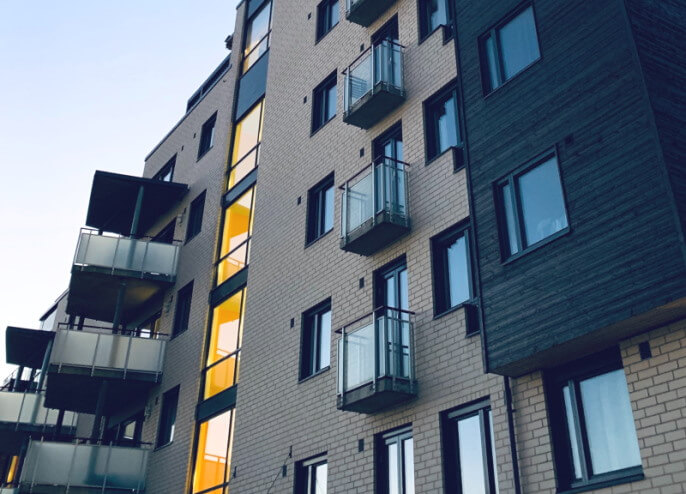
Cladding, when referenced in terms of property construction, generally refers to placing one type of material on top of a separate material in order to create what’s known as a non-structural layer. The purpose of this layer is to provide protection against weather or additional insulation for buildings, typically flats, and it can be an internal layer or an external layer.
The reason why cladding has gained prominence in recent years is because of the Grenfell Tower fire tragedy that occurred in June 2017. At the Grenfell Tower block of flats in the neighbourhood of North Kensington in West London, a fire broke out that escalated rapidly partly due to cladding that was used on the building’s exterior.
The cladding at Grenfell Tower did not meet specific safety regulatory requirements and was therefore more likely to catch fire. The disaster made evident that many blocks of flats throughout the UK were constructed with similar highly flammable cladding, and since then a debate has continued about the best method for dealing with such properties.
Is cladding dangerous?
The good news is that not all types of cladding are considered to be dangerous, and therefore simply having the presence of cladding is not an automatic hurdle to selling a flat. Indeed, some types of cladding are designed to help to prevent the quick spread of fires, which would be useful in hopefully preventing another tragedy such as the fire at Grenfell Tower.
But there are however several types of cladding that can be flammable and might be of concern if present at a block of flats, potentially making it harder to sell such a home. The types of cladding that might be considered as potentially dangerous include:
High Pressure Laminate
This type of cladding, also known simply as HPL, is made by layering resin with wood fibre or paper sheets and using pressure and heat to bond them together.
Metal Composite Material
Also known as MCM, this type of cladding combines sheets of a light substance such as polyurethane or polyethylene with various types of metal including copper, zinc and stainless steel in order to achieve the desired construction goal.
Aluminium Composite Material
ACM is made through a similar process as MCM but uses aluminium instead, and the goal of this type of cladding is generally to shield properties from rain. But this is considered one of the most flammable types of cladding and was the type in use at Grenfell Tower.
The reason that ACM is thought to be such a fire risk is that the lightweight material used in the core of the cladding is typically very flammable so it can help a fire to spread rapidly.
Timber
There are some concerns about the use of timber for cladding as well given its natural flammability, although the other types of cladding above are far more common.
Is it possible to sell my flat with cladding?
The simple answer is yes, it is possible to sell a flat with cladding, and just because you have the material on your flat is not an immediate barrier to being able to sell it.
However, the longer answer is that you should be aware that it might be significantly more difficult to find a buyer for a flat that has cladding. That’s because of new fire safety rules that were brough in following the Grenfell Tower fire, which created a mandate for a qualified specialist surveyor to conduct fire safety checks on buildings that have cladding.
As the BBC and other news outlets have recently reported, the testing process can be lengthy and elaborate. And owners of leasehold flats must approach the freeholder of the property to ask them to organise the cladding testing, with some freeholder owners ignoring or significantly delaying action on such requests.
Without a survey in place designating whether cladding on a flat is safe or not, leasehold owners find themselves stuck with a property that they cannot sell. A majority of home insurance providers and mortgage lenders are likely to believe that a flat is a fire risk and unsafe if the required tests have not been conducted, even if the home is actually not a fire risk.
For example, some banks might estimate that a flat that has not gone through the required testing is worth £0, which makes it near-impossible to sell such a property because it will be very hard to find a mortgage lender willing to help a buyer purchase that home.
How do I sell my property with cladding?
As highlighted above, if someone wants to buy your flat, they might not be able to if they cannot borrow the required mortgage money because the required cladding tests have not been completed. This will likely restrict your likely options for buyers to those who can afford to pay in cash and don’t have to worry about getting a lender to help them with the purchase.
If you would like to broaden your options for finding potential buyers, you should consider getting the necessary fire testing completed for the cladding on your flat. Unfortunately this can be an expensive and time-consuming process as you wait for a freeholder to organise a visit from a specialist surveyor along with additional cladding sample testing that must be done.
A possible workaround to this situation is contacting the freeholder, such as the company that manages your block of flats, to inquire about the type of cladding material used at your property. This will give you information on the cladding that you can either use to demonstrate to mortgage providers and others that the material is safe, or that steps are being taken to fix it.
One option for obtaining such information is an External Wall Fire Review (EWS1) form ahead of selling your flat. An EWS1 provides crucial details on whether your flat uses external cladding that a professional has reviewed for its potential fire risk, and if you can get one of these forms then you can show that to mortgage lenders or interested buyers.
What is an EWS1 certificate?
The UK government introduced EWS1 forms as a direct result of the Grenfell Tower tragedy, which prompted a broad review of existing safety rules for buildings. Before the fire disaster, most flats and houses were deemed to be safe if they were constructed in line with existing policies on building and endorsed by a local authority inspector or private inspector qualified to conduct such reviews.
An independent panel organised by the government produced recommendations for shifting the burden to the owners of buildings to ensure that they are adequately protected against the risk of fire, applicable to any property that is taller than 18 meters. The EWS1 form was designed as a way to provide documentation on the fire risk, or lack of fire risk, at a particular property. Please keep an eye on current legislation as this is a constantly evolving area.
A qualified inspector will conduct an EWS1 survey during which they assess all exterior parts of a property including the cladding, fire break systems and the insulation. They will use the information from this survey to then produce an EWS1 certificate that will state whether the cladding used on the flat is safe. If the surveyor finds that the cladding is dangerous, they will recommend steps that the freehold owner of the property should take to fix the problem.
The expert conducting the review of the property will conclude that it is either an "Option A" or an "Option B" home. Option A flats are those properties where the reviewer does not believe the cladding poses the risk of combustion during a fire. Option B flats are those properties where the reviewer has found cladding that they consider to be combustible. Option B homes are required to pursue a more in-depth assessment to address any risks that have been identified.
An EWS1 survey and resulting certificate applies for the entire block of flats and is valid for five years, so anyone who has a leasehold flat and wants to sell it can rely on that form.
However, many people have said that the requirement to have an EWS1 form has made it much more difficult to sell a freehold flat because of the elaborate review process involved.
The HomeOwners Alliance, which represents the interests of UK homeowners, has highlighted the difficult situation facing many owners of freehold flats who are struggling to sell their homes because of new fire safety testing requirements. Although the government introduced the new testing mandates, it did not provide any money to help homeowners pay for such testing. Some leaseholders are being made to pay the costs of the required tests, whilst other leaseholders are unable to sell their flats because their freeholders are yet to schedule the needed tests.
When do I need an EWS1?
As described above, an EWS1 form is mandatory for any building that has cladding and rises above 18 meters, which is typically six levels of a block of flats. You must obtain this certificate before you will be able to either re-mortgage or sell your property.
Note that there are a few exceptions to the minimum height threshold, and EWS1 forms can be required at certain types of properties that are "of concern" but less than 18 meters tall.
How do I get an EWS1 cladding certificate?
If you are interested in selling your flat and you know that you need to obtain an EWS1 certificate, you should get in touch with the freehold owner of the property. By law it is their responsibility to organise the surveyor and ensure that the process is completed.
But some freeholders do not respond quickly to such requests or completely ignore them, and if that’s the case then you can add some pressure to the owner to act by teaming up with other residents in the building to create a group calling for the EWS1 work to be done.
Consider writing to the owner, whether it’s an individual or a management company, and asking them for specific details on the type of cladding that is used on the building. You should also ask whether it’s known that any unsafe cladding has been used, and when that was determined.
In the event that the building owner does not respond to your request, you can get in touch with the fire and rescue service or your local council so that they can intervene.
However, you should know that the waiting list for conducting the required EWS1 testing is very lengthy and priority is being given to those buildings considered most at risk from fire. This can be frustrating if you are looking to sell your flat as quickly as possible but have to wait months for the testing.
Options for selling a home with cladding issues
Although the process of obtaining an EWS1 certificate can be lengthy, there are options for selling your house or flat without having to wait for the process to be completed.
Many homeowners looking to sell their properties want to do so quickly rather than waiting a number of months or even longer, and they might be able to find a buyer through a property auction, using the services of an estate agent, or selling to a fast home buyer.
Finding a buyer through a property auction
One possible option for selling your flat with cladding is contacting a property auctioneer. They will work with you to come up with a minimum reserve price at which bidding will start on your home. Note that this price is typically set at a very low level because the auctioneer is trying to generate as much interest as possible from potential buyers, with the goal of having several people trying to outbid each other by driving the final sale price much higher. You need to be aware that although this strategy can work in some circumstances, your home might fail to receive more than the minimum reserve price bid and you’ll have to settle for selling at the price. Be sure to set that reserve value at a level that is financially sustainable for you.
Auctioneers will do most of the hard work in finding a buyer for your home, including putting together the listing for the property that touts its various features. They will also host the auction itself, which means this option for selling requires the seller to do very little work.
But you might find some delays when selling your house using an auction, including a possible wait of a few weeks between the date on which your enter the flat for sale in the auction and when the sale itself take place. There could also be further delays after a successful auction is completed whilst the legal paperwork involved with your selling your home is completed.
And you can also expect to pay fees when selling your home through a property auctioneer, which can reduce the amount of money that you can expect to make from the sale. However, you might be able to pass these costs on to whoever placed the winning high bid on your home. AuctionLink provide extensive information if you are considering selling your house at auction.
Some people like property auctions because they are given a specific date when their home might sell, and any bid to buy the flat is considered a legally binding and enforceable agreement, which gives them significant certainty about selling their property.
Yet if you are thinking about using a property auctioneer to sell your flat with cladding, you should ask the company whether they have any experience with selling such homes. If an auctioneer has never before tried to sell a flat with cladding, then they might struggle to know how to prepare a listing that will generate interest from any potential buyers.
Using the services of an estate agent
Perhaps the most traditional option for selling a flat with cladding would be to contact an estate agent. They will put together a listing for your flat that features photographs of the property as well as text describing all of its features, including whether it has an EWS1 certificate. And then they will advertise that listing online, in local newspapers and elsewhere in an attempt to generate interest from people who might be interested in buying the flat.
Another advantage of using an estate agent is that they will typically handle the viewings, where prospective buyers come to your flat before deciding whether to make an offer on it. But note that these viewings can often by quite time-consuming and inconvenient for homeowners.
But there can be some drawbacks in using an estate agent when you’re trying to find a buyer for your flat with cladding. In particular, many estate agents might not have experience with selling such a property and therefore could struggle to find anyone interested in buying it. If you are interested in selling your home via an estate agent, be sure to ask them if they have sold flats with cladding in the past because if they have not, they might not know how to sell your home.
Another negative aspect of selling your flat with cladding through an estate agent is that they will charge you commission for the work that they do in finding a buyer.
You might also be waiting a very long time to find a buyer through an estate agent, because there are no deadlines associated with selling your flat using this option. This means that in worst case scenarios you could be waiting many months or potentially even more than a year before you find a buyer, which is not ideal if you need to sell your flat as quickly as possible.
Selling to a fast home buyer
A third option for trying to sell your flat with cladding is contacting a fast home buyer such as LDN Properties. We are able to provide a straightforward, no-hassle and zero-stress way for you to receive a competitive and fair offer for selling your flat.
Our goal is to complete the purchase of each home within a few weeks, and that includes the time it takes to pay you the proceeds from the sale and exchange contracts and your home. We consider that to be much quicker than selling via an auction or estate agent.
A particular element that makes us a great option for selling a home with cladding is that we have vast experience with buying all shapes, sizes, types and conditions of properties throughout London whether they are freehold or leasehold. We have many happy customers who have sold us their property, and we can also buy homes including properties with structural damage such as dry rot, houses built with concrete or other non-standard construction material, homes near mobiles masts, homes located under noisy airport flight paths or near railway stations, flats that have very short leases remaining, and other examples.
Also, we will never charge you any fees for selling your flat with cladding to us because we have always believed that homeowners should get to keep all of the profit when selling their properties. In contrast, if you sell your flat via an auction or estate agent you will have to pay them commission for the sale that can significantly reduce your profit from selling.
Frequently asked questions about EWS1 forms
Homeowners looking to sell their properties quickly often have a range of questions for us, from the time it takes to sell a home through to selling a non-standard construction house. Here are a selection of the key questions we’re usually asked about EWS1 forms:
Your questions answered when selling property with cladding
No. Just because your property has cladding does not mean that you will never be able to sell it. However, you will have to take additional steps to verify whether the cladding is a fire risk or not because without that information it might be very difficult to find a buyer for the flat.
This will depend on how you decide to try and find a buyer for your flat. If you want to use an estate agent or a property auctioneer then you will have to pay them commission, but if you sell your home to a fast buyer than you typically won’t have to pay them any fees.
Because it is a requirement that the UK government introduced in response to the Grenfell Tower fire in 2017. Highly flammable cladding is seen as one of the causes of the widespread fire, prompting the government to issue new building fire safety regulations.
You or your building’s owner will have to enlist the work of a qualified professional to perform an EWS1 assessment of a property. And if the review concludes that your home is a fire risk you will have to get another expert such as a chartered engineer to do a more detailed review.
If you are able to obtain a full EWS1 form then it will be valid for five years from whenever the relevant expert signs off on it. But remember that the process of obtaining an EWS1 form can take a very long time as there are many homeowners trying to get them.
Unfortunately, there are no statutory provisions that give you a legal right to force a freeholder to get an EWS1 form for your flat. You could consider teaming up with other residents in the building to try exerting pressure on the owner to seek the required form.