Quick navigation
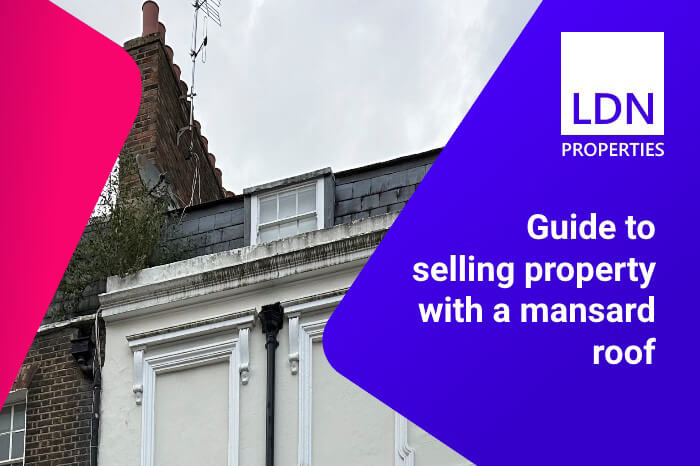
There are many houses and other residential properties in the UK that have a mansard roof, which is an elegant style of roof in use since at least the 1500s. If you are attempting to sell a home that has a mansard roof, this guide explains the reasons why buyers may and may not want to own your property, and also offers tips on how to attract a speedy and fair offer.
- What is a mansard roof?
- Different types of mansard roofs for a property
- Benefits of owning a home with a mansard roof
- Drawbacks for buyers of properties with a mansard roof
- Your choices for selling a home with a mansard roof
- Selling property with a mansard roof: frequently asked questions
What is a mansard roof?
Take a tour through almost any village, city or other location in the UK and you can see a wide variety of roofs, whether they’re flat, sloped, some combination of the two, tiled, thatched and many more categories.
One type of roof that is in use throughout the country is a mansard roof, which was originally developed in France and first believed to have been used in the 17th century.
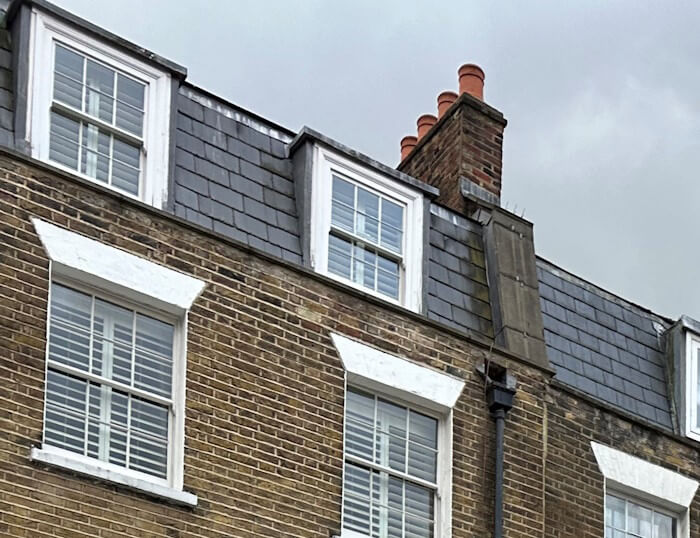
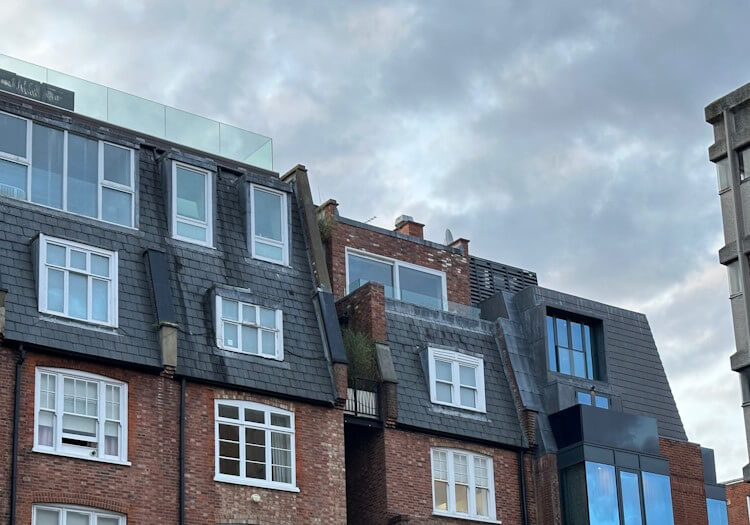
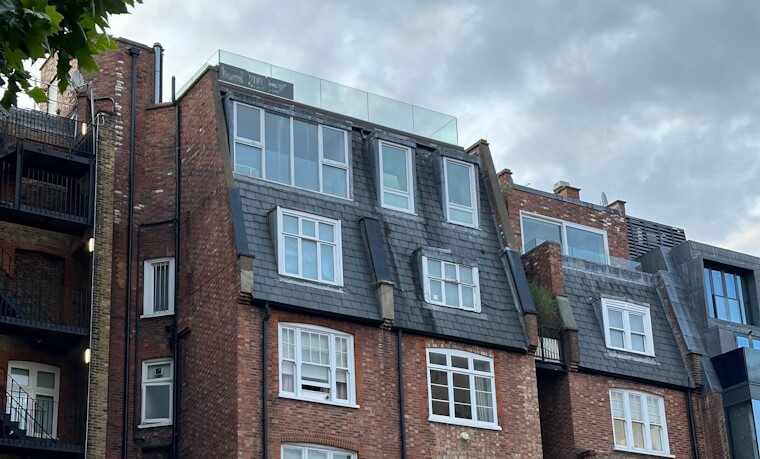
Generally, a mansard roof features sloping sides and typically dormer windows, as Wikipedia explains. It is sometimes described as combining the features of a gambrel roof, which has two sloping slides with one at a steeper angle than the other, with a hip roof, which is a design that has four evenly sized sloping sides.
The slopes and windows of a mansard roof therefore give it its unique characteristics. Whilst some people may find this type of design to be an incentive to make an offer to buy your property, other potential buyers may have less interest in owning a home with this type of roof.
Keep reading to learn more about the different categories of mansard roof, along with the pros and cons that buyers might view a home that has this type of roof. You’ll also get useful advice on the best way to increase your odds of a buyer making a fair and fast offer on your home.
Different types of mansard roofs for a property
The definition of mansard roof applies generally as described in the first section of this guide, but within that category there are a few different designs that your house might have.
Buyers will want to know exactly which category of mansard roof exists at your property, so it can be helpful to read about them before attempting to sell the home. As Modern Exterior explains, there are generally four different options available when it comes to mansard roofs, based on how the rest of the property looks.
Concave: This roof has an inward slope that results in a bowl shape, usually with dormer windows, and it is not as widely used as other types of mansard roof.
Convex: The curve for this category of mansard roof is outward and gives the roof a bell-type appearance, and the windows used are often either arched or dormer windows.
S-shape: As the name implies, this type of mansard roof features curves resembling the letter S, starting inward and then moving outward, and it can open up more attic space.
Straight: With this category of mansard roof, it will have a practically vertical base and an almost flat top, and this option is most prone to seeing buildup of rain and snow.
Benefits of owning a home with a mansard roof
When you are trying to sell your house that has a mansard roof, there’s good news in that there are a handful of benefits that some buyers will view this type of roof as having. That could in turn make them more likely to decide on making a serious offer to purchase your property.
Learning about the pros that certain people associate with mansard roofs can be helpful when talking with prospective buyers, as you can focus on these aspects of the property.
And even if your home has some negative issues, for example if it has certain structural flaws or other drawbacks, you could find that there are buyers that are open to overlooking these problems because they will place a greater emphasis on the existence of the mansard roof.
More space: One reason why mansard roofs are popular are that they provide more space in attics compared to gable or hip roofs, as Extension Architecture says. And this additional living space could be a top draw for some potential buyers.
Future expansion: Another benefit of having a mansard roof compared to other roof categories is that they can be easier to build on and around in the future, which might make this type of home more appealing to a buyer that plans on constructing an extension as the next owner.
Unique look: A mansard roof is a very specific type of design that can be appealing to certain buyers, and they may prioritise wanting a property that features such a roof. These people consider a mansard roof, with its French design history, to make homes more elegant.
Drawbacks for buyers of properties with a mansard roof
Whilst there are certain homebuyers that might be more attracted to your property because of its mansard roof, other people may have some concerns about owning this type of house.
It’s just as important to learn about the potential disadvantages that some buyers might link with properties that have a mansard roof as it is to know the advantages because this can help you with understanding why you might be struggling to attract offers on your home.
Weather vulnerability: The special design of mansard roofs is unfortunately known to make them more vulnerable to suffering damage from heavy rain and other types of weather. Snow and rain can accumulate more easily on these roofs, creating possible structural problems.
Maintenance expenses: Because mansard roofs can be more prone to damage from storms and other extreme weather, it can result in ongoing and high repair expenses, as an article by Today’s Homeowner notes.
Undesirable design: Just like any other design element at a property, a mansard roof is a unique type of architecture that might not be appealing to certain prospective buyers. The presence of this category of roof could be enough for these buyers to lose interest in your home.
Your choices for selling a home with a mansard roof
At the time that you are ready to sell your property that has a mansard roof, you will need to next settle on which method you would like to use in order to attract potential buyers.
Generally, you will have to pick from selling to a quick home buyer, selling at a property auction, selling with an estate agent or selling without any help. There are pros and cons with each of these strategies, ranging from the downside of selling taking more than a year if you do so on your own, through to the upside of not paying fees when selling to a no-commission quick buyer.
Consider noting down your top aims with the sale of your home, including whether you are open to paying any commission, how fast you want to sell, and the price at which you want to sell. You can then compare and contrast these goals against the specific details of all four selling methods, which should help you with identifying which one is best suited to your needs.
Selling to a quick home buyer
One way that you could sell a home with a mansard roof is by contacting a quick buyer. These are companies such as LDN Properties, founded in 2003, that have the funds available to immediately buy homes, without having to wait weeks or months to first get approval for a mortgage that other buyers would need in order to pay for the transaction.
This in turn means that quick buyers can generally complete all of the steps needed to buy a home, including exchanging contracts and paying the seller the full proceeds, in a few short weeks, which typically makes them the swiftest way to sell any kind of property.
These companies make speedy and competitive offers to buy almost any type of freehold or leasehold property, including not just homes with a mansard roof but also properties with a defective title, garden flats, houses with solar panels, homes located near to railway lines, smoker’s properties, properties in a broken chain, flats with high levels of radon, houses that have been vandalised, homes that have a short lease and many other varied examples.
Another advantage of selling to a quick buyer is that you will not need to pay any commission on the sale of your home, which ensures that you would receive the total sale proceeds. That’s preferable for many owners to selling through an estate agent or an auctioneer, as those methods will require that you pay commission that will be taken out of the final proceeds.
And it’s a no-hassle, stress-free and straightforward process for selling your home to a quick buyer, which begins when you get in touch with them – within the first hour of talking with a representative from the company, you should receive an initial price offer on the property. There’s no pressure to respond immediately as you’ll have at least a week to decide.
If you agree to the initial offer, someone from the quick buying company will then visit your house so that they can assess the inside and outside before they make a final offer. Compared to the potentially dozens of viewings with strangers that you might have to go through when selling via other strategies, this is the only such visit that you will need when selling this way.
Should you then accept the final offer, the quick buyer will move rapidly to work with your solicitor or other legal representative to complete all of the last steps needed for the sale. The entire schedule for the sale from beginning to end should only be a few short weeks.
Selling at a property auction
Another way to try selling your home with a mansard roof is by signing up for a property auction. Here, people will be able to place bids of increasing value on your property. Your aim is to have several buyers interested in the home so that they try to outbid each other, pushing the final price to a very high amount.
But there is zero guarantee that this will happen and you might not get any bids on the property, which means that it does not sell. As a result, you would have to start again with attempting to find a buyer, potentially delaying a sale of your house by many more weeks or months.
Alternatively, you could receive just a single bid at the reserve price, which is the lowest price at which you agree that your property can sell. A bid at this price is considered a binding legal agreement to sell your home that the buyer could you sue to enforce, in the event that you attempt to walk away from the sale after the auction has been completed.
That’s why you must calculate a reserve price that should result in a profit from the sale, even after paying the commissioner their fees – otherwise you risk selling at a loss or only just breaking even, where you sell the property close to the price that you paid for it.
The average property auctioneer will charge commission at about 2.5 percent of a home’s final sale price, and this adds to your costs because the fee is taken out of the sale proceeds right away. There are some auctioneers that may be open to charging a lower fee or having the buyer pay some of your costs, but beware that authors could charge you even more than 2.5 percent.
Auctioneers charge commission to pay for their effort in selling your house, which starts with creating a listing that describes the property and features photographs of the interior and exterior, advertising the listing to generate interest from buyers, and hosting the auction. If your property sells at the auction, they will also work to ensure the sale is completed successfully.
Selling through an auction is not the fastest choice to find a buyer for your property because there can be a lot of waiting involved, including many weeks or months between the day that you decide to sell this way and the day on which the auction happens.
Even if your home manages to sell at the auction, the buyer will then have an average of 28 days to sign all of the required documents and complete the other steps needed to finalise the sale, which would delay the timeline even further. You can ask an auctioneer to set a shorter deadline for the seller to do these actions but some might allow for even more than 28 days.
Selling with an estate agent
Yet another way to sell your house that has a mansard roof is by using the services of an estate agent. They will take care of the main tasks needed to sell your home, starting with putting together a listing, advertising this online, in local newspapers and in their office, scheduling viewings to show people around your home, and hearing offers from buyers, hopefully being able to take a serious offer through to the exchange of contracts and paying you the proceeds.
In exchange for doing all of this work, the typical estate agent will charge a seller commission within a range of 1.15 percent to 1.40 percent of a home’s eventual sale price, and this fee would increase your costs because it will be subtracted from the final sale proceeds. If you are looking to cut expenses when selling then you should consider some of the zero-fee options.
Selling with an estate agent can also take quite a long time, and it might be many months or even more than an entire year before you attract a genuine offer. Even then, someone could make an offer but later change their mind and rescind it, which would cause the sale to fall apart and require that you begin again with seeking a buyer, delaying a sale even further. And the person that made the offer can do this without penalty if contracts are not yet exchanged.
With an estate agent, you might also experience a situation where they quote a very attractive high price for selling your home despite them privately knowing it will only attract offers at a much lower value. They do this in order to persuade you to sell using their services, so that they can then financially benefit from the commission they will charge if they sell your property.
But it is fairly quick, simple and free to avoid falling for this trick. First, visit property sales websites and note down the current and historic sale prices of homes like yours. Second, ask several estate agents to give you a free sale price quote for your house. Finally, calculate the average of all these values for a more accurate rough estimate of your property’s sale price.
Selling without any help
Finally, you could attempt to sell your property that has a mansard roof on your own, which puts the responsibility on you to handle all of the tasks needed to find a buyer.
This starts with making a listing for the home that you can then advertise online, in local newspapers and elsewhere, followed by organising viewings for anyone interested, then hearing offers from buyers and eventually taking a serious offer to the exchange of contracts. This is a huge undertaking and it can easily take up most of your free time and be very stressful.
That’s why this approach to selling is only usually recommended for those people that have previously succeeded with finding a buyer for a similar home as the one you are trying to sell, or that have a suitably skilled friend or family member that can help them at no cost with the sale. If not, you might be looking at more than a full year before you are able to attract an offer.
And remember that selling on your own shares a problem with selling via an estate agent in that someone can make an honest offer but then later decide against buying your home and cancel the offer, causing the sale to collapse. They are able to do this without the risk of any penalty, if you have not already exchanged contracts. And the result would be adding much more time to your selling schedule because the search for a buyer will need to start again.
The only clear benefit of selling using this strategy is not having to pay any commission to an estate agent or auctioneer once the home finally sells. But even this saving might be eliminated by the funds that you’ll have to spend on advertising your listing and other tasks.
Instead, you could try selling to a zero-commission quick home buyer because this would be an alternative way that you would be able to still avoid paying any fees whilst getting the extra advantage of completing the sale on a much faster schedule, usually within a few weeks.
Selling property with a mansard roof: frequently asked questions
LDN Properties has bought many homes with a mansard roof since launching in 2003, and here you can discover our answers to common queries we get about selling these houses.
Your top questions when selling property with a mansard roof
First believed to be used on a property in the 1600s in France, a mansard roof is a specific type of roof design that can be found on houses and other residential homes throughout the UK.
Mansard roof is the overall term that refers to the specific type of roof that you might find on a residential property in the UK, but within this broad category there are four specific types of mansard roof. You can choose from concave, convex, S-shape and straight, and each of these options have their own appearance, as well as specific advantages and disadvantages.
You will find that there several advantages that people can see a home with a mansard roof as having, including that the unique type of design might be very appealing to them. Another reason that this type of roof can be popular is because it helps to create more attic space compared other roof options, and it can be easier to build an extension on it in the future.
Although there are a few advantages of owning a property with a mansard roof, there are also some disadvantages that buyers might associate with your home, making them more reluctant to give you an offer. One notable drawback is that this type of roof can be more susceptible to weather damage than other roof categories, and the repair costs can also be quite high.
When trying to sell this type of property, you can usually select from selling to LDN Properties or another quick buyer, selling at an auction, selling using the services of an estate agent, or selling without any assistance. There are important advantages and disadvantages to learn about these methods in terms of their cost, the time taken to sell, and other factors.
You can eliminate being charged any commission if you decide to sell your home to a zero-fee quick buyer like LDN Properties, or if you sell without any help from a third-party auctioneer or estate agent. But if you opt for either of those last two options, then they will charge you commission if they sell your property and this fee will be deducted from the sale proceeds.
The fastest choice available will often be contacting a quick home buyer such as LDN Properties because the entire timeline should only a few short weeks, and this includes exchanging contracts and paying you the full sale proceeds. The other methods of selling at an auction, selling with an estate agent or selling without any help can take at least a few months.