
Quick navigation
Having a defective title means there is some type of irregularity or missing information from your property’s title deed, and this can create complications when trying to sell the house or flat. There are various options available for proceeding with the sale of this type of home, and receiving a swift and competitive offer is still possible even with the defective title.
- What it means when selling your house or flat with a defective title
- Situations that can result in a defective title at your property
- Buyers could be wary about purchasing a home with a defective title
- Getting indemnity insurance for your defective title property when selling
- Four methods for selling a flat or house with a defective title
- Selling a home with a defective title: frequently asked questions

What it means when selling your house or flat with a defective title
If you are the owner of a house, flat or other type of residential property, one of the most important documents you’ll need when you are ready to sell is the title.
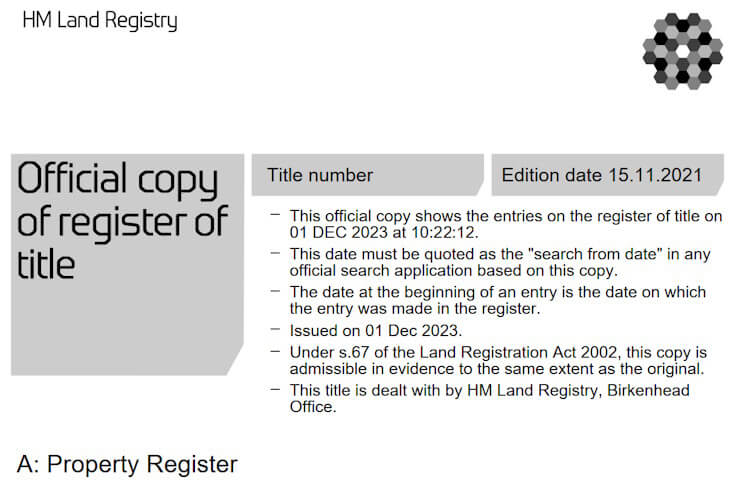
A property title identifies the home as well as the owner, as explained by Banner Jones Solicitors. Your home will have its own title number issued by the HM Land Registry, which is a non-ministerial part of the UK government that registers properties in England and Wales.
You might be the sole owner of the house or flat designated in the title, or there could be two or more people that are listed as the owners, like when a married couple buy a property jointly.
The title helps to provide assurances to a prospective buyer that you are the true legal owner of the home that you are trying to sell. But problems can arise in the selling process if the title is defective.
There are several situations that may lead to a title being considered defective, and the next section of this guide provides examples of those scenarios. You should be aware that trying to sell a home that has a defective title could be somewhat more complicated than a property with a non-defective title, although the good news is that it will not be impossible to sell.
As well as explaining the potential hurdles with selling a house or flat that has a defective title, this guide also provides tips on boosting your chances for receiving a fast and fair offer, for example by contacting a zero-commission quick home buyer like LDN Properties.
Situations that can result in a defective title at your property
Knowing whether or not your home’s title has a defect may require input from a legal professional, particularly for complicated situations. But by way of example there are a few relatively common scenarios found at properties in the UK that create defects in a home’s title:
- Your title could be defective if it includes restrictive covenants and these conditions have either been breached in the past or could be breached in the future.
- If there is some land that appears to be part of the overall property but that specific part is not registered, this can cause the title to be considered defective.
- Another possible defect can occur if there is a private sewer or road on the property but no covenant with the local authority about how it should be repaired and maintained as discussed in this guide from Free Convevancing Advice.
- Incomplete or missing title deeds, which are used to transfer ownership of a home from the current owner to the next owner, may make your title defective.
hese are just a handful of the various ways that a title could be considered defective, and the exact reason or reasons for why your title has defects will depend on your property.

Buyers could be wary about purchasing a home with a defective title
Given that there are a number of situations that can create a defective title, it means many affected aspects of a property could trigger concerns from potential buyers. And some people could view any defect in the title as being a dealbreaker and no longer want your home.
For example, if the title is defective because the property includes land that is not registered, this could possibly lead to future disputes with neighbours about ownership of that unregistered piece of land. And even the idea of such fights could prove too stressful for some buyers, so they would no longer want to make an offer on your home because of the defect.
For these reasons, it is possible that you could struggle to sell a home that has a defective title. But rest assured this does not mean that finding a buyer will be impossible.
One solution could be contacting a quick home buying company like LDN Properties, because these businesses are well known for making speedy and competitive offers to purchase almost any type of house or flat, including those that have a defective title. A later section of this guide provides more details on the steps involved with choosing this approach to selling.
Getting indemnity insurance for your defective title property when selling
If you have a defective title at your home, you might be worried that it could create legal liability for you in the event that you sell the property and the defect causes issues for the new owner that result in financial costs, because they might try to recoup these expenses from you. Or someone may be wary about buying your home, fearing their own liability due to the defect.
One way to cover yourself and future owners of the property – and therefore potentially overcome buyers’ worries about liability with the defect – could be for you to purchase indemnity insurance. You would pay the premium on this and it would cover all owners in perpetuity.
Note that purchasing indemnity insurance does not fix the problem with the defective title, as LexisNexis explains. Insurance could provide piece of mind for both you and the buyer about how financial claims will be handled should issues arise in the future due to the title’s defect.
But there are no laws or regulations mandating that you must purchase indemnity insurance whenever you have a defective title at your house or flat. It’s an option, but it might not be suitable in all cases, and there are some defects that insurance will not be able to cover.
If you do not have the money, time or interest in seeking indemnity insurance for your home with a defective title before selling, that will not be a barrier to securing a buyer for the property.
Indeed, you can still get a swift sale of your property by getting in touch with a quick home buyer. These companies, like LDN Properties, are well known for making speedy and fair offers to buy practically any type of home – including those that might be considered by others to be “problem properties” because of potentially negative factors like a defect in the title.
And there are a number of perks you’ll get to experience when selling to a quick buyer, including not having to pay any commission and completing the sale in just a few weeks.
Four methods for selling a flat or house with a defective title
At the time you are ready to sell your home, whatever the justification – for example dealing with a divorce, needing to relocate elsewhere in the UK and many other reasons – you will have to make a decision on which approach you would like to take in order to find a buyer for the property.
The four conventional ways to sell a home are doing so with an estate agent, with a quick home buyer like LDN Properties, with an auctioneer or without any assistance. There are good and bar aspects of each method, such as having to wait many months or longer to get a buyer when selling on your own, or not paying commission when selling to a quick home buyer.
Whether or not you have purchased indemnity insurance (as discussed by BLB Solicitors) for your home, the following four methods are all viable ways to search for a buyer.
You should note down your main aims with selling, which includes your willingness to pay commission, your ideal asking price and how long you can wait before selling. Then compare these factors against the specific information about all four options below, and this should help you to narrow down the selections to find the one that most closely matches your needs.
Selling with an estate agent
he first way to sell your home with a defective title is through an estate agent. They will create a listing that describes your home and includes photographs of the insider and outside, and then advertise this online, in local newspapers and in their office. They’ll book viewings to give interested people tours of your home, and they will also handle any offers you receive.
Whilst this helps to significantly reduce your workload with selling, the typical estate agent will charge commission for the effort they put in with finding a buyer for your home. This is taken out of the final sale proceeds immediately and typically in a range from 1.15 percent to 1.40 percent of a property’s eventual selling price, although it may be higher or lower than that amount.
Selling with an estate agent is not a swift choice because it can take many months or even more than an entire year to find a buyer. And someone could make an offer on your house or flat but then decide against it, cancelling their offer and causing the sale to fall apart. So long as the contracts have not been exchanged, they are allowed to do this without any penalty.
This unfortunate outcome would also delay the sale of your home even further because you would need to begin again with the process of trying to find a buyer for it.
Selling to a quick home buyer
Selling with an auctioneer
The third way to sell a house or flat with a defective title is trying your luck with a property auction. You’ll choose a reserve price – the lowest value at which you agree that your home can sell – and then people can place bids of increasing price, starting at that value. The goal is to have several people interested in your home, so that they place many bids and drive the final sale price of the property high, resulting in a strong profit from the auction.
If you do not get any bids on your home, or any at least reaching the reserve price, then your property is deemed unsold. A single bid at the reserve price is considered a legally binding agreement for you to sell your home to that bidder, and the buyer could sue you to force the sale through if you attempt to back out of it after the auction is completed.
That’s why you must calculate a reserve price that should generate some profit from the sale even after you have paid the auctioneer their fees. Usually, an auctioneer will charge a fee of 2.5 percent of a property’s sale price and this will be taken out of the final sale proceeds.
You might be able to negotiate having the buyer pay a share of this fee, or to have the auctioneer lower their rate of commission, so it’s worth inquiring about these options. Just note that other auctioneers might make you pay an even higher amount than 2.5 percent.
This is not a very fast option for selling your property and there are several longs periods of waiting, including many weeks or even months between when you choose this method of selling and when the auction occurs. If your home does sell at the auction, the buyer then typically has 28 days to sign the required papers and finish their other tasks to complete the purchase.
You could try to speed up the sale by asking the auctioneer to set a shorter deadline than 28 days but there are several auctioneers that give buyers even more time than that. If one of your main aims with selling your home is doing so on the most rapid timeline possible, you may want to consider some of the faster options, for example selling to a quick buyer like LDN Properties.
Selling without any help
And the fourth way to sell a home that has a defect in the title is to do so on your own. This means you are responsible for every task needed to sell, starting with creating and advertising a listing, scheduling viewings and giving people tours of your home, and hearing offers.
It’s a lot of work and you won’t be able to only do it in your spare time. Unless you have prior experience with selling a property with a defective title, or you have a qualified friend or family member that is willing to help you with the selling process for free, it could be many months or even more than a full year before you are able to get a serious offer from a buyer.
Selling this way also shares the same problem as using an estate agent, in that a buyer could make a genuine offer but then change their mind and cancel it, causing to sale to collapse. They are allowed to do this without being penalised so long as contracts aren’t yet exchanged. You’d then have to start over with searching for a buyer, delaying a sale even further.
One of the only clear pros of this method of selling is that you will not need to pay commission to an auctioneer or an estate agent for finding a buyer for the property, which helps lower your expenses. But this saving could easily be cancelled out by the funds that you’ll need to spend on the various steps involved with the selling process, like advertising your listing.
If you want to save money but also get a much faster sale, think instead about selling to a no-fee quick buyer like LDN Properties. These companies will not charge you commission when purchasing your house or flat, and you’ll get the additional advantage of the sale completing within a handful of weeks, and that includes paying you the proceeds and exchanging contracts. It’s a speedy, stress-free and no-hassle alternative to trying to sell on your own.
Selling a home with a defective title: frequently asked questions
LDN Properties has been buying homes with defective titles since 2003, and below you can read our answers to sellers’ top queries about finding a buyer for this type of flat or house:

Your top questions when selling property with a defective title
Since December 1990, homes in England and Wales have had to be registered with HM Land Registry, which gives properties a unique title number and notes that you are the legal owner of the house or flat and have the right to sell it. But the title can be considered defective if it is missing some information or has irregularities, and this can complicate the selling process.
Some of the most common situations where a property is deemed to have a defective title include when no agreement exists over the maintenance or repair for a road or sewer on the property, where there isn’t a right of way for a footpath, track, road or other property access, where restrictive covenants exist that could be breached, and other scenarios.
When someone is looking to purchase a home and they see that yours has a defective title, they could have concerns about whatever problems exist with the title, for example if there are issues over the right of way for an access to the home. Buyers could worry that the potential future complications involved may be stressful and this can cause them to lose interest.
Purchasing indemnity insurance can be one way to cover yourself against liability for problems that the next owner of your home might face as a result of defects in the title for the property. But this could be expensive and time-consuming, and you are not required by law to get insurance before selling – and some buyers will make offers even without such insurance.
If you opt for selling your home using LDN Properties or another quick buyer then it should only take a few short weeks to complete the entire process, including the exchange of contracts and you receiving the full proceeds. By contrast, it could take many months at least to find a buyer when you choose to sell on your own, with an estate agent or at a property auction.
It depends on which option you use to find a buyer for your property because you will not have to pay any commission if you choose to sell either without any assistance or to a no-fee quick buyer such as LDN Properties. But if you sell your home through an estate agent or auctioneer then you will have to pay them commission that will be deducted from the final sale proceeds.
You should ask specific quick buyers if they can prove they are members of The Property Ombudsman (TPO), which is an independent organisation that writes rules to shield owners from fraud in the quick buying industry. Never sell your house or flat to a company that cannot prove it belong to TPO, because it won’t have to follow those rules and could be a scam.