
Quick navigation
From the 1900s to the 1950s, many homes in the UK were built using mundic block, a type of construction material that includes mine waste and is more susceptible to deterioration. Because of the inferior quality of the material, it can be quite difficult to sell a mundic home, but this guide outlines how you can still do whilst making a profit and on a speedy timeline.
- What are mundic properties?
- Testing whether a property is mundic
- Pros and cons of selling a mundic property
- The potential for removing mundic from a home before selling
- Choices available for selling a mundic property
- Frequently asked questions about selling a mundic home

What are mundic properties?
Mundic properties fall within a broad definition of homes built from non-standard materials, which also includes British Iron and Steel Federation houses about and other less-common structures.
In terms of homebuilding, mundic refers to concrete that was produced using mass concrete and mine waste along with filler materials such as flint, sulphite materials, beach sand or residues from furnaces. Whilst initially popular because of the low cost of the material, mundic fell out of favour once it become clear how quickly it can deteriorate, which raises concerns about the damage making properties unsafe to live in.
The peak of mundic home construction was between 1900 and 1950, until stronger and more cost-effective materials became available for building properties. Mundic means "mine waste" in Cornish, and the largest number of homes built with the material was in the southwest of the UK, because that was the location of copper ore mines that produced the necessary waste. The highest concentration of mundic properties still existing is around Cornwall and Devon.
It’s not impossible to sell a mundic house or flat, but you will find that some buyers have an aversion to such properties because of the concerns about the stability of the home.
This guide elaborates on how to test to see the extent of mundic used for the construction of your property, the benefits and drawbacks of owning a mundic home that you need to be aware of when trying to convince buyers to make an offer, the rare potential for removing mundic from a property, and four options for selling the home, all with their own specific pros and cons.
Don’t worry that you’ll never be able to find a buyer for your mundic home, because even with some extra hurdles, you can still find a way to sell speedily.
Testing whether a property is mundic
Regardless of whether you know if your property has some mundic concrete or not, there is a test that you can do to determine the extent that the material is present at the house or flat.
Testing for mundic is usually done by independent consultants, and they will likely charge you several hundred pounds for it. But this initial cost can be useful because it will give you firm details on the scope of mundic at your home and whether it is currently deteriorating, which you can then provide buyers.
People interested in your home will likely want this information, and having it available immediately avoids any delays during which time a buyer could lose interest in making an offer on your property. And it’s better to do the testing early, rather than wait until a potential buyer asks for it to be done, because the latter situation will just add many more weeks to the selling process.
A consultant will find several random places throughout your home where they’ll drill 50 millimetre holes in the wall and extract small samples of the mundic. These samples will be sent to a professional material where the composition will be analysed for its quality.
The results of this testing are given in grades ranging from A to C, with A being ideal and some B and C guides making it all but impossible for a private buyer to get approved for a mortgage, because lenders often see such properties as too precarious for a long-term investment.
Grade A: These samples that don’t include any minerals of concern, and mortgage lenders are likely to approve loans for buying these properties because they are not deteriorating.
Grade AB: These samples have some low amounts of minerals that could be harmful, but overall the home is considered safe and buyers should be able to obtain a mortgage.
Grade B: These samples have high amounts of problematic minerals, but the home is not presently showing any deterioration, although it might happen in the future. Mortgage lenders are often wary of approving loans for private buyers if the results have this grade.
Grade C: These samples are already showing prominent evidence that the mundic is decaying and that the home needs massive repairs, making them effectively impossible to mortgage.
Pros and cons of selling a mundic property
Mundic properties can be harder to sell, because many buyers might be too concerned that the building might be unstable in the long run and will deteriorate.
Just like Wimpey No-Fines homes, that doesn’t mean there isn’t a market for mundic homes, and someone who has a tentative interest in purchasing your property will be aware of the stability concerns. Once they hint at possibly making an offer, your goal should be trying to persuade them of the merits of owning a mundic home – and although there are some cons, there are also some advantages.
Look at the brief summaries of the pros and cons of owning a mundic property below, because you might be able to use them to help with touting the benefits to prospective buyers, or alternatively inform counterarguments should a buyer raise a specific drawback with you.
Advantages of owning a mundic property
- It can be cheaper than buying other types of homes, because of the concerns that many people will have about the quality of the property being inferior.
- The presence of mundic might be very limited, for example just used in a small part of the house, and it could be fairly cheap to remove it as the owner.
Disadvantages of owning a mundic property
- Buyers might find it difficult to get a mortgage for the purchase regardless of the grade of the mundic, because lenders will be wary about this type of property.
- There’s always the chance that even Grade A mundic could deteriorate in the future, and any deterioration could be incredibly expensive to fix.
The potential for removing mundic from a home before selling
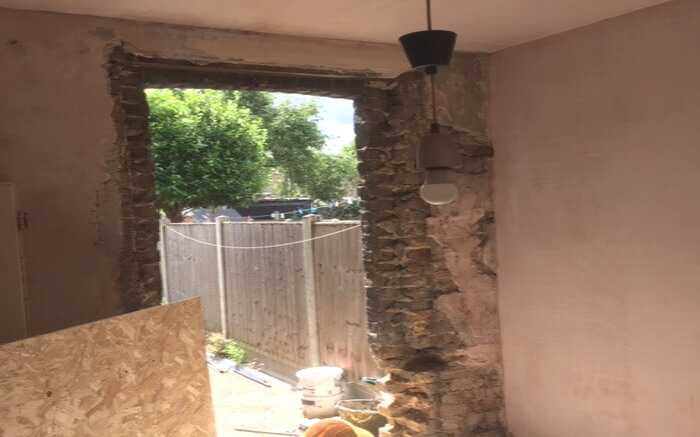
Although rare, there are some situations in which it might be possible to remove mundic from a property. You could consider doing this before selling, or you might be able to let prospective buyers know that this is an option, which could make them more interested in your home.
Some estate agents have reported mundic only being present in a very small area of a property, such as a bay window, or limited to an extension built using the material when the rest of the home was constructed with a stronger alternative that won’t be a concern to buyers.
If that’s the case, you might want to invest time and money in removing the mundic, although the cost and duration involved will increase with the size of such a project. Replacing mundic in a bay window may be within your budget, whereas demolishing an extension built from the material could be an incredibly expensive and lengthy endeavour. You are under no obligation to remove mundic before selling, and you should not do so if it’s beyond your budget.
For those owners who can’t afford such a project, or don’t want to do it, you can instead tell potential buyers about the limited amount of mundic and explain to them the potential for investing in work to remove it. That could help them to overcome any hesitation that they might have about making an offer on your property, particularly if the removal would not require much effort.
Choices available for selling a mundic property
When you are prepared to find a buyer for your mundic home, one major decision that you’ll have to make is how you’d like to sell. Most people choose between selling non-standard construction property through an auction, selling through an estate agent, selling to a fast buyer, or selling without any assistance.
There are clear pros of using each approach, but some of the choices also come with major disadvantages. Read the details of the four selections below to learn more about them, and find the one that best matches your wants and needs in terms of how fast you’ll sell, whether you’ll pay any commission for selling, and how much profit you would like to make from the sale.
You should opt for the method of selling that is most likely to maximise your profit and do so quickly, and try to avoid at all costs having to sell at a loss or only breaking even.
Selling a mundic home through an auction
Any auction can be a gamble, because the seller doesn’t know whether their item will receive any bids, nor what the final sale price might be – and that’s true for property auctions.
You will be asked to select a reserve price, which is the lowest value at which you are willing to sell your mundic home. Ensure that you opt for a reserve price that you are happy with, even after you have subtracted any fees that the auctioneer will charge. Otherwise you risk ending up in the situation of only breaking even on the home, or selling at a loss.
Note that if your property receives zero bids at the auction, it is deemed unsold, and you will have to start over with finding a buyer, adding even more time to the selling process. A bid placed at the reserve price or higher, by contrast, is considered a legally binding purchase and the winning high bidder could sue to force completion of the sale if you try to walk away from it.
There are two types of auction, and you might be offered your choice – either the traditional method or the modern method. With the traditional method, an auctioneer will prepare and advertise a listing that features photographs of the interior and exterior of your mundic home, along with text describing its main elements. This listing will run for several weeks in local media, online and elsewhere to hopefully generate interest from buyers ahead of the auction. At the auction, people can then place bids of ever-increasing value if they want to buy your home. Whoever placed the highest price bid when the auction ends is then deemed the winner.
If you choose the modern method, the auctioneer will similarly create and advertise a listing for your property. The difference is that people can place bids 24 hours a day, seven days a week, on the home until the listing expires, and the top bid at that time is officially the winner.
Auctioning is not the fastest way to sell a mundic home, because you’ll have to wait for at least several weeks between when you first contact an auctioneer and when the auction happens or the listing expires. If your property manages to sell, the winning high bidder typically then has 28 days to finish the paperwork and other mandatory steps in order to complete the purchase.
Some auction houses might set a much shorter deadline for the buyer, whilst others could allow even more time than 28 days. It’s wise to ask individual companies what deadlines they set, because you might be able to negotiate a reduced waiting time in certain circumstances.
In addition to the lengthy time involved with selling through an auction, you will also have to pay commission if your property sells. Again, query auctioneers about their fees to see if you can negotiate a reduced charge, or potentially pass on the obligation of paying some charges on to the winning high bidder.
Note that if your home does not manage to sell at an auction, you typically will not have to pay the auctioneer any fees, so at least you don’t have to pay for failing to get a buyer.
It’s important to note that some auctioneers only know how to sell conventional properties, and they might never have attempted to sell a mundic home before. If that is the situation, the auctioneer could find it difficult to know how to market your property and generate any interest from potential buyers, increasing the risk that it fails to get any bids during the auction.
You should inquire with individual auctioneers about their history with selling mundic homes, including their success or failure rate. If you are determined to use an auctioneer to sell your property, try to pick one that has managed to sell mundic properties at a profit in the past. Read more about selling your house at auction in our comprehensive guide.
Selling a mundic home through an estate agent
Estate agents make the selling process fairly easy for homeowners, because you won’t have to do much work. The estate agent will be responsible for producing and advertising a listing for your mundic house or flat, they will schedule and host viewings where potential buyers get to tour the inside and outside of the property, and they will hear any offers. Ideally, they’ll find a serious offer that they can guide through to a final sale with contracts being exchanged.
But this work can take a long time, and it isn’t unusual for owners to be waiting for many months, and in some worst case scenarios over a full year, before their homes sell.
A further problem is that a buyer could make an offer, and the sale appears on track, yet they lose interest at the last minute and withdraw it. Unless you’ve exchanged contracts, there’s nothing you can do to enforce the sale in this situation. All that happens is you’ll have to start over with trying to find a buyer, likely adding many more months to the overall process.
Another drawback of using an estate agent to sell your mundic home is that they will charge commission if they’re able to find a buyer for the property. This charge is taken out of the sale proceeds immediately, which means you have to accept a lower net profit.
Some estate agents might also not have the necessary knowledge for how to quickly sell a mundic home, particularly if they only have expertise in selling conventional houses or flats. Get in touch with specific companies and ask whether they’ve managed to sell mundic homes in the past. Avoid estate agents that have never sold such a property, because the likelihood is that they won’t know the best way to advertise the home and generate any interest from buyers.
Also beware that a handful of estate agents could tell you a very promising high price for selling your mundic home, despite them knowing secretly that buyers will only be interested at a much lower price. This trick is designed to convince you to sell to a particular estate agent, so that they can charge you commission if they’re able to eventually find a buyer for the property.
The good news is that you won’t have to do much work to avoid falling for this manoeuvre. Start by asking many estate agents for a free sale price quote. Next, check the price of mundic homes similar to yours within your region that are listed or have sold on property sales websites like Rightmove and Zoopla. Finally, calculate the average of all these values, and that figure will be a much more accurate estimate of the viable listing price for selling your mundic home.
Selling a mundic home to a fast buyer
Fast buyers are companies like LDN Properties, based in London and launched in 2003, that have the financial power to immediately purchase homes. They don’t have to wait many weeks or months to first get approved for a mortgage to fund the transaction. That means they can generally finalise the purchase of any property in just a few short weeks, and this includes the essential final steps such as exchanging contracts and paying owners the sale proceeds.
As a result, selling to a fast buyer is often the speediest choice, and this is especially true when trying to find someone to purchase a property that has a unique feature. That’s because quick buyers are known for being open to making offers on practically any type of property, regardless of its age, condition, shape, size or type, or whether it’s freehold or leasehold.
LDN Properties, for example, has a long and varied list of purchases since launching in 2003 that includes, but is not limited to properties with damp problems, vandalised houses, flats that have tenants with very lengthy leases remaining, homes located by noisy railway stations or underneath busy airport flight paths, flats with rot, lock-up garages, inherited retirement properties, land and many other different situations. LDN Properties can also consider larger properties in the UK such as bed and breakfasts.
What’s also great about selling to a fast buyer is that the honest companies will never make you pay any commission, so you are assured of receiving the entire profit from the sale. Compare that to using an estate agent or auctioneer, where you’ll be required to pay commission, and this will be taken out of the proceeds immediately, leaving you with a reduced net sale profit.
Another great aspect of selling this way is that owners can get extra reassurance about the safety of using quick buyers, if the companies are registered with an independent entity known as The Property Ombudsman (TPO). This organisation writes rules to protect homeowners against scams in the fast buying sector, and all legitimate TPO members must adhere to them, which should give you additional peace of mind when selling to these businesses.
Thankfully, it’s not difficult to find out whether a quick property buyer is genuinely registered with the organisation. Visit TPO’s website and on the left side of the welcome page click on the “Find a Member” button, then type in the name of a specific fast buyer when prompted. If the business is a genuine TPO member, you will then be shown their full membership details.
Selling a mundic home without any assistance
Another choice for selling your mundic home is to try doing so alone, which means you won’t get any assistance from a third party like an estate agent or an auctioneer.
This can be a very stressful choice, as you’ll be responsible for producing and advertising the listing, organising and hosting viewings, and fielding offers from serious buyers. It’s a huge amount of work, and not something you can do in your spare time. For that reason, it’s only advised for people who have experience with selling properties, or that might have a friend or family member with such knowledge who may be willing to help you sell for free.
Many people who have tried to sell properties this way say that it’s often the slowest method, and you should be prepared to wait more than an entire year before finding a buyer. That’s not a good match for anyone who would like to sell their home on the fastest timeline feasible.
This approach to selling does have the benefit of not having to pay a third party any fees, which means that you can count on receiving the entire sale proceeds. However, this financial benefit may be offset by the funds you’ll have to spend on advertising your property.
Instead, you should consider selling your mundic home to a fast buyer, because they will not charge any commission, so you can achieve the same result but with zero stress.
Top queries and answers about selling a mundic property
When homeowners are thinking of selling their property quickly they typically have some questions to answer, ranging from the amount of repair works to do before selling through to selling a home in bad condition. Here are some of the main questions and answers about selling a mundic property:
Your top questions when selling a mundic house or flat
The usual description of a mundic property is one that was built with mundic, which is a mixture of concrete, mine waste and filler materials like beach sand or flint. The material can deteriorate quickly, and for this reason it was only used to build homes for a few decades. Most properties in the UK built with mundic were constructed from the early 1900s to the late 1950s.
After testing your home to determine the quality of the mundic, you’ll be given a grade ranging from A to C. Grade A is considered suitable for buyers to obtain a mortgage and free from damaging materials. Grade AB has minimal amounts of such material. Grade B has elevated levels of these materials but no deterioration, whilst Grade C signals decay is happening.
Yes, in limited circumstances it might be possible to remove mundic from a property. The material might have only been used for a small part of the home, such as a single bay window, or an extension that could be demolished. However, if mundic was used throughout the property, which is the typical scenario, then removal will likely not be a viable option.
The time it will take to sell your home depends on the method that you select for finding a buyer. Expect an average auction to take several months from start to finish. Using an estate agent or selling on your own may take more than a full year. By contrast, selling to a fast buyer could take just a few weeks, and that includes you receiving the proceeds and exchanging contracts.
Trustworthy quick home buyers, such as LDN Properties, are registered with The Property Ombudsman (TPO), which is an independent organisation that publishes regulations to guard homeowners against fraud in the fast buying industry. Be wary of companies that refuse to join TPO or cannot prove their membership status.