
- What is Japanese knotweed
- Why a home with Japanese knotweed can be harder to sell
- Your duty to tell buyers about Japanese knotweed
- Tips to spot Japanese knotweed
- Should you treat Japanese knotweed before selling
- Why is Japanese knotweed a problem for my home
- Questions when selling with Japanese knotweed
What is Japanese knotweed?
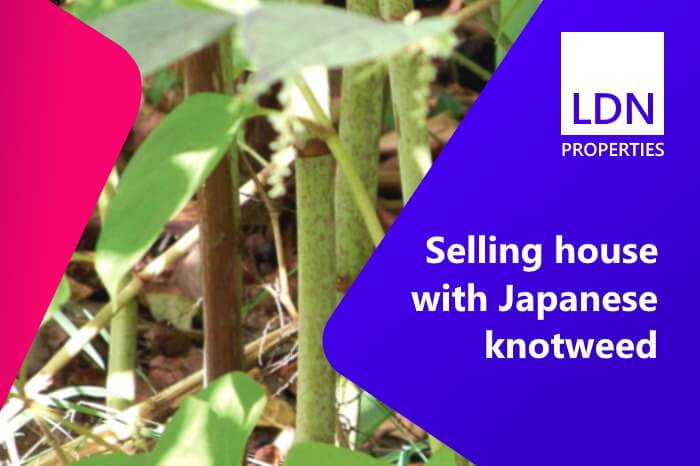
It’s a weed that originates from Japan and elsewhere in East Asian, hence the name Japanese knotweed. While it’s native to that region, it’s seen as an invasive species in the United Kingdom because of the fact it can spread quickly and cause major damage to homes.
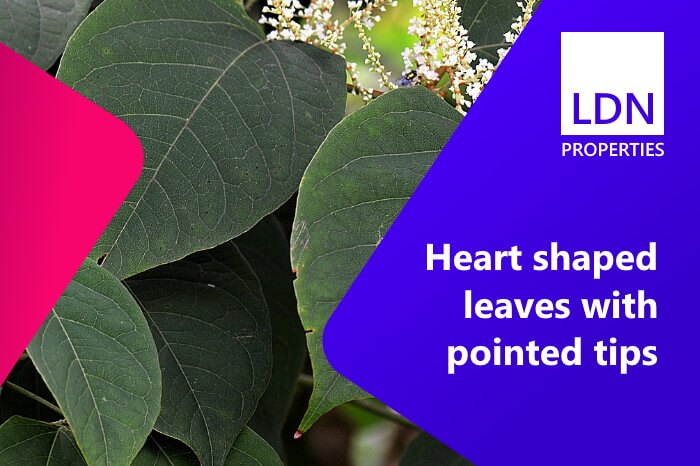
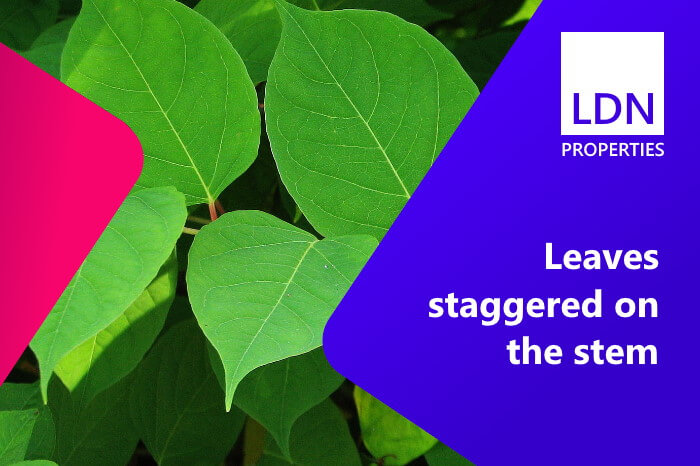
You can tell Japanese knotweed from its appearance, which closely resembles bamboo stems. The way to distinguish the two is to examine the weed – if you see that the weed has fleshy and red shoots emerging from the ground, hollow and thin stems, and very large green leaves shaped likes hearts or spades with zig-zag patterns on their stem, it’s likely Japanese knotweed.
Why a home with Japanese knotweed can be harder to sell
Some estimates suggest that Japanese knotweed, depending on the scale of the problem, could devalue a property by up to 15 percent of its potential sale price.
That’s because these homes are generally seen as much harder to sell than a property which is free of Japanese knotweed. Prospective buyers may have concerns about the structural damage to their potential future home that could be caused by the invasive weed, and even if you remove the problem, they might worry that the issue could recur in the future.
Recently, one homeowner in south Wales successfully sued to recover almost £5,000 in damages for the loss of value to their home as a result of it having had Japanese knotweed in the past. As The Guardian details, the case claimed that the stigma of the weed being present was enough to justify the damages, even though the Japanese knotweed had since been eradicated.
That’s because the roots of the weed can still remain underground even after the infestation has been successfully treated, and the past presence of Japanese knotweed must still be disclosed to potential buyers. The recent court victory for the homeowner is just the latest example of how the presence of Japanese knotweed can make a property appear less valuable.
Thankfully, it’s still possible to sell a home that has Japanese knotweed, but you might have to consider alternative methods of selling than using an estate agent or auctioneer.
For example, quick home buyers like LDN Properties are experts at making competitive and rapid offers to purchase almost any type of home – even those considered to be problem properties because of a negative factor such as the presence of Japanese knotweed. Selling to a quick buyer can be one way to overcome the hurdles with selling this type of property.
Your duty to tell potential buyers about Japanese knotweed
Whatever your justification for wanting to sell your home – whether you’re trying to downsize to a smaller property, are preparing for retirement, plan on moving overseas or anything else – you are required by law to disclose the presence of Japanese knotweed at your home to any potential buyers.
If you decide to sell your property by using an estate agent, then they are required under a law known as the Consumer Protection from Unfair Trading Regulations 2008 to tell potential buyers about Japanese knotweed at your home, even if it has already been treated.
Even if you select another method of selling, such as using a quick buyer or selling at an auction, you’ll still need to disclose the presence of Japanese knotweed.
In particular, as part of the selling process you’ll need to fill out what’s known as a TA6, which is a form that provides detailed information on your property. One of the questions asks whether your home is affected by Japanese knotweed, and you must answer honestly. Failing to disclose an infestation that you know about could result in you facing serious legal consequences if the buyer purchases your property and then discovers the problem.
Although you can either answer “yes” or “no” to the question, you can also answer “not known” and this would shift the burden to the prospective buyer to order a survey to assess whether there is Japanese knotweed on the land. If you suspect a survey would identify the weed at your property, the result could make a potential buyer look less favourably on the home.
Tips to spot Japanese knotweed
Japanese knotweed can easily be mistaken for other plants or missed completely. Our quick video can help you spot this plant in your garden.
Tip 1 – Japanese knotweed leaf appearance
Tip 2 – Leaf formation of Japanese knotweed
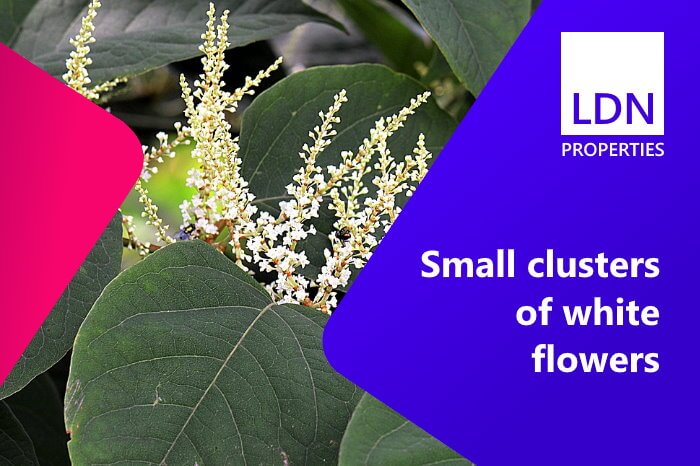
Tip 3 – Clusters of white flowers
Tip 4 – Stem appearance
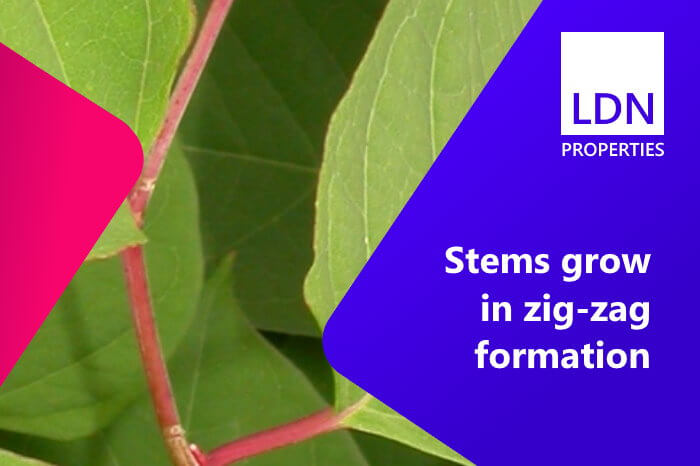
Tip 5 – Stem growth of knotweed
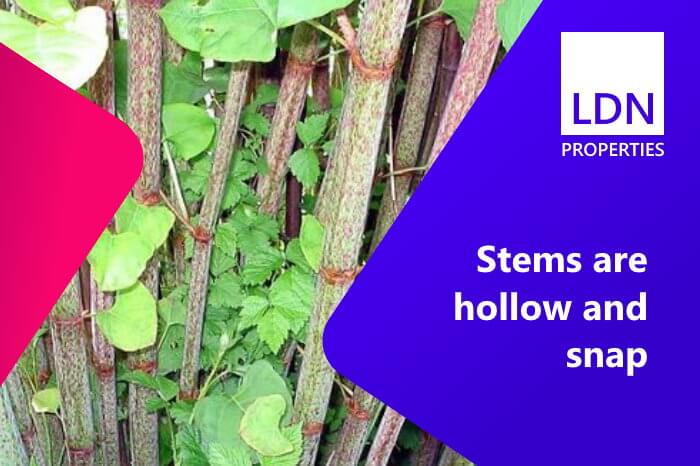
Should you treat Japanese knotweed before selling your property?
There are more than a dozen different tactics for treating Japanese knotweed that include using herbicides and other measures, according to The Conversation.
If you’re owner of a leasehold or freehold home that is suffering from Japanese knotweed, you might be interested in potentially eradicating the weed before trying to find a buyer. Doing so has the advantage of hopefully removing a potential major barrier to selling. If you attempt to sell without treating the problem, potential buyers might either lose interest or at least lower their purchase price offer by the amount of money they think it will cost them to fix the issue.
However, treating Japanese knotweed can be a very lengthy and costly process.
It’s also not something that you should attempt to do on your own, because as detailed above, even touching the weed slightly can trigger more growth, making the problem worse. Instead, you will need to hire a professional who is trained in removing Japanese knotweed. They will come to your property and assess the scope of the problem, and then offer you a strategy for removing the weed and hopefully preventing it from being able to return in the future.
Japanese knotweed can be sprayed with herbicide chemicals that will get rid of the problem, but depending on the scale of the infestation this process could take more than a year.
There are businesses that specialise in burning dead Japanese knotweed, because it must be disposed of after it has been removed. A number of restrictions and other regulations apply to the process of treating Japanese knotweed, and that’s why you must hire professionals.
But some homeowners might simply not have the time or money available to treat their Japanese knotweed problem before trying to find a buyer for their property. If that’s your scenario then don’t worry, because there are still ways that you might be able to sell the house or flat. For example, you could get in touch with LDN Properties or another quick buyer that has a history of making fast and fair offers for homes even when they have Japanese knotweed.
Why is Japanese knotweed a problem for my home?
Once the weed is present on your property it can quickly grow and spread, and the larger it gets and more ground it covers, it can destabilise concrete and tarmac. This in turn can create a threat to the stability of your home’s foundations, which can escalate to an expensive problem.
Widespread Japanese knotweed runs the risk of subsidence at your house, and that can create even more time-consuming and expensive faults that you might need to fix before selling. That’s why it’s so important to intervene early if you believe the weed is present at your home.
If you have, or suspect you have, Japanese knotweed on your property then you must disclose its presence. Highlighting how serious the weed is considered is the fact that the Consumer Protection from Unfair Trading Regulations 2008 requires estate agents to tell potential buyers about its presence to avoid misrepresenting a sale. Indeed, if an estate agent were to hide the fact of Japanese knotweed from a buyer, they could ultimately be reported to the National Association of Estate Agents which is the professional body representing estate agency personnel throughout the United Kingdom.
How can I treat Japanese knotweed at my property?
The important first step is to not try treating it yourself, because disturbing the knotweed can make it spread even further. To remove the weed, you should get in touch with a licensed professional who specialises in such work. They will assess your land and confirm whether the weed is present before giving you a plan for treating and removing it. The process for getting rid of Japanese knotweed can be lengthy and involves the use of chemicals to stop its return.

Selling a property with Japanese knotweed – Questions
These are some of the most common questions we’re asked by homeowners who want to sell their property but are concerned about the presence of Japanese knotweed:
No. You have several options for selling, whether or not you treat the weed. You could list the property for auction and hope for a high bid on the auction date, or you might consider trying to sell it through an estate agent, or you may want to work with a property buying company to get a quick cash offer for selling your house or flat.
You should not try to fix the problem yourself, because disturbing the weed can make it worse and cause it to spread quickly. Instead, the best approach is to contact a licensed specialist who knows how to identify and remove Japanese knotweed. They will also use chemicals to prevent the weed from coming back after it’s removed.
This is a question whose answer will depend on your individual circumstances, including your potential budget for paying to remove the weed, and also your timeline for moving out because removal can be a lengthy process. If you have a limited budget or want a fast sale, you could consider trying to sell your home "as is" without treating the weed.
Japanese knotweed is an invasive weed that can spready very quickly and cause damage to the structural integrity of a property. You can identify this weed with a few unique elements, such as having leaves that are heart-shaped, stems that have a zigzag appearance, the presence of small, white clusters of flowers around the leaves, and hollow stems.
Some potential buyers might view a home with Japanese knotweed negatively because of its potential ability to undermine the structural integrity of a leasehold or freehold property. They might have concerns about the future possibility of the Japanese knotweed causing damage to the home, or they might worry about the costs of fixing any damage that has happened.
There is no legal requirement that you treat an existing Japanese knotweed problem at your property before you attempt to sell it. You might find that it’s easier to attract more buyers and with better value offers when you treat the problem before trying to sell the home, but you could still get a fast and fair offer for the house or flat if you sell to a quick home buyer.
Your best option is likely getting in touch with LDN Properties or another quick property buyer, because these companies have extensive experience with purchasing homes that have problems such as Japanese knotweed. Selling this way should only take a handful of weeks, and that includes the time taken to exchange contracts and pay you the proceeds.
If you decide to sell without any assistance or you sell to a legitimate no-fee quick buyer like LDN Properties then you will not have to pay any commission, which helps to keep your selling costs low. If you sell through an auctioneer or estate agent then they will charge you commission that will be subtracted right away from the final sale proceeds.
Ask individual quick home buyers if they are members of a third party entity known as The Property Ombudsman (TPO). This organisation writes rules to guard homeowners against fraud in the quick buying sector, and all TPO members must follow these regulations, which should give you additional peace of mind when selling to one of these companies.
It is free, quick and simple to check if a company is genuinely registered with TPO – just visit the organisation’s website and then click on the Find a Member tab and type in the name of a specific company. If they are truly registered, like LDN Properties, then you’ll see their membership details, but you will get no results if they are not a legitimate TPO member.
Other Japanese knotweed resources
- UK Government guidance on invasive plant species
- Further help identifying Japanese knotweed from the RHS
- Guide to selling property with Japanese knotweed from Auction Link
- Newspaper article on discovery of new type of invasive species
- Local council guidance on Japanese knotweed
Selling your home is possible even when Japanese knotweed is present
At LDN Properties, our friendly team of experts has many years of experience working with homeowners looking to sell their house with Japanese knotweed.