
Quick navigation
Flooding can create the potential for severe damage at homes throughout the UK, not just those located close to the sea or other sources of water. If you own a property that has been damaged during a flood, you’ll have to decide whether to invest in repairing the home before you sell it. The guide below offers advice on whether that’s the right approach for your circumstances, as well as advice on how to quickly find a buyer for your home even without fixing the damage.
- Flooding is a concern when selling your house in the UK
- The potential damage that flooding can cause to a house
- Flood insurance can help cover some damages from flooding
- Ways that you could protect your house from flooding
- Buyers might look less favourably on a home with flood damage
- Decide whether to remediate flood damage before selling
- Options for selling your flood damaged house
- Questions and answers about selling a flood damaged home
Flooding is a concern when selling your house in the UK
Almost any property in the UK has some level of threat from flooding, because anywhere that rain can fall could potentially become a flood zone. Even though the possibility of your home being damaged by flooding might vary, those houses and flats situated in flood zones are significantly more likely to suffer major damage in the event that a flood happens.
Flood zones include those parts of the UK that are considered at a highly increased risk of property damage in the event of a flood, which can cost homeowners heavily. These areas can evolve over time, affected by factors such as climate change and building development, so just because your home might currently be located within a flood zone does not mean it will always be defined as within one.
The UK government’s website offers a service where you can check for flooding including the ability to see current flood alerts or warnings, review recent sea, groundwater, river and rainfall levels, and learn about a particular area’s potential flooding risk over the next five days to see if your property will be affected.
Flood zones are defined by the Environment Agency, or EA, to assist primarily with the planning of new property development, because certain types of construction are not allowed in higher-risk flooding areas as they might contribute to the problem. The EA ranks flood zones from 1 through 3 and the agency makes sure to keep the definitions updated on a regular basis.
Flood Zone 1 areas have the lowest potential for flooding, at less than 0.1 percent probability in a given year. These locations have the minimal amount of limitations on new development.
Flood Zone 2 areas have an annual risk of flooding between 0.1 percent and 1 percent from rivers, or 0.1 percent to 0.5 percent risk of flooding from the sea in a given year. Properties planned for such areas much conduct flood risk assessments, and there are some restrictions on the specific types of buildings that can be constructed within these locations.
Flood Zone 3 represents the areas at greatest risk of flooding, defined as being either in Flood Zone 3a or 3b. Flood Zone 3a covers those locations which are at 1 percent or more risk of flooding from rivers and 0.5 percent or higher threat of flooding from the sea. Anyone planning to build property in these areas must perform an assessment of flood risks, and work to identify possible measures that could help to mitigate the increased risk of flooding. Flood Zone 3b covers areas at the highest possible risk of flooding, generally 5 percent or greater in a year. As a result, Flood Zone 3b has the most restrictions on the development that can occur.
The potential damage that flooding can cause to a house
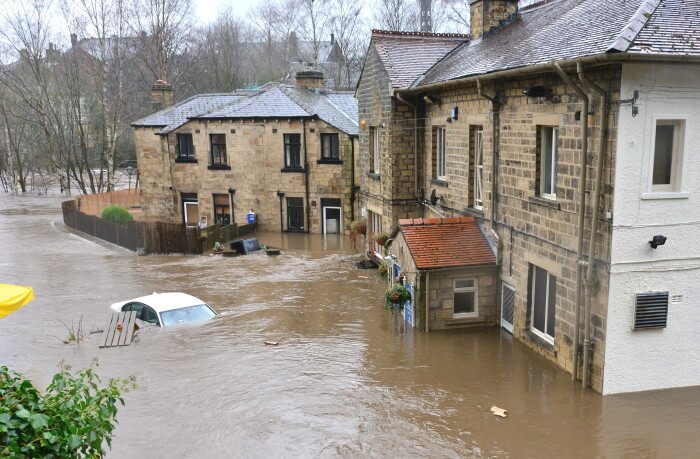
If you own a house, flat or other property that’s located in a flood zone then your home might be at increased risk of flooding throughout the year, and that damage can quickly become very expensive. This in turn can significantly ramp up the costs associated with selling your home and that’s why it’s important to fully understand your property’s risk of flooding, and what to do to reduce the threat.
Flooding can destroy the ground floor of a property, including many personal belongings, electronics, flooring and more. The repair work can cost many thousands of pounds in some circumstances, and potentially lower the value of your home significantly, according to a recent article by the online news service Property Reporter. The article also notes that severe flood damage could keep you out of your home for up to nine months on average.
The EA’s designation of flood zones shows that several million properties throughout the UK are at potential risk of flooding, not just those located close to waterbodies such as the sea. Flooding can also happen through surface water, reservoirs, sewer flooding and groundwater, meaning almost any house or flat in the country could be damaged during a flood.
Flood insurance can help cover some damages from flooding
Standard property insurance policies can include some coverage for flooding damage, although this is usually limited to covering the costs of physical damage to the house or flat and does not extend to also cover the costs of any furniture or other possessions that you lose in a flood.
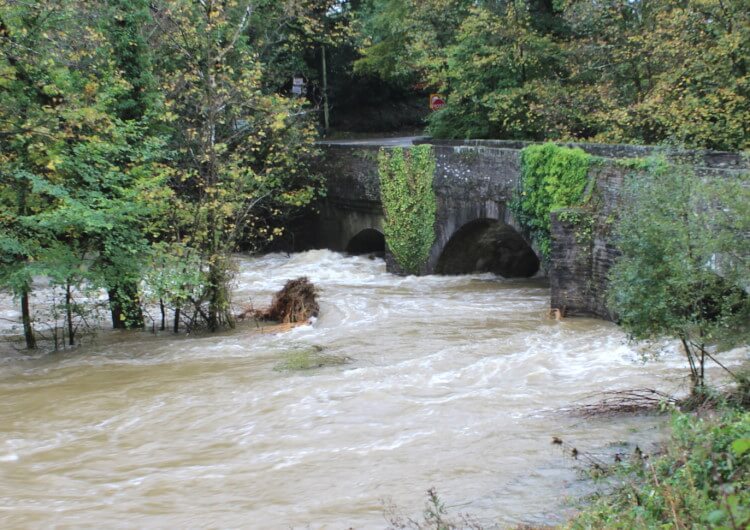
Flood insurance coverage can include damage resulting from rivers overflowing or bursting their banks, floods from sea water rises due to storms or high tides, groundwater or surface water flood that is due to burst pipes or heavy rainfall, and other types of flooding.
The more at risk your property is of flooding, the higher the rate you can expect to pay for flood insurance. In certain extreme risk areas, it might be difficult to find an insurance company willing to issue you a policy for property damage because of the high likelihood of flooding. This unfortunately means you would be stuck with the full costs of any flooding damage that occurs.
For certain houses in areas at greater risk of flooding, insurance companies might ask you to contact the EA to get an “Insurance-Linked Request Letter” that includes important information on flooding, such as previous dates when floods occurred in the area where your home is located, any upcoming projects designed to reduce the flooding risk, and more.
Some observers are making the case for insurance policies to not only cover the costs of fixing damage caused by flooding, but also the pay for mitigation efforts that could reduce the risk of catastrophic harm to a property from future floods. A recent article by Property Week notes that such work could be potentially beneficial to older properties that tend not to have measures in place to protect against flooding damage. If you want to find out more about when your property was built, be sure to read our guide.
Ways that you could protect your house from flooding
No matter the level of flooding threat that your home faces, there are some steps you can take that could help to reduce the damage to your property in the event of a flood.
The HomeOwners Alliance, which represents the interests of UK property owners, notes that it’s all but impossible to create 100 percent protection against any damage resulting from a flood. But pursuing some mitigation measures can still help to potentially reduce the scale of the damage that might occur, which in turn would lower the repair costs by a large amount.
Low-cost and minimal-effort steps you can take include buying sandbags, varnishing any wooden skirting boards in your home, install valves on pipes and drains to prevent sewage returning backward into the property, purchasing covers for air bricks in order to stop floodwater entering your home, moving personal items and appliances to higher ground, and having sealable large bags to cover larger items such as sofas when a flood is starting.
Other approaches you might want to consider to protect a property against flooding damage will cost more money, potentially thousands of pounds, and will also require a lot more of your time. These range from elaborate changes like relocating electrical sockets to higher levels through to sealing your home’s exterior walls or landscaping your garden in such a way that it drives excess water away from your property during a flood. Of course, whether you can afford to invest in the time and money for such measures will depend on your unique situation.
Buyers might look less favourably on a home with flood damage
Some of the flood mitigation steps highlighted in the previous section of this guide could potentially add value to your home, which might increase the number of people interested in buying it. But if flooding has already caused some damage to the house then the outcome will be quite different.
Many buyers are likely to consider a house with flooding damage to be less desirable than a home that hasn’t suffered such harm. Properties located within the higher-risk flood zones as defined by the EA might also be deemed less attractive to prospective buyers, because they will be wary about the potential for property damage and the costs of expensive flood insurance. As a result, you should be prepared for your home to possibly receive less interest from aspiring homeowners compared to a house or flat in a low-risk flood zone with zero existing damage.
Decide whether to remediate flood damage before selling
You cannot do anything about the location of your home if it’s in a higher-risk flood zone, but you do have the power as a homeowner to decide whether you want to try spending time and money to fix flooding damage at your property before you attempt to find a buyer for it.
Investing in repair work could potentially cost you thousands of pounds, and also require many months before the home is ready to put on the market. But the upshot of putting in this effort is that the flood damage will ultimately be remediated and therefore not an issue that affects your property’s value, making it more likely you can find a buyer at a much higher price.
Or you could decide that you don’t have the time, or money, or both to fix whatever damage your property has suffered as the result of flooding and instead will try to sell the home in its current condition. You have to be prepared for the fact that this is likely to reduce the potential sale price of your property. That’s because buyers will have to be made aware of the damage, and they will know that they have some potentially very expensive repair work to do if they end up buying your house. Buyers will usually want to subtract at least this amount from your home’s sale value, and there’s little that you can do to counter this request in this case.
There’s no right or wrong answer to whether you should fix the flood damage at your home before selling. Put together an honest budget for your sale and assess whether you can afford the time and money to repair the damage before finding a buyer. If it’s simply not something you can do, there’s no shame in selling your property without paying to fix the damage, you just have to be prepared that you’ll likely get a lower sale price than a repaired property.
Options for selling your flood damaged house
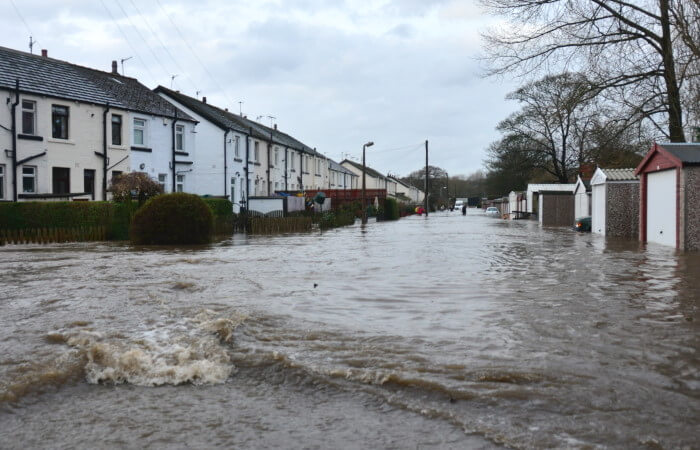
Whether you decide to invest in repairing your flood damaged house or try to sell your house as is without fixing the harm, there are a number of options for how to sell the property. You can use an estate agent, use a property auctioneer, or use a “we buy any property” specialist. Each approach has its own advantages and some of the sale methods also have potential disadvantages.
Deciding which type of sale is the right one for your home will be a highly personal choice that hinges on your own needs, such as how quickly you want to sell your property and how much profit you would like to make. Consider what your house is worth and review the three options below, including their pros and cons, before making a final decision on what’s the best choice for selling your property.
Using an estate agent to sell your flood damaged house
One way to sell your home is getting in touch with an estate agent, who will put together a listing that includes text describing the key features of your home such as the total size, number of bedrooms and more, along with photographs designed to make the interior and exterior of the property look as attractive as possible. They’ll advertise this listing in their offices, online, in local newspapers and elsewhere in order to hopefully generate interest from potential buyers.
If someone wants to see your property, the estate agent will take them on a viewing where they’ll tour the inside and outside of the home. Some homeowners find this part of the selling process to be intrusive, time-consuming and inconvenient. But the fact that the estate agent, and not the homeowner, is responsible for the viewings reduces your workload.
Just remember that it can take many months, or possibly even more than a full year, to get a serious offer from a buyer when selling this way. And you will have to pay the estate agent commission for their work, which will reduce your overall net profit from the sale.
The estate agent will have to include details on the flood damage in their listing, and prospective buyers will also want to see the damage in person when they are on viewings. Be prepared for some people to make offers for buying your home that are below whatever asking price you and the estate agent have decided, because the person making the offer will be including in their calculation the costs that they face in fixing the damage once they buy your home.
You should ask any estate agent that you’re interested in using whether they know how to sell homes that are damaged from flooding, including any proof that they’ve managed to find buyers for such properties in the past. Some estate agents might not know how to market properties with flood damage, and poor advertising could mean even fewer buyers will look at your home.
Using a property auctioneer to sell your flood damaged house
Alternatively, you might want to think about using a property auctioneer for selling your flood damaged home. This works the same way as auctions for personal belongings — you will agree with the auctioneer on a minimum reserve price below which you do not want your home to sell.
The auctioneer will then seek bids from potential buyers, and when they say “going, going, gone” and lower their gavel, the auction is over. If you receive no bids, your home does not sell. Your goal is to have many people interested in purchasing your property, so that they keep trying to outbid each other by offering more money for your home, which in turn could generate a nice profit for you. However, you might only get one bid at your reserve price, so be sure that you set that value at a level where you will still make a profit even after paying the auctioneer their commission. You don’t want a situation where you sell your home but actually make a loss.
You can expect to pay commission based on your property’s final sale value plus VAT, although this can be higher or lower depending on the particular auction house. Some companies might let you pay these costs on to the winning high bidder, so ask whether this is a possibility. But if you have to pay fees, this will lower the total sale profit that you can make.
The pace of selling a home through this method can fluctuate, but you can expect a wait of at least a few weeks between the date on which you list your home for sale in an auction and when the sale itself takes place. If you successfully sell your property, you will have to wait an average of 28 days for the buyer to complete all of the steps for finalising the sale.
It’s also important that you ask an auctioneer whether they have any experience with selling a flood damaged property. Some auction houses only know how to sell certain types of freehold or leasehold homes, and might have never successfully sold a property with flood damage. If that’s the case, the auctioneer could struggle to generate any interest in your home from bidders. And if you receive no bids on your home, it is considered to have not sold, and you will have to start over with the entire process of deciding on how to best sell your property.
Using a fast property buyer to sell your flood damaged house
A fast way to sell your flood damaged house is contacting a quick property buyer, such as LDN Properties. We launched in 2003 and give homeowners throughout London a streamlined, straightforward and hassle-free method for receiving competitive and speedy offers for selling their homes.
Our team can consider buying almost any type, age, condition, shape and size of leasehold or freehold property, and we have experience with purchasing flood damaged homes. The long list of other properties that we have bought over the years also includes houses of multiple occupancy, homes with dry rot, flats with cladding, properties situated in noisy areas such as under airport flight paths or near busy railway stations, houses where the invasive species Japanese knotweed is present in the gardens, flats that currently have tenants who have a long time left on their rental agreements, dilapidated properties, plots of land, and more. That means we are more than happy to discuss buying a house that has flood damage, regardless of the extent of the problem or whether you have taken any steps to try and repair the damage.
We can typically finalise the purchase of your property within a handful of weeks, which we think is often faster than using other methods of selling such as a home auction or an estate agent. And that brief timeline includes completing every step of the process, such as exchanging contracts, finishing all of the required legal paperwork, and paying owners their proceeds. If your number one priority with selling is doing so quickly, a fast buyer is a great choice for you.
And we promise that you will never pay any fees when you sell your home to LDN Properties, because our philosophy has always been that homeowners deserve to keep all of the proceeds from selling their houses or flats. We think that this compares favourably to using estate agents or auctioneers, because they will charge you commission, which will reduce the total amount of profit that you can expect to make from the sale.
If you would like to sell your home to LDN Properties, get in touch with our friendly team of experts and within the first hour of talking we should be able to make an initial offer for buying your home. There’s no pressure to accept it immediately, as you’ll have a week to consider it.
Should you want to go ahead with the sale, we will then have one of our representatives visit your property. This not only gives us a chance to assess your home in person before making a final offer, but it also lets you ask them any questions you still have about the sale.
And if you accept our final offer, we will get in touch with your solicitor so that we can swiftly complete the final steps of the process of buying your home. There’s very little work that you will have to do throughout the sale, making it a simple and stress-free way to find a buyer.
Frequently asked questions about selling a flood damaged house
Homeowners considering selling their properties quickly often have many questions for us, ranging from the extra costs when selling through to selling a home in poor condition. Here are some of the key questions and answers we’re asked about selling a flood damaged property:
Your questions answered when selling a flood damaged property
The UK government’s Environment Agency has a website that provides details on the flooding risks facing different parts of the country, with the highest risk areas subject to the most stringent restrictions on new property construction. Knowing the severity of flooding risk that your home faces can help you decide whether to invest in strict mitigation measures.
Not usually. You can typically expect your property insurance to cover the costs of physical work to remediate any structural harm that flooding causes to your property, but it usually does not extend to also pay for damage to any personal items, appliances, and other belongings. You can also expect to pay higher insurance premiums in areas more prone to flooding.
No. You can decide to sell your flood damaged house as is without fixing the harm, but you should know that this will likely reduce the value and sale price of your property significantly. Or you could choose to spend time and money to repair any damage that might have been caused to your home from a flood, but this might not be possible depending on your budget.
No. Some methods of selling your home, such as using a property auctioneer or an estate agent, will charge you commission that you’ll have to subtract from the total amount of profit you can make from the sale. But if you sell your house or flat to a quick buyer such as LDN Properties then you will pay zero fees and get to keep all of the proceeds from the sale.
Fast home buyers are usually able to complete the purchase of a home in just a few short weeks, and that includes the time it takes to exchange contracts and pay owners their proceeds. By contrast, it can take a least two months to sell your home via an auctioneer, and you might be waiting many months or even longer than a year to find a buyer through an estate agent.
Not necessarily, because there are some relatively low-cost measures you can take in order to reduce the potential damage that might happen to your house during a flood. Such steps include buying sandbags or varnishing wooden skirting boards. Other larger-scale efforts will cost much more money, such as relocating electrical outlets to higher positions.
Yes. When you sell a house, you have to complete what’s known as a Seller’s Property Information Form that includes detailed historical information about your home — including whether it has suffered any flooding damage in the past. You must provide as much truthful information as possible, including whether it currently has damage from flooding.