
Quick Navigation
An “as is” property is one that might have a structural flaw or other negative issue that a potential buyer might consider to be a problem. It can sometimes be more difficult to sell this kind of home than one where the seller has remediated the problem, but it’s not impossible. The guide below offers advice on how to sell an “as is” property profitably and quickly.
- What does it mean to sell a house or flat “as is”?
- Is it legal to sell a problem property in its current state?
- Benefits of finding a buyer for your home “as is”
- Drawbacks of trying to sell your property as is
- What to tell potential buyers when selling a home
- Choosing the right method for selling your “as is” property
- Frequently asked questions about selling a home “as is”
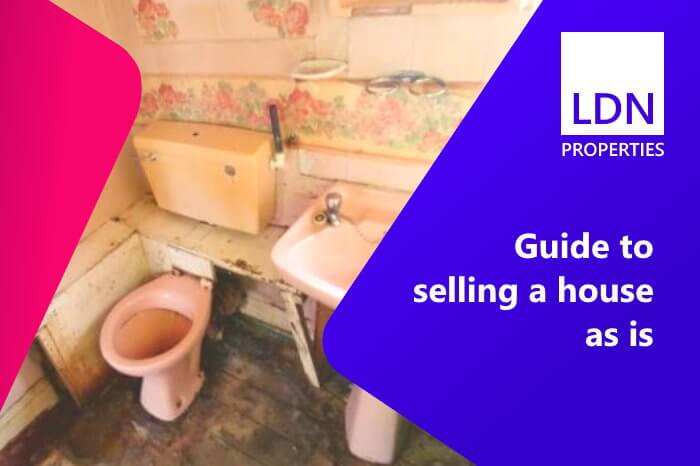
What does it mean to sell a house or flat “as is”?
Regardless of whether a house or flat is a freehold or leasehold property, if you attempt to sell it without making any physical improvements or repairs, or have no openness to negotiating the asking price, then buyers will consider you to be selling the home “as is” without any changes. Selling a house “as is” is discussed further in this Build Review article.
This definition can be very general and there are no regulations or laws through which the UK government has established what qualifies and what does not qualify for being considered an “as is” property, and it cover many different issues that might exist with your home.
For example, you could be selling your house with high levels of radon in your home, and some owners might try to invest in corrective work to lower the radon levels before trying to find a buyer. But anyone selling “as is” would simply put the property on the market without pursuing such work.
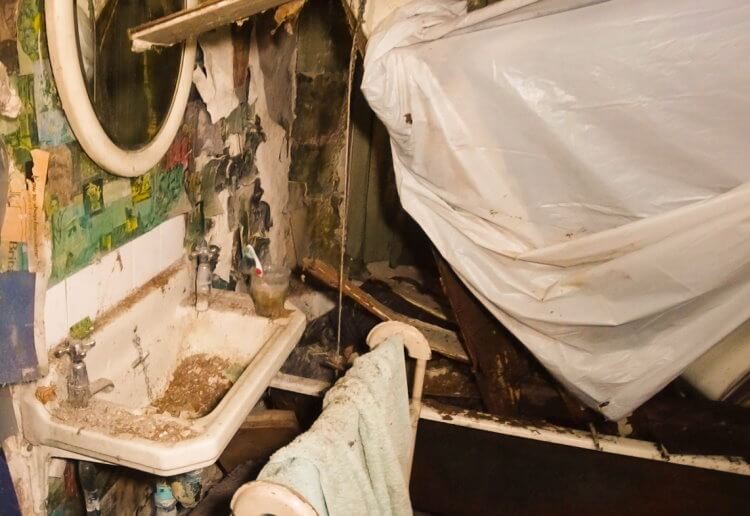
Or your home could have a physical problem that could be large or small, and you decide to list the flat or house for sale with no plans to invest time and money in fixing the issue. Situations where this could apply might include homes with the presence of the invasive weed Japanese knotweed in the garden, subsidence, damp, dry rot and many other structural issues.
Yet another way that you might sell a property “as is” could be if there is another non-physical feature of your home that a buyer might not like, and that you could potentially address but choose not to. One instance where this may occur is if you own a house close to unsightly power lines at the end of your garden, and the sight of those structures is making people lose interest in purchasing the property. A solution could be to pay for installing trees to block out the view of the power lines to overcome such concerns. If you instead decided against such a project and tried to find a buyer without making any changes, that would be selling as is.
If you are thinking of selling your house or flat, be sure to also read our 7 top tips for selling a property As is.
Is it legal to sell a problem property in its current state?
If your home is currently suffering from some kind of physical flaw, then it might be considered to be a problem property that can be harder to attract buyers. And some sellers might wonder if they are required to first fix whatever the problem is before then list their house or flat for sale.
Thankfully, there are no legal requirements that force homeowners to pay for correcting structural damage or any other kind of physical issue with a flat or house as a precondition for trying to find a buyer for it. Nor do you have to invest in planting trees to cover up nearby mobile masts or other structures that some potential buyers could consider unsightly and a detriment to the property, it’s perfectly to try selling such a home without making any changes to it.
But it’s also important to know that if you don’t spend any time or money to correct whatever negative issue currently exists with the home and instead trying selling it “as is”, then it will likely be considered by many potential buyers to be a problem property because of that flaw.
And, as explained later in this guide, it’s important that you disclose any structural problems or other issues with the property to potential buyers, because you could be creating significant legal liability for yourself if you do not. If someone purchases your home without being told about an issue like dry rot, they can sue you if they uncover the problem after moving in.
Benefits of finding a buyer for your home “as is”
Even though “as is” homes are often problem properties that are suffering from a structural flaw or some other issue, there are still some benefits to owning such a home from a potential buyer’s perspective that are important for you to consider when deciding when to sell.
Save on time and money
Perhaps the biggest pro of selling your home in its current state is that you won’t have to spend any time or money with fixing whatever problem the home might have.
And in certain situations that can be a very sizable amount of cash. Remediating problems like widespread subsidence or an extensive amount of the invasive Japanese knotweed in the garden can require a lot of resources, and by selling the home without correcting these issues, you can conserve that time and money, saving that to use on future projects.
Quickly resolve a financial problem
There are many reasons why people want to sell their properties, and financial issues are among the most common. For example, someone might want to find a buyer for their property in order to prevent repossession of the existing home and still leave them with enough funds for buying their next home. By selling your property “as is” you can accelerate the process, and hopefully find a buyer much quicker than if you had waited to resolve any problems.
Solving emotional situations fast
Similarly, another explanation for someone wanting to quickly sell their home is dealing with a highly emotional personal situation such as a divorce. In such cases, you and your divorcing partner will likely want to sell the home as fast as possible so that you can move into your new separate properties, and listing the property immediately “as is” can make a sale faster.
Drawbacks of trying to sell your property as is
Although there are some advantages for buyers with an "as is" home, there are also a number of potential drawbacks that you should know about before trying to sell your property.
Possibility of receiving fewer offers on our home
Because many "as is" homes have features that some buyers could consider to be negative, it’s possible that you might not receive as many offers as a home that doesn’t have the same problem. This is something you should be prepared for as soon as you decide to sell your property in its current condition, because some people simply don’t want to buy a home that they know will require them to spend money and time in the future to address a flaw.
However, don’t be discouraged by the potential for receiving fewer offers, because there are some methods of selling that can make this drawback almost irrelevant. For example, selling your property to a fast buyer like LDN Properties allows you to deal with just one entity, and it can provide you with a quick and stress-free way to get a decent offer for your "as is" home.
May take longer to sell your property "as is"
Some owners of properties that are sold "as is" say that it can take much longer to find a buyer, because of hesitancy by some people who won’t be interested in investing the time, money or other resources in correcting whatever problem exists with the house or flat if they own it. As a result, it can sometimes take longer to find a serious offer when selling such a property.
But just as it’s possible to find a decent price offer from some buyers for an "as is" home, it also doesn’t have to take long to sell such a property. Certain methods of selling, such as using a quick home buyer, can result in you completing the entire process within a handful of weeks, which is much speedier than the typical timeline for selling a conventional flat or house.
Potentially having to accept a lower sale price
You might also have to accept a lower selling price for your property compared to a similar home where the owner has pursued corrective work to address whatever structural issue or other problem you are opting to leave in place when trying to find a buyer. That’s because some buyers will think ahead to the money that they will have to invest to fix whatever the flaw is, and they typically want the current homeowner to reduce the asking price by at least that amount.
What to tell potential buyers when selling a home
When you’re ready to sell your home “as is,” it’s important that you be honest with buyers about any potential problems that the property might have, as discussed in the Which article. Although you’re not under any duty to fix such issues, you are required by statute to disclose structural flaws and other issues.
If you are aware of any flaws with the house or flat, such as extensive dry rot, then you could face significant legal liability if you try to obscure this fact from a buyer and they later discover the problem. They could sue you for not disclosing the information, and you may face potentially significant financial penalties as a result, so you should always tell the truth when selling.
There are laws and regulations in place in the UK that are designed to prevent sellers from lying or withholding important negative information about a property, with the goal of ensuring that buyers are not deceived into purchasing a home they might not have bought if they knew about the problem in advance. No matter the scale of the issue, you must disclose it to a potential buyer, whether it’s a small amount of asbestos in your garage or widespread structural problems. Not doing so may create legal liability for you if someone buys the home, finds out about the issue, and then decides to sue you.
Of course, when selling your property, just as you should disclose any negative aspects, you should also tout the many benefits of the home that help to explain why you liked owning it.
Even if it has some flaws, perhaps your property has a huge garden that is unrivalled in the immediate neighbourhood. Or maybe it has many bedrooms and bathrooms, and that’s exactly what a buyer is looking for. Try to find and highlight the various beneficial aspects of the house or flat, because these might help to offset any flaws that currently make it an "as is" home.
Choosing the right method for selling your “as is” property
When you’re prepared to sell your “as is” property, you will have to decide on which method you’d like to use for finding a buyer.
There are generally four common options for trying to sell your home: doing so on your own, using an estate agent, using an auctioneer, or using a quick property buyer. Each method has its own advantages, although a few of these approaches also have some significant cons.
Browse the merits of each method below and make an informed decision about which choice is right for selling your home, accounting for your specific needs, such as how quickly you need to secure a sale, how much profit you hope to make, whether you want to pay any fees, and more. Your goal should be on finding the simplest, least stressful and best option for your situation.
Selling your “as is” home on your own
Perhaps the most stressful way of selling is to do so on your own, because you will be responsible for every step of the process. This includes creating a listing for your home, which features photographs of the interior and exterior as well as text descriptions of its main features, such as how many bedrooms and bathrooms it has. You will then have to decide where to advertise this listing, for example in local newspapers, and pay for that marketing.
You will also be required to organise and host viewings for potential buyers, where they get to tour the interior and exterior of your home before deciding whether to make a final offer. And you’ll also have to oversee that last stages of the sale, including whether to accept a particular offer, and making sure all of the necessary legal requirements are met for the sale.
This can be a lot of work even for professionals, and for those with zero experience of selling properties it can be overwhelming, stressful and very time-consuming and expensive. You should only consider selling via this method if you have some knowledge of how to sell a home “as is” or if there are friends or family members that have this skill and are willing to help.
Selling your “as is” home using an estate agent
Or you could try to sell your home through an estate agent, who will handle the hard work of developing and advertising a listing for your property, and organising and leading the viewings. This can dramatically reduce your workload with selling, making it much less stressful.
However, there are a few disadvantages of using an estate agent that you should know about. Some estate agents might quote you an elevated sale price for your property, even if they realise they’ll only be able to sell it at a lower price. The overestimated price is designed to lure you into selling your home via a particular estate agent, so that they can claim the commission if your property sells. One way to avoid this is to ask for free price quotes from multiple estate agents, and check the value of homes similar to yours on property sales websites like Zoopla, and then calculate the average of those prices. This should result in a median value that is a more accurate estimate of the viable sale price for your property.
Another drawback of selling this way is that it might be many months, or in certain situations more than an entire year, before you receive a serious buyer from an offer — a long time to wait, particularly for those homeowners that need to sell as quickly as possible.
And depending on whatever problem your home has that you are not fixing and selling “as is”, some estate agents might not know how to sell such a property. For example, if your property has a dry rot issue, you should ask individual estate agents whether they have ever successfully sold such properties at a profit. If they have no history of selling such homes, they might find it difficult to find a buyer for your property and you could be waiting many months.
Selling your “as is” home using an auctioneer
Auctioning your home is another option, and auction houses will take on the work of producing and advertising a listing for your home. They will sell it either via the traditional method, where people gather on a specific day to place bids on your property, or via the modern method, where your listing will be open to bids 24 hours a day, seven days a week, for a set amount of time.
Either way, your goal is to get several people interesting in your home so that they keep outbidding each other, which will hike the sale price and boost your final profit. It is possible that you won’t get any bids on your property, in which case it is deemed unsold and you will have to start over with trying to find a buyer for your home. Or you might only get a single bid at the reserve price, which is the lowest value at which you’re willing to sell the property. You need to choose a reserve price that will still result in you making a profit on the sale, even after the auctioneer subtracts their commission, otherwise you risk selling your home at a loss.
Selling this way can take some time, as there is usually a wait of at least a month or more for advertising your listing. And even if your home sells at an auction, the buyer will have an average of 28 days to complete all of their required steps for finalising the purchase of your property. This can sometimes be too much time for those homeowners needing a fast sale.
Further, some auctioneers may not be skilled at selling your type of “as is” property, depending on whatever flaw or other issue it might have. That’s why you should always contact individual auction houses to inquire whether about their past success rate with selling homes like yours at a profit. If a specific company tells you that they have never been able to auction off such a house or flat at a profit, you should consider looking at another method for selling your home.
Selling your “as is” home using a quick property buyer
Another option for selling your “as is” home is contacting LDN Properties or another quick home buyer. These companies have the financial ability to purchase your flat or house immediately, and they don’t have to wait several months or longer to get approval for a mortgage to buy your home. This means they can typically complete the complete process of purchasing your flat or house within a few short weeks, which is often the speediest timeline you can get.
The trustworthy quick home buying companies also never charge any commission or other fees to homeowners. This means you are guaranteed to receive your full sale profit from whatever price they offer for your property, which is great if your goal is to maximise the money you make. Compare that to the often large commission that estate agents and auctioneers will charge you, which will have to be deducted from the sale proceeds and therefore reduce your sale profit.
And fast property buyers can also consider buying practically any type of property, regardless of whether it’s freehold or leasehold, and no matter its age, size, condition, type or shape. The lengthy and varied list of properties that LDN Properties has experience with buying quickly since launching in 2003 includes houses with high levels of radon, flats with cladding, homes with septic tanks, properties located close to railway lines, flats that have very short leases remaining, houses where the owner has lost the title deeds, dilapidated homes, and more.
Honest fast home buyers are also registered with The Property Ombudsman (TPO), a third party entity that writes regulations which are crafted to shield homeowners from possible fraud in the quick buying sector. LDN Properties and other legitimate TPO members must adhere to those rules, which helps to give sellers extra security when selling your “as is” home.
It’s advised that you never sell your home to a fast buyer that either refuses to join TPO outright or that claims to be a TPO member but cannot prove its membership status, because either situation might be a scam. Thankfully, checking the validity of a company’s membership is fast, free and simple. Just visit TPO’s website and click on the “Find a Member” tab on the left side of the main page, then when prompted enter the name of a specific quick buying company. If they’re truly registered with the organisation then you should be able to see their membership details. Be wary of any quick buyer that tells you it is registered with TPO but that does not appear on the entity’s website.
Top questions and answers when selling a house as is
If you’re thinking of selling your home quickly you may have a number of questions for us, ranging from what condition does your home need to be in before selling through to selling a home in bad condition. Here are some of the main questions we’re often asked about selling a property as is:
Your top questions when Selling a House As Is
There’s no single legal definition for an as is home, but generally it refers to a property that has some potential issue that could be fixed before sale that the owner does not address before trying to find a buyer – anything from a structural problem such as subsidence through to a visual issue being located close to power lines that you could obscure by planting trees.
Yes, you cannot be penalised for trying to sell your home as is without first addressing whatever flaw it might have that could be dissuading some buyers from making an offer. Although this can help to save you time and money, you need to be aware that selling your home as is might reduce the number of people interested in buying it at the current price.
This depends on your individual wants and needs when selling your property, because not everyone has the time and money available for the corrective work that might have to be done a home. If you decide to sell your house or flat as is then you will not have to spend money on any corrective action, but you might have to accept a lower sale price as a trade-off.
Yes. The UK government has rules and laws in place that require homeowners to disclose any problems with their house or flat when trying to find a buyer. There are serious legal consequences for lying about or withholding information about a property’s problems, because a buyer can sue you if they purchase the home and learn that you hid these issues from them.
Generally, using a fast buyer like LDN Properties is the speediest option because they should be able to complete all of the steps of buying your home in just a few short weeks. When you sell via an auction it will take at least a few months for the entire process. And selling via an estate agent often lasts for many months, and more than a year in certain situations.
No. If you sell your as is home using an estate agent then you will have to pay commission usually based as a percentage of your property’s sale. But quick home buyers will never charge you any commission, so you’re guaranteed to receive the full sale proceeds.
Because the legitimate fast buyers, such as LDN Properties, belong to an organisation known as The Property Ombudsman (TPO). This independent entity publishes policies which are crafted to protect homeowners against scams in the fast buying industry. All TPO members must closely follow those policies, which should give you peace of mind when selling.