
Quick navigation
If you are looking to sell your freehold or leasehold house or flat “As Is” this means you’re prepared to find a buyer without investing in any work to possibly improve the value of the property, or to repair any negative issues it might have. Below you’ll feel some useful advice on the 7 best steps to pursue for hopefully increasing your odds of securing a fast sale.
- Which situations qualify for selling a property As Is?
- Is it legal to sell a home As Is without any changes?
- Pros and cons of attempting to sell a property As Is
- Top 7 tips when selling your home As Is
- Your choices when trying to sell a house or flat As Is
- Top queries and answers on selling a home As Is

Which situations qualify for selling a property “As Is”?
There are two typical situations in which the owner of a freehold or leasehold property tries to sell the home “as is” – meaning they will not invest in making any changes to the flat or house before trying to find a buyer.
The first, and most common situation this refers to, is when the property has some type of physical problem that might make it harder to find a buyer, but the owner either cannot or does not want to fix the issue before selling. This can many different scenarios, including homes with bad roofs, flats with dry rot, properties suffering from subsidence, houses that have poor Energy Performance Certificate grades, flats with cladding, and many other varied types of flaws.
The second situation in which you will be trying to sell a home in its current state without making any changes can be when there are no major issues with the property, but you opt against pursuing any improvements to it such as renovating the kitchen or building an extension that may increase the sale value.
Regardless of the reason for why you want to sell your property in its existing condition, there are still some low-cost or free measures to pursue that could help to make it appear more valuable to buyers, who in turn might be willing to make higher value offers to buy it. This guide details those tips, and provides advice on how to best obtain a speedy sale.
Is it legal to sell a home “As Is” without any changes?
Even if your house or flat is a problem property or has a major structural problem, there’s nothing prohibiting you from trying to sell it as is, and you may find in many circumstances that people will still be interested in buying it.
However, you will be required to disclose any problem that your home has when talking with potential buyers – see guidance from Citizens Advice. That’s because you’re mandated to law to share any negative aspects of the property, for example extensive subsidence, to a buyer so that they can make a fully informed decision about whether or not they would like to make an offer on the home.
In the event that you hide a structural problem from a buyer, they purchase the property, and they discover the issue later, they could pursue legal action against you for not disclosing this information during the selling process. And if they succeed with their litigation, you could face significant penalties, so it’s important to always tell the truth when selling a flat or house. That’s why it’s vital to simply be honest and upfront with buyers about only issues with the home.
Pros and cons of attempting to sell a property “As Is”
As with trying to sell any type of property, there are pros and cons associated with trying to find a buyer for a home that has any kind of negative issue that you either can’t or choose not to affix before you proceed to selling.
Knowing about these benefits and drawbacks may be helpful in talking with buyers about the property, because you could either try to address some of the negative issues that they raise, or you can talk up the advantages of the home in order to hopefully make a sale more likely.
Pro: Quick resolution – if you’re selling because of a personal situation like a divorce, you might be able to sell the home faster “as is” and therefore resolve the scenario faster.
Con: Longer selling time – you should still be prepared, however, for selling an “as is” home to take longer than properties that do not also have whatever flaw your house or flat has.
Pro: Save money and time – selling a home “as is” means you won’t have to worry about spending possibly large amounts of time and money on correcting the property’s problems.
Con: Lower sale price – you might find that buyers are looking to make reduced price offers for purchasing your property because of whatever problem it has, which can lower your sale profit.
Pro: Help your finances fast – for those people who are trying to sell their home as fast as feasible to generate money to solve a financial issue, selling “as is” can sometimes be speedy.
Con: Getting fewer offers – although some “as is” properties may receive many offers, you should also be prepared to get less interest from buyers compared to non-problem homes.
Top 7 tips when selling your home As Is
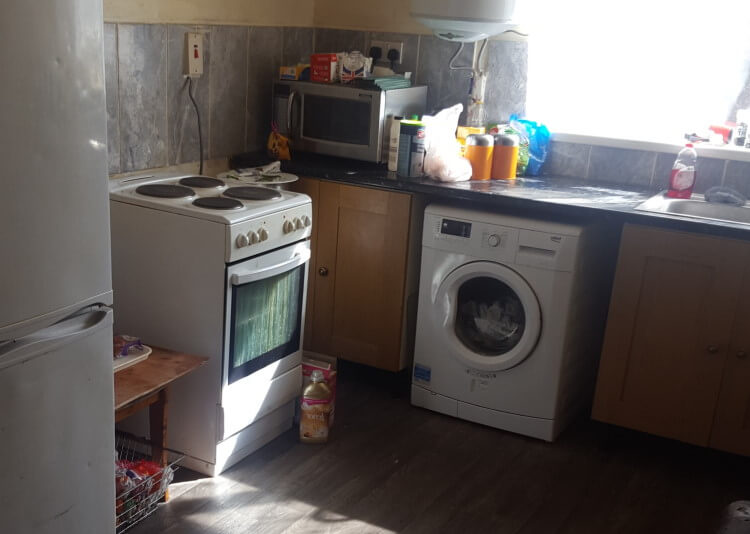
No matter the reason why your home might be considered an “as is” property – whether that’s a structural flaw, a problem like the lack of planning permission, or just a desire to find a buyer without investing in improvements – there are steps to take that can make a sale easier.
Many of these tasks will just require a little time and effort, and all of them are designed to hopefully increase your prospects of finding a buyer quickly. And you don’t have to apply every single one of these tasks, but browse the list below and you should be able to find at least a few helpful hints that might assist with making the sale of your home easier.
1. Tell buyers the truth about your home
As described in an earlier section of this guide, it’s vital that you be honest with any potential buyers about structural problems or other negative issues with your home. Failure to disclose flaws will only create greater consequences for you later.
2. Have your house or flat inspected
One way to uncover any potential problems with your house or flat, even those you might not know about, is to get a third party to inspect the home. This can help to uncover any structural flaws or other issues that buyers deserve to know about.
3. Tidy up any garden or outside area
If your home has any kind of yard, garden or other outside area, be sure to tidy it up before buyers come to see the home. This means repairing any broken windows or roof tiles, mowing the garden, removing weeds and otherwise make it look its best.
4. Remove clutter from your rooms
Properties that have a large amount of furniture and personal items in each room can seem very cluttered, which makes the home seem more cramped and less valuable. Try to streamline the look of your rooms as much as possible for potential buyers.
5. Choose a reasonable asking price
As outlined earlier in this guide, “as is” homes are sometimes more attractive to potential buyers because they hope to purchase at a lower price than the market average. If your home has a major flaw, be honest with yourself about how much it could sell for.
6. Contact a quick property buyer
Fast home buying companies will make competitive and swift offers to buy almost any kind of property, including those that have structural problems. This can be a great way to sell your home fast, because the typical sale takes just a handful of weeks.
7. Consider making some minor fixes
Although selling a home “as is” typically means doing so without making any changes to it, you can think about spending a small amount of time, money and effort on minor issues, such as replacing a missing roof tile, to make your home seem more valuable.
Your choices when trying to sell a house or flat "as is"
One of the most crucial decisions you will have to make when selling your "as is" property is the method that you’d like to pursue for finding a buyer. In addition, you will need to consider if house prices are likely to rise or fall – see article from The Independent for more details.
To assist in the process, compare the four methods below against a budget that you will develop for selling your home that includes key facts and figures such as the amount of commission that you’re willing to pay, how long you can wait before getting a serious offer from a buyer, whether or not you can accept having many people tour the property, and more. See which of the approaches appears to be the best fit for your particular needs and wants.
When selling, the choices are usually between selling at an auction, selling to a quick home buyer, selling via an estate agent, or selling on your own. There are clear benefits to each of the selections, but you’ll also find some rather important drawbacks with a few of the options.
Selling at an auction
One way to sell your "as is" home is through an auction, where people will place bids for the price they want to pay for the property. The highest bid when the auction ends is deemed the winner, and this is binding legal agreement to buy your home that either side can sue to enforce. Note that if your home does not receive any bids, it is considered unsold.
It’s crucial that you choose a reserve price for your auction that will still produce a profit from the sale, even after you deduct whatever fees the auctioneer might charge. The reserve price is the lowest amount at which you’re willing to sell the property, so always pick a level that works for you.
Typically, auctioneers will charge as a percentage of the property’s final sale price in fees, although some companies may set higher or lower rates. The commission is subtracted right away from the sale proceeds, which will cut your eventual amount of net profit. You might be able to negotiate with the auctioneer to lower their fees, or have the winning high bidder pay some of these costs, so always ask individual auctioneers if this could be a possibility.
Auctioneers charge these fees to cover the cost of the work that they do in selling your home. They will craft a listing that describes the as is property and features many photographs of the inside and outside, then advertise this listing for a set amount of time – usually many weeks or more. They’ll host the auction, and oversee the final steps to complete a successful sale.
Just note that selling at an auction can take a long time, as there’s a wait of many weeks or months between when you enter the property for sale and when the auction happens, and then an average 28 day wait after a successful auction for the buyer to finish their required steps.
It’s possible that some auctioneers may give the buyer less or more time, or they could be willing to discuss setting a shorter deadline, so it’s always worth inquiring about this.
You should also ask individual auction companies about their success rate with selling your particular type of property "as is" with whatever problem it might have. Auctioneers that have never managed to sell your type of home in the past might also find it difficult to generate any interest from buyers in your property, which means it could fail to receive any bids.
Selling to a quick home buyer
A second way to sell your "as is" flat is house would be contacting a quick home buyer like LDN Properties, a company based in London that since 2003 has given owners a streamlined, no-stress and zero-hassle way to sell their freehold or leasehold houses or flats.
Quick buyers make fair and fast offers to buy almost any age, condition, shape, size or type of property, including "as is" homes. For example, other purchases that LDN Properties has made or considered over the years include lock-up garages, dilapidated homes, flats with extensive storm damage, vandalised houses, properties with septic tanks, homes with asbestos, flats with cladding, houses that are located in high risk flood zones, properties located next to railway lines, and many other varied scenarios.
These companies are called fast buyers because they have the funds available to immediately purchase properties, without having to wait for weeks or months to first get approved for a mortgage that will pay for buying your home. This cuts the timeline for selling to just a handful of weeks, which includes paying you the entire proceeds and also exchanging contracts. As a result, using a quick buyer can often be by far the most rapid way to sell your house or flat.
Another benefit of selling this way is that the honest quick home buyers will never make you pay any fees when purchasing your property. This means that you can count on receiving the full proceeds, compared to other methods of selling that will impose fees, such as selling via an estate agent or auctioneer, whose commission covers their work selling your home.
Selling via an estate agent
The third choice for selling your property "as is" would be using an estate agent. This limits the amount of work that you have to do in finding a buyer, as the estate agent will prepare the listing for your home, advertise it in local newspapers, online, and in their office, organise and often host viewings for potential buyers to tour your home, and field any offers from buyers.
For all of this effort, estate agents will usually make you pay them commission for selling your property. This fee is taken out of the sale proceeds right away, which will lower your net profit.
It’s also not usually the fastest way to sell your house or flat, and it might take a number of months, or more than a full year in certain cases, before you are able to get a serious offer. Therefore, if you are looking for the fastest sale possible you may want to use another method.
Also beware that some estate agents only know how to sell a limited range of properties, and only in excellent condition. They might not have any experience in selling your type of home "as is" and as a result the chances increase that they will struggle to attract any interest in your property. Always check with individual estate agents whether they have successfully found buyers for your type and condition of home before, and avoid those that have not.
For your additional peace of mind, only sell to quick buyers that are registered with The Property Ombudsman – this is an independent entity that publishes regulations to shield owners from scams in the quick buying sector, and all genuine members are required to follow those rules.
Selling on your own
A fourth way to sell your home is on your own, which means you will have to do all of the tasks involved, such as preparing a listing, marketing it, organising and hosting viewings for people to tour the property, and fielding any offers from buyers, hopefully through to completion.
This is a significant undertaking and could require a lot of money, effort and time from you, so only pursue it if you have successfully sold an "as is" property before, or you have a family member or friend with such experience who might be willing to help you out for free. This is not a method of selling you can pursue only in your spare time, and it can be very stressful.
It can also take a long time, and the typical schedule for selling a property without any assistance can often take many months, in some cases more than an entire year. That makes it often the slowest of the four options detailed in this guide for selling your flat or house.
The only potential advantage of selling on your own is not having to pay an estate agent or auctioneer any fees for helping to find a buyer for the property, therefore increasing your profit. However, if you instead sell your home to a no-commission fast buyer, you will be able to get this same zero-fee sale without the stress of selling alone.
Top queries and answers about selling a house or flat As Is
If you are thinking of selling your property quickly, you may have a handful of questions for us, ranging from the amount of repair works needed before selling through to what needs removing before selling your house or flat. Here are some of the questions we’re asked when selling a property “As Is”, along with top tips.:
Your top questions when selling a property As Is
As is – means that you plan on selling your freehold or leasehold house, flat or other property in its current condition without making any changes, such as fixing a structural problem like dry rot, or investing in any renovations or other improvements. There are many financial and personal reasons why a homeowner might want to sell this way.
Yes. You are no under no legal obligation to repair a structural flaw that your home has before trying to seek a buyer for it. However, you are required by law to disclose that problem and any other negative issues that your property might have. If you do not reveal issues to buyers and they find out about them once owning the house or flat, they can sue you for penalties.
No. As this guide makes clear, there are a number of steps that you can consider taking that might increase your prospects of selling your home in its current state. These include tidying up the interior and exterior of the flat or house, and contacting a quick home buyer like LDN Properties that will be make a fast and fair offer despite the property’s current condition.
There are a few explanations for why some buyers might consider As Is homes that have structural or other problems to be a good purchase. One reason is that the asking price for these properties tends to be lower than houses or flats that are in excellent condition, and therefore some buyers may accept the flaw in exchange for paying less for the home.
If you use an estate agent to sell your home, you can expect to pay them commission based as a percentage of the value of the property. If you sell the home on your own, or sell to a fast property buyer, then you will not have to pay any fees.
It depends on which approach you’d like to use for selling, because when you sell on your own or try to find a buyer through an estate agent, it might take more than an entire year before you receive a serious offers, whilst auctions take at least a few months to complete every step. Selling to a fast buyer is the speediest choice as it typically takes only a few short weeks.
Because trustworthy fast home buyers, such as LDN Properties, belong to a third party organisation called The Property Ombudsman, which requires members to follow a set of rules it has published to protect against fraud in the speedy buying industry. Ask fast buyers if they belong to this organisation, and be cautious of selling your home to those that are not members.