
Quick navigation
This guide offers important tips on how you can increase your potential of finding a buyer for your new build flat on a speedy schedule. There are certain possible hurdles that you might have to overcome with selling a new build flat compared to an older property, and below you’ll find all the information you need to hopefully have a fast sale.
- What type of property is a new build flat?
- Advantages of owning a new build flat
- Disadvantages of selling a new build flat
- Can buyers get mortgages for new build flats?
- Will you have to pay tax when selling a new build flat?
- Your options to find a buyer when selling your new build flat
- Top queries about trying to sell a new build flat
What type of property is a new build flat?
Although there is no single government-approved definition of a "new build" property, it generally refers to a home that has yet to be constructed or is under development.
The exact definition of a new build flat can vary, even among banks, mortgage providers, and other financial institutions, so always ask which definition someone is using. For instance, Nationwide – which describes itself as the UK’s largest building society, on its website says that it defines a new build house, flat or other property as one that has been built, converted or refurbished within the last two years. This includes properties being bought off-plan and those that have been occupied or rented, but are still in the ownership of the builder or developer.
In the vast majority of cases, you will find that new build flats, houses and other properties are those built by property estate development companies. They will usually retain the freehold of the flat, meaning that they unconditionally own the flat and the land on which it is situated.
This means that many owners of new flats that live in them are leaseholders, which means that they own the individual unit for a set period of years, in exchange for paying the freeholder a ground rent. The flat owner doesn’t have any rights over the land on which their home sits.
Even if you have only just bought your new build flat, there could be many reasons why you now want to sell it – anything from raising funds to move overseas through to coping with a major change in your personal life, such as a divorce or birth of a child, and other scenarios.
Whatever the reason for seeking a buyer for your new build property, you’ll find details in this guide on what buyers might see as the pros and cons of owning such a home, as well as information on your various options for selling, with the goal of ensuring a smooth sale.
Advantages of owning a new build flat
When you are preparing to sell your new build, you will want to be fully informed on all of the advantages and disadvantages of owning this type of property compared to others.
Understanding all of these factors will make it easier for you to respond to any questions or concerns that buyers might have, rather than leaving them waiting for answers. The longer that a potential buyer has to wait, the greater the risk they lose interest in your home.
Modern aesthetic: One of the biggest draws of a new build for many buyers is that the properties are, by definition, brand new and they have a clean and modern look. That helps to explain why one recent analysis found that the price of new builds has risen almost 50 percent over the last decade compared to existing homes.
Energy efficient: Because newer properties are built using more recent construction material and modern technology, they can often be much more energy efficient than older houses or flats that might have bad insulation or devices that require a lot of power to operate. This can in turn help to significantly cut energy bills, making new builds very attractive for this reason.
Brand new place: Another important factor in the popularity of new builds is that the first person that moves in to the property is the original owner, who gets to design an entirely original and never before occupied home as their own. Although this does not apply to reselling a new build, first-time new build owners sometimes also get to influence part of a home’s design.
Disadvantages of selling a new build flat
Although there are pros of being the owner of a new build flat as outlined in the previous section, you’ll find that there are some cons that buyers might see as dealbreakers.
Understanding the various potential negative aspects of owning a new build as described below could possibly improve your prospects of talking through and addressing those concerns with a potential buyer, which could hopefully increase your prospects of securing a sale.
Construction problems: Unfortunately, not all new build flats are constructed to the same high standards, and there are sometimes news reports that show the issue of some properties being built quickly and at a lower quality than older homes, resulting in a host of problems for owners.
Not unique enough: Although some buyers might be looking for a modern-looking property, others will place a priority on finding a home that has a more unique look, which typically happens more often with older houses and flats. This group of potential buyers might therefore lose interest in your flat immediately once they learn that it is a new build.
Smaller properties: Because developers often try to fit many new build houses or flats into a relatively small space, these properties can have smaller dimensions than homes built several years or decades ago. Some new builds also don’t have much garden space as a result, and this can make some prospective buyers lose interest in owning the property.
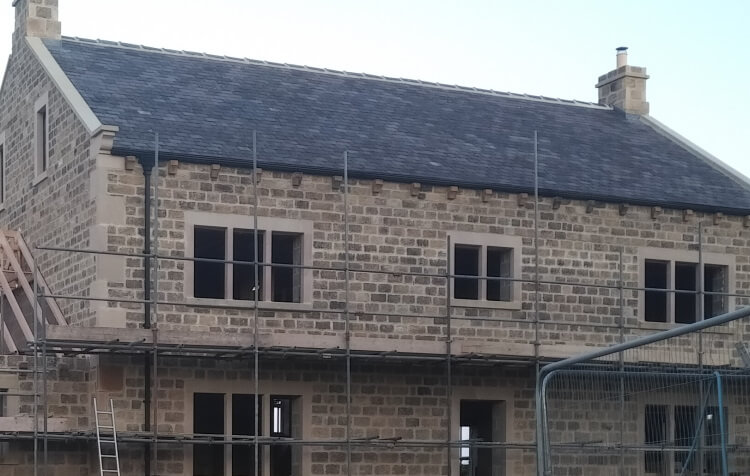
Can buyers get mortgages for new build flats?
Depending on the value of your new build flat, a potential private buyer might need to first get approved for a mortgage to cover the cost of purchasing it, and the new status of the home could cause complications.
Many private buyers, such as families, will almost always need a mortgage to fund the purchase of a property, and that’s just as true when buying your new build. They will apply to a lender, who will decide whether to give them the funds for the sale, in return for the aspiring owner paying the lender back in monthly instalments that also include a set amount of interest.
Where new builds can complicate the matter is with the lender assessing their potential investment risk in the property. In the event that a mortgage applicant ends up buying your property and then defaults on the loan, the lender may resort to selling the property to recoup the outstanding amount left to be repaid. But if they do not believe that the new build will sell at a high enough price to achieve that outcome, the mortgage application might get rejected. If that happens, the prospective buyer will not be able to proceed with purchasing your home.
Mortgage lenders could consider new builds a risky investment for the negative aspects of these properties as detailed earlier in this guide. Home loan lenders might also be suspicious of why you’re looking to sell such a new home so soon after owning it. However, the mortgage provider could also be willing to forget those initial concerns if you have a legitimate reason for selling so soon after buying, such as needing funds for an unexpected move overseas.
One way to avoid having to worry about the fate of a mortgage application when selling is to contact a quick home buyer like LDN Properties. These companies have the funds upfront to immediately buy your new build, with no need to apply for a loan to complete the purchase.
Will you have to pay tax when selling a new build flat?
Your goal when selling a new build flat is usually to make a profit compared to the original purchase price you paid for the property, and avoid breaking even or selling at a loss.
However, if you make a profit – also known as a gain – on the sale of your flat, it’s possible that you might have to pay the UK government what’s known as Capital Gains Tax. This is a charge that applies to the amount of gain made on the sale of an asset, such as a property. The good news is that the tax is only levied on the gain you make, not the greater flat sale price.
It’s also worth knowing that in certain cases you might not have to pay any Capital Gains Tax even when selling a new build flat or maisonette at a profit, or you might be able to pay less tax. It’s recommended that you speak with a tax specialists or other financial professional who will be able to assess your situation and let you know whether you might have to pay this tax.
Your options to find a buyer when selling your new build flat
A major decision you’ll have to make with the sale of your new build flat is which method you would like for finding a buyer. The typical four choices are selling through an estate agent, selling via an auctioneer, selling to a fast property buyer, or selling on your own.
You will discover that there are certain beneficial aspects to each of the methods, but that some of them also come with rather noticeable drawbacks such as charging fees or taking a long time. Consider all of the details below and find the approach that best matches your needs in terms of how quickly you want to sell, how much you profit you want to make, and more.
Selling through an estate agent
You won’t have to do much work when selling via an estate agent, because they will take care of most of it – they’ll prepare a listing that describes your new build flat and features photographs of it, advertise this listing in newspapers, online and in their office, organise viewings to show potential buyers around the home, and field any serious offers.
However, the process of selling this way is known for often taking a very long time, and it may take several months or even more than an entire year before you’re able to sell the flat. That’s not a great choice for those owners who need to sell their properties as fast as possible.
Another disadvantage of using an estate agent is that they will charge fees, to cover the cost of their work finding a buyer.
One disadvantage of selling through an estate agent is that some companies will try to convince you to using their services by quoting you an overly optimistic sale price for your new build flat, despite knowing it will only sell as a lesser value. The reason they do this is that they will be able to profit from the commission they’ll charge you if they find a buyer for the property.
You can fairly easily avoid falling for this trick, however, with some simple free steps. First, ask several estate agents to give you a free sale price quote for your flat. Second, look on home sales websites and write down the current and past prices at which new build flats like yours are selling or have sold. Finally, calculate the average of all these values, and the resulting figure should be a much more accurate estimate of your property’s potential sale price.
Selling via an auctioneer
You could sell of your new build flat by contacting an auctioneer, who will handle the bulk of the effort involved with trying to sell your property. In addition to preparing and advertising the listing for your home, they’ll also host the auction and, in the event that the flat sells to a winning high bidder, will oversee the formal completion of the transaction.
For this work, auctioneers will typically charge commission. This fee is subtracted immediately from the auction proceeds, which means that you will have to accept receiving a reduced sale profit.
Selling through an auction will take at a minimum several months, with a delay of many weeks between when you first list your flat for sale and when the auction occurs, and a further delay of about 28 days if the home sells for the buyer to finalise all of their required actions. It’s possible that some auctioneers might be willing to set a shorter deadline for the winning high bidder to complete the purchase of your home, so you should always ask whether this is a possibility.
It’s also important to remember that you never know what price you might be able to get for selling your home via an auction. You will be asked to select a reserve price, and this is the lowest possible price at which you can accept selling your home. You can choose a value that will still ensure you make a profit from the sale, even after subtracting the auctioneer’s fees. Otherwise you risk selling your flat at a loss, or only breaking even, which are two outcomes you may want to avoid.
Selling to a fast property buyer
Perhaps the fastest and most profitable way to sell your new build flat is getting in touch with a quick home buying company like the London-based LDN Properties.
They are quick buyers because they have the funds available to buy properties right away, with no waiting for many weeks or months to initially get approved for a mortgage to cover the price of the purchase. This straightforward approach means they can usually finalise buying a home within weeks, and that includes exchanging contracts and paying the owner their proceeds.
In addition to swiftness, quick buyers can also help you to boost your profit when selling, because the legitimate companies will never require that you pay them any commission. That compares very favourably to the fees that you would otherwise have to pay to an estate agent or auctioneer and that are taken out of the sale proceeds, resulting in less net profit.
Quick buyers are also able to make offers to buy almost any age, condition, shape, size or type of leasehold or freehold property, so they won’t lose interest in your home just because it’s a new build flat – unlike a private buyer who might be wary about purchasing such a property.
Some examples of the many other different purchases that LDN Properties has considered since launching in 2003 are dilapidated houses, flats with noisy neighbours, houses of multiple occupancy, homes with an infestation of Japanese knotweed in the garden, flats located above commercial premises, bed and breakfast properties, listed buildings, houses that have elevated radon levels, homes with low Energy Performance Certificate grades, flats with storm damage, lock-up garages, properties built from non-standard material like concrete, and more.
Selling on your own
You could also consider trying to sell your new build flat without any assistance from an estate agent or an auctioneer. This will require a lot of effort, money and time, and it’s not something you will be able to do only in your spare time. That’s why it’s only suggested if you have sold a home in the past, or you have an experience friend or family member willing to help.
It can take a long time to sell a property on your own, and you should be prepared for the flat being on the market unsold for at least a year, and possibly longer in some scenarios. If you are trying to find the speediest way possible to sell your home, this is often not the best choice.
Selling this way does have the advantage of not having to pay any commission to a third party like an estate agent or auctioneer, which means you can maximise your profit. But the profit you make will still be reduced by the costs involved in the process of selling your flat solo.
Even if you are selling your property during a recession, you could contact a quick home buyer because they will complete the purchase of your flat within a handful of weeks, you won’t have to do any work, and they’ll charge zero fees. It’s a speedy, stress-free and streamlined option for selling your new build flat.
Top queries and answers about selling a new build flat
Homeowners thinking of selling their property quickly often have some questions for us, ranging from the condition required before selling through to selling a flat when major works are due. Here are some of the top questions we’re asked about selling a new build flat:
Your top questions when selling a new build flat
Although there isn’t a single definition of a new build that covers each and every type of property, they all share some common features. You own a new build if it’s yet constructed, or has been built, renovated or otherwise converted at some time in the last few years. Typically, but not always, new builds will never have had anyone else living in them before you.
Generally, if you have a new build flat, you will be the leaseholder, which means that you own the unit itself for many years, typically between 90 and 120 years or longer, in exchange for paying the freeholder a ground rent (which can be nominal). The freeholder in turn has unconditional ownership over the building in which your flat is situated, as well as the land on which it was built.
It’s possible that some prospective buyers could lose interest in purchasing your new build flat for several reasons, including the fact that new builds are sometimes much smaller than similar but older properties, they might come with premiums that have to be paid to the company or person that built the flat, and they may not have as much character as an older home.
Certain lenders could be suspicious of the fact that you want to sell your new build property so quickly, and they might fear that there is something wrong with the home that could make it impossible for the lender to sell later if the buyer defaults on their mortgage – but you can avoid this by selling to a quick home buyer that doesn’t need to first get a loan to buy your flat.
You might not have to pay any commission, if you sell on your own or contact a fast home buyer like LDN Properties, because they never charge sellers any fees. By contrast, you can expect to pay a fee if using a property auctioneer or estate agent.
This will depend on the method of selling that you decide to use, because selling on your own or using an estate agent might take more than a full year before you receive a serious offer from a buyer. Selling through a property auction will likely take at least a few months. The speediest choice is often using a fast buyer, as that usually takes only a few weeks to complete the whole process.
Absolutely, and the honest fast buyers are almost always registered with The Property Ombudsman (TPO), an independent organisation that publishes regulations which are designed to protect homeowners from falling victim to fraud in the quick buying sector.