
Quick navigation
Owning a freehold or leasehold house or flat that’s situated on a private road, also known as an unadopted road, can have a number of advantages including greater privacy. But it can also come with some disadvantages such as issues over your right of way. This guide shows how to overcome potential hurdles with selling and hopefully get a fair and speedy offer from a buyer.
- When are properties deemed to be on private roads?
- The benefits of owning a home on a private road
- Disadvantages when selling house on private roads
- Establishing a right of way for your house or flat
- Should you get an indemnity policy for your right of way?
- Your options for selling a property on a private road
- Frequently asked questions about selling homes on private roads
When are properties deemed to be on private roads?
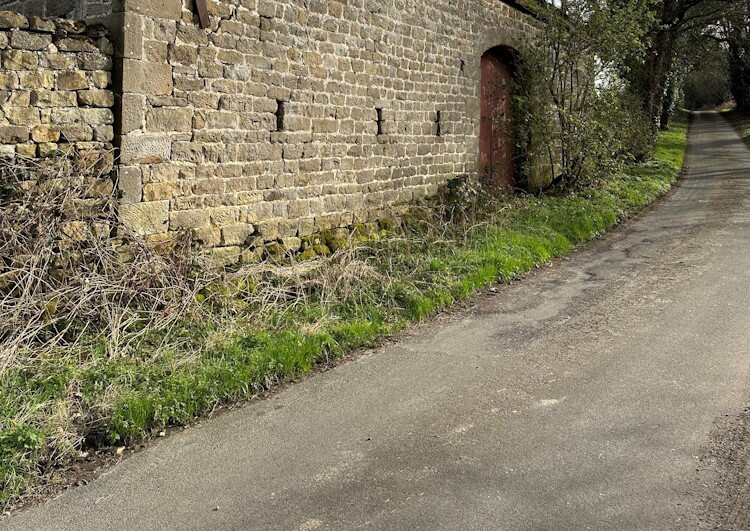
Private roads, which are also referred to as unadopted roads, are defined in a law known as The Highways Act 1980, and they are streets that are not maintained at the public’s expense – compared to public roads that the local authority will typically have responsibility for keeping in good condition.
You’ll often find private roads leading to freehold or leasehold properties in rural areas of the UK, and on housing estates, but they can be located almost anywhere. Instead of the local authority having the duty to keep the roads in decent shape, the requirement for maintaining private roads falls on the owners of homes that front on to the private road.
As later sections of this guide explain, if you’re trying to sell a home on a private road, you’ll find that there are certain beneficial elements of this type of property, but there are also some negative aspects that could make it harder to generate interest from potential buyers.
The benefits of owning a home on a private road
There are estimated to be at least 40,000 unadopted roads throughout England and Wales, according to Sabre, a website that provides information on streets in the UK and Ireland.
Many of these private roads are connected to houses or sometimes even blocks of flats, and there are certain benefits associated with owning this type of home compared to one that’s located on a public road. Understanding these advantages can be useful when trying to sell your home, because you can focus on promoting these perks when talking to buyers.
One of the top advantages of owning a home on a private road is that you’ll enjoy much greater privacy compared to houses or flats that are located on busy public roads. Some prospective buyers will place a priority on getting as much privacy as possible, so they are likely to look very favourably on your home because only people living off the private road will be able to use it.
Private roads also have much less traffic than stress in villages, cities and anywhere else, because the only vehicles that should be on the unadopted road will be those owned by the residents of the homes, and any service vehicles such as deliveries or repair companies. Reduced traffic typically makes for a quieter surrounding, which many buyers are seeking.
Some buyers also look for homes on private roads because they believe these properties to have greater security than flats or houses on public roads. That’s because any unusual vehicles using the private road will be easier to spot, potentially discouraging burglars.
Disadvantages when selling house on private roads
When you’re trying to sell a property – whether that’s to raise funds for retirement, needing to move overseas, dealing with a financial problem or any other scenario – it’s equally important to known all of the potential negative aspects of your home that might concern buyers.
One of the biggest problems associated with owning a property on a private road is the costs associated with the homeowner’s duty to contribute toward upkeep of the road. Depending on the condition of the road and how often it’s used, repair costs could quickly add up.
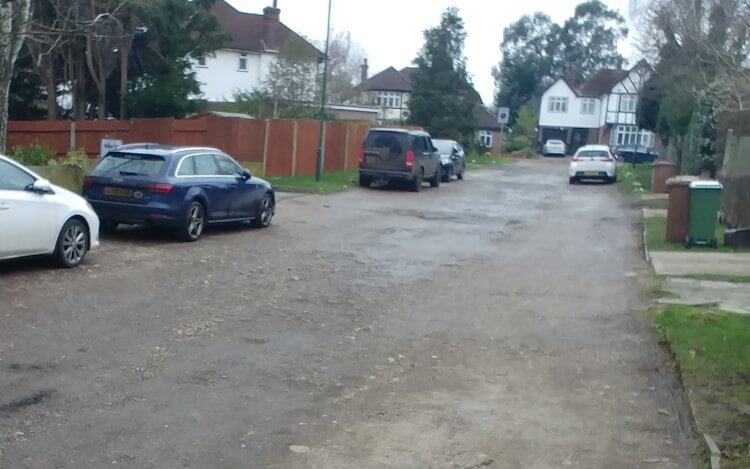
Another worry for some buyers will be about their potential legal liability in the event that someone has an accident or injury on the private road, as the website Home Buying Tips explains. For example, someone could fall if they’re using the road and it is badly maintained and full of holes, and then try to sue the homeowners responsible for upkeep of the road for damages due to their injury.
If you’re living on a housing estate then it’s likely that the company which built the properties will already have an insurance policy in place to cover such costs if this situation arises. But if you are living in a single detached house off a private road, you’ll have to consider whether it’s worth purchasing an insurance policy before you attempt to seek a buyer for the property.
In situations where several homes all use the same private road, there’s also the potential for disputes between the owners about which type of road repairs to pursue, and whether to do the work. Some potential buyers might find that potential fight to be more stress than they’re willing to take on, particularly if your neighbours have a history of creating conflict on this issue.
Establishing a right of way for your house or flat
If your home is located off a private road and you must use that road in order to access the property, it’s vital that you establish your right of way for using the road. Potential buyers will likely lose interest in your home if there will be problems in the future with being able to access it.
The conveyancing process, which is the preparation of legal documents for the sale of a home, will uncover whether or not you have a right of way to use the private road. You must be upfront and honest with potential buyers about any access problems that exist, because concealing issues like this could open you up to litigation from whoever purchases your property and then discovers that the right of way is contested or there are related boundary disputes.
If there is no formal statement that you have the legal right to use the private road to access your property, you might want to consider making a sworn statutory declaration in which you will assert that you have used the unadopted road for at least 20 years. But this might not be possible if you have not lived at your property for that amount of time.
Should you get an indemnity policy for your right of way?
One question you’ll have to resolve before selling is whether you want to purchase an indemnity policy for your right of way, as the solicitors’ firm Coodes notes.
This type of policy can be a viable solution in those situations where it’s not possible to make a statutory declaration that establishes your legal right to use the unadopted road. The policy would insure you against the costs of fighting any challenge to your ongoing use of the private road, and it’s possible to transfer the insurance policy to whoever buys your home.
But there are typically a few conditions that must be met before you can apply for this type of insurance, which is known as an absence of easement indemnity policy.
For example, the property you own must be a single, completely built home that you’re selling, and the current residential use of the building cannot change – so redeveloping it as commercial property would not be permissible. The private road must also have been in use for at least eight months and without any challenges to your use of the road during that time.
Your options for selling a property on a private road
An important step in the process of selling your home on a private road is making a decision on the approach you would like to use to find a buyer, and your choices include selling to a quick home buyer, selling via an auction, selling with an estate agent or selling on your own.
You will discover that there are certain benefits linked with some of the methods, for example you could complete the sale of your home in just a few short weeks when selling to a quick buyer. Other choices have some notable disadvantages, including the need to pay auctioneers or estate agents commission that will be subtracted immediately from your sale proceeds.
Make a note of your most important priorities with the sale of your house or flat, including how long you can wait to sell, your preferred sale price, and whether you are willing to pay a third party any commission for the sale. Then browse the details of the four strategies below and this should help you to identify the method that best pairs with your unique wants and needs.
Selling to a quick home buyer
Selling via an auction
When you auction your home, you will initially be asked to select a reserve price, and this is the lowest price at which you can accept selling your home on a private road. The auctioneer will include this price in the listing, which will also features photographs of the inside and outside of the property and a description of its main elements, such as how many bathrooms it has.
The auctioneer will then advertise this listing for several weeks or longer, to generate interest from potential buyers. And then they will host the auction itself where people will be able to place price bids on your home. Ideally, several people will be interested in buying your home and they’ll raise the final sale price by continuing to try and outbid each other. The top price bid at the time the auction ends is then deemed to be the winner and new owner of your home.
Note that even just a single bid at the reserve price is considered a binding legal agreement that you’ll sell your home to the winning high bidder, and they could ultimately sue you to enforce the sale in the event that you try to back out of it once the auction has been completed.
That’s why you must select a reserve price that is calculated to generate a profit from the sale even after you have paid the auctioneer their fees. Typically, auction houses will charge commission based on the property’s final sale price, and this will increase your selling costs because the fee will be subtracted immediately from the eventual sale proceeds.
Some auctioneers may be open to either lowering their commission rate or having the winning high bidder pay some of your expenses, so inquire about whether this is a possibility.
Auctioning can be a slow way to sell a property, because there will be a delay of many weeks or longer between when you decide to list your home in the auction and when the auction occurs. If your property does sell, the winning high bidder then usually has 28 days to sign all of their mandatory legal documents and complete their other steps to make the purchase final.
You can ask individual auctioneers whether they might be open to setting a shorter deadline for the buyer to finish these tasks, but beware that some companies may allow even more time.
Selling with an estate agent
A third method for selling your house or flat on a private road is using an estate agent, who will do the majority of the work in finding a buyer – this includes creating and advertising a listing, scheduling viewings and hearing offers from people who are serious about buying your home.
For doing all of this work, the typical estate agent will require that you pay them commission. This will increase the costs of selling your home because the commission will be subtracted from the eventual sale proceeds as soon as contracts have been exchanged.
Selling this way can take a very long time, and you should be prepared to wait for more than a year before a sale is completed. Also, someone can make an offer to buy your home and then withdraw it without any penalty right up to just before the exchange of contracts. Should that happen, you will have to start again with trying to find a buyer, delaying the process further.
You might also find that some estate agents have no knowledge of how to advertise a home located on an unadopted road, which suggests that they will find it hard to generate any interest in your property from potential buyers. Always ask individual estate agents about their past success in selling homes like yours, and only choose a company with that experience.
Selling on your own
Finally, you could consider selling your home on a private road without any help, which would put the burden on you to create a listing, advertise it, schedule viewings and field offers. This is a massive amount of work and it can quickly take up a lot of your time and be very stressful.
It’s also often a slow way to sell a property, and you should anticipate waiting for many months or even more than an entire year before you are able to get a genuine offer. And just as potential buyers can withdraw offers up until contracts are exchanged, the same can happen when you’re selling on your own, which would add much more time to the process if it occurs.
The clearest benefit of selling without any assistance is that you will not be required to pay potentially expensive commission to a third party, such as an estate agent or auctioneer. But the costs involved with advertising your home could quickly eliminate this advantage.
If you’re determined to avoid paying any fees when selling your home, an alternative solution is to sell your property to a quick buyer such as LDN Properties. The honest quick buyers tend to be no-fee companies, which means they never charges homeowners any commission when purchasing their properties. But they have the additional perk of being able to complete the process of buying most homes within weeks rather than months, so you would not only get a zero-fee sale but you would also secure a buyer on the quickest timeline possible.
Top queries and answers about selling a house on a private road
Homeowners thinking of selling their home quickly typically can have some questions that need answering, ranging from the amount of repair works needed before selling through to selling a house without viewings. Here are some of the top questions we’re asked about selling a house on a private road:
Your top questions when selling a house on a private road
If your house or flat is located on a public road, this means that anyone can drive on that road, and it’s the responsibility of the local authority to keep the road in decent condition. By contrast, if you own a home on a private road, also known as an unadopted road, then the owners of homes connected to that road are the only ones that can use it on a regular basis.
There are a few factors that can make homes located on unadopted roads more attractive to prospective buyers, including the fact that they should be able to enjoy more privacy because the only vehicles that should be using the road regularly will belong to the homeowners. Another benefit of this type of property is that it should be quieter because there will be less traffic.
One of the most significant negative aspects of owning this type of property is that you, and any other people who own homes connected to the private road, could be responsible for maintaining the road in good condition, and this could become quite expensive. Another drawback is that you could be legally liable if someone is injured when using the road.
You could pursue a sworn statutory declaration that you have used the private road for at least 20 years without any challenges, but many homeowners will not meet this residency requirement. Alternatively, you could get an insurance policy that covers the costs of dealing with any legal challenges to your right of way, and transfer this to the eventual buyer.
The speediest way to sell a house or flat on a private road will usually be getting in touch with a quick buyer such as LDN Properties, because they are able to finalise the purchase a property within a few short weeks. Slower methods of selling are auctions, estate agents or selling on your own, because these will all take several months or longer to complete.
If you sell your home through an auctioneer or estate agent then you can expect to pay commission based on the sale price. But if you sell without any assistance or sell to a legitimate quick buyer then you won’t pay any commission.
Yes, you can ask if they belong to an independent entity called The Property Ombudsman (TPO), which writes policies to guard homeowners from falling victim to scams in the quick buying industry – and all genuine TPO members, like LDN Properties must follow these regulations, which should give you extra peace of mind with the sale of your property.