Quick navigation
There are many different types and sizes of churches across the UK, some that are still in use for religious worship and others that are vacant. If you are the owner of a church and are looking to sell the property, you might find it’s harder than trying to find a buyer for other properties. This guide offers some key tips on how you could still get a fair and fast sale of any type of church.
- Can churches be sold as property in the UK?
- How planning permission can affect the sale of a church
- Deciding whether to fix problems with a church before selling
- Paying Capital Gains Tax on the sale of a church
- Four options for trying to sell a church
- Frequently asked questions about selling a church
Can churches be sold as property in the UK?
There are believed to be more than 40,000 church buildings according to Britain Visitor throughout the UK which covers a wide variety of properties with varying ages, conditions, shapes and sizes, and it is perfectly lawful to sell a church.
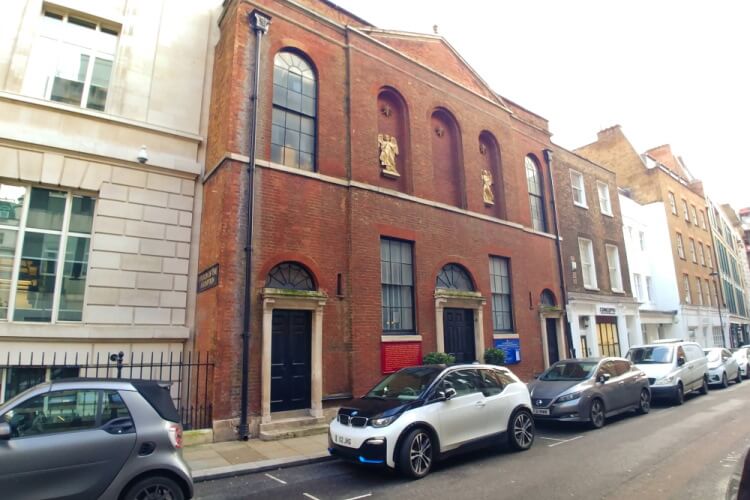
Famous large churches include landmarks like Westminster Abbey in London, but churches can also be smaller buildings in the centre of villages or towns, and they don’t always have the conventional look of a church with spires and frosted glass windows. You can find churches that are housed within buildings that might otherwise be easily mistaken for office space. The common element that they share is that they are designated solely for religious worship.
Some churches that are currently in active use for parishioners, for example in villages, are owned by the Church of England or other denominations that may be classified as tax-exempt charities. When attendance at these churches drops significantly, these properties are sometimes sold to other organisations to use as office spare, or to builders for redevelopment.
There are also a number of churches that are empty because they have been abandoned, and you might own one if the freehold or leasehold of the property was put up for auction or sale. It’s possible that you might have looked at owning a vacant church as an investment opportunity because either you had plans to redevelop the property for other purposes, or to resell to a developer hopefully at a profit.
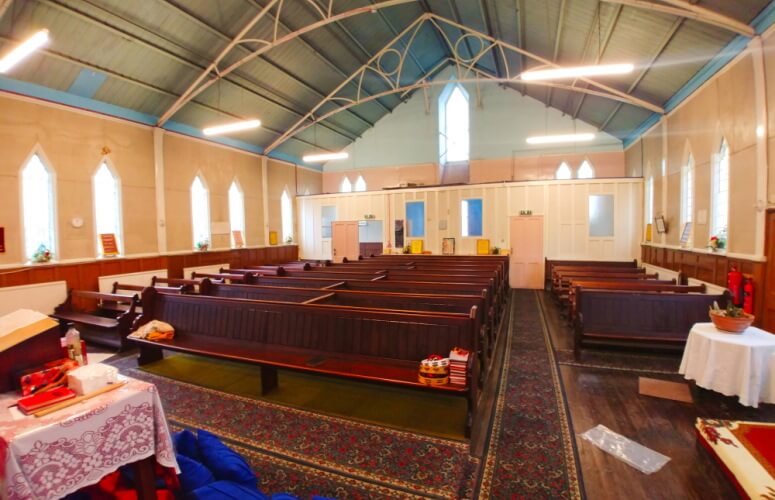
Some vacant churches might also be derelict, which presents its own unique hurdles with trying to sell them because many buyers will be wary about buying a damaged property.
Regardless of the precise ownership of the church and whether it’s currently in use or empty, or its present condition, there are various steps of the selling process that are important to understand in order to hopefully increase your prospects of securing a speedy and fair sale.
How planning permission can affect the sale of a church
One factor that might affect the sale of your church is whether it currently has planning permission as discussed on Homebuilding.co.uk. This is authorisation that a property owner must get from the UK government before making significant physical changes like an extension to a house, flat, church or any other type of property.
Planning permission and listed building consent is almost always required for listed buildings, and depending on the age and history of your church it might be a listed building and need this permission. Just because you have planning permission secured does not mandate you to pursue any work.
It can potentially help the sale of your church if you have planning permission that allows for large-scale physical changes to the property, because this should ease a buyer’s ability to pursue such work once they own the church. But there is no legal or other requirement that you have planning permission in place before you attempt to find a buyer for the property.
If your church does not have planning permission then you will likely still be able to attract buyers for it, but you might find the pool of potential owners is smaller than for churches with planning permission.
Deciding whether to fix problems with a church before selling
Whilst some churches for sale are in great condition, you could have a church that has physical problems ranging from small to large, such as the presence of Japanese knotweed, dry rot, high levels of asbestos, poor Energy Performance Certificate rankings, damp, subsidence and more.
If you are aware of any such problems at your church, you should not hide them from any potential buyers who express interest in the property. If you hide a known physical flaw from someone and they end up purchasing the church and later discover the problem, they can sue you for withholding the information and you could be liable for rather significant penalties.
Besides, any obvious physical problems with a church are more likely than not to be uncovered during the survey, which is a key part of the selling process. The surveyor is a qualified independent professional who will assess the interior and exterior of the church in order to uncover any potential flaws with it.
You will have to make a decision on whether to conduct remediation work to address whatever structural problem your church might have before attempting to find a buyer for it.
Be aware that some corrective work, such as fixing subsidence, could cost a lot of money and take many months. This might be fine if you have the funds for the work and don’t mind waiting for a long time before selling, but it’s not a good choice when you’re trying to sell in a hurry.
It’s possible that you might simply not have the time or the funds available to correct a physical problem with your church before attempting to sell it, and that’s perfectly acceptable. Never pursue any corrective work on a property that you’re trying to sell if it will result in you selling the building at a loss or only just breaking even. There are still options available for getting a fair and fast price for the church even when selling "as is" without fixing any problems with it.
For example, you could contact a quick property buyer because they are able to make quick and competitive offers to buy almost any type of property and without charging you any fees. They have extensive experience with buying so-called problem properties as is, and it can be a great way to secure a speedy sale at a decent price, and free of having to pay commission.
Paying Capital Gains Tax on the sale of a church
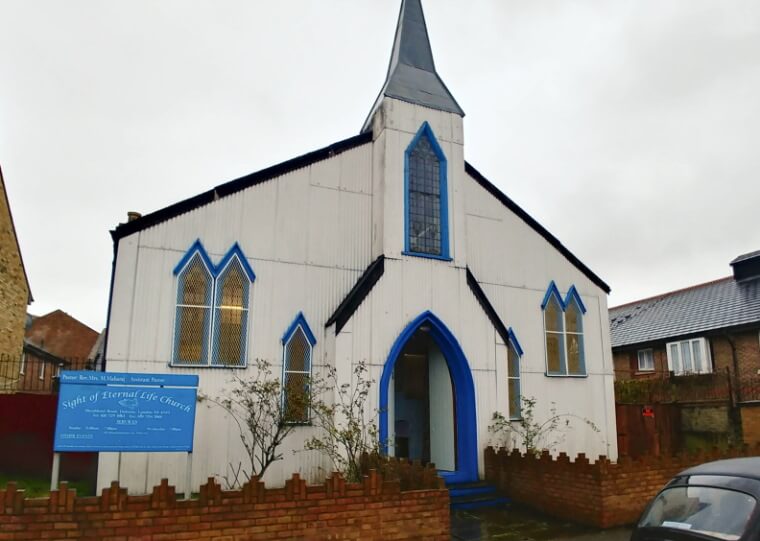
Regardless of the person or organisation that might be interested in purchasing your church, there are some situations in which you could be liable for paying Capital Gains Tax on the sale. The sale of a church is discussed in this Eastern Daily Press article.
Capital Gains Tax is a charge that the UK government levies on the sale of assets, which are tangible physical items of value such as properties, cars, artwork and more. This tax is levied on the amount of profit, also called the gain, that someone makes when selling an asset. It applies to the total profit, rather than being charged based on the final sale price of the asset.
However, there are many situations in which you can either reduce or eliminate completely your Capital Gains Tax obligation. This can be the case for many religious organisations that are designated as charities and are likely to be exempt from having to pay this tax when selling their churches, but it’s always worth asking a financial professional for their advice.
Four options for trying to sell a church
One of the most important choices that you will have to make when selling your church is deciding on which method you would like to use for finding a buyer. The options are typically trying your luck with an auction, selling via an estate agent, using a quick property buyer, or selling on your own.
There are clear benefits linked with some of these selling options, for example not having to pay any fees or securing a sale within a handful of weeks. But a few of these choices have rather prominent drawbacks, for example taking a year to sell on average or imposing large fees.
In order to find the selling choice that best matches your unique wants and needs, you should first write down a budget for the sale of the church that includes your ideal sale price, your preferred timeline for selling, and whether you’re willing to pay any commission for selling. Then check this information against the detailed specifics of the four selling options outlined below, and this should help you with finding the method that most closely suits your situation.
Trying your luck with an auction
Auctions by their nature are unpredictable – you may get zero bids on your church, which means that it does not sell, and you’ll have to go through the time-consuming process of starting over with trying to find a buyer for the property, adding months to the schedule.
Or you may just get a bid at the reserve price, which is the lowest value at which you agree the church can sell. You must ensure that the reserve price is calculated to still generate a profit for you even after subtracting the auctioneer’s fees, because a bid at the reserve price is a legally binding agreement to purchase your property that the buyer can sue to enforce if necessary. Don’t select a reserve price that will result in your only breaking even or selling at a loss.
Still, this method of selling has the benefit that you won’t have to do much work. The auctioneer will prepare a listing that features photographs of the church’s interior and exterior and describes the property, and advertise this online, in local newspapers and elsewhere to generate interest from potential buyers. They will also host the auction where they take bids on the property, and they will oversee completion of the transaction if your church manages to sell.
Whilst all of this minimises the work required of you with selling, auctioneers expect to be paid for doing it, usually as a percentage of whatever the final church sale price might be. This charge is deducted right away from the sale proceeds, which will add to your selling costs.
Some auctioneers might be open to negotiating a lower rate of commission, or shifting the burden of paying some selling costs on to the winning high bidder, which could help save you money, so you should always ask individual companies whether this might be a possibility.
Selling this way is far from the speediest option because it will take many months at least. There’s a delay of several weeks or longer between the date on which you list the church for sale and the date on which the auction happens. And there’s a further delay of an average 28 days after a successful auction for the winning high bidder to complete all of their mandatory steps for completing the transactions, such as signing the relevant legal paperwork.
Again, you might be able to negotiate a shorter deadline for the buyer to complete their tasks, so it’s always worth inquiring with individual auctioneers to see if this could be feasible.
Selling via an estate agent
Your workload when selling through an estate agent will be minimal, because they’ll take care of creating and marketing a listing, organising and leading viewings, and fielding offers.
In exchange for this work, estate agents will likely charge you commission usually based on whatever sale price you’re able to get for the church. This fee is taken out of the sale proceeds immediately, which will add to your overall selling costs.
This can also be quite a slow way to sell a church or any other type of property, and you should be aware that you might be waiting for more than an entire year before you get a serious offer from a buyer. That’s far from suitable for those church owners who need a speedy sale, and if that’s your situation then you should consider alternative options for finding a buyer.
Some estate agents might only know how to sell certain types of properties, such as houses and flats, and they could have no experience with trying to find a buyer for a church. In this scenario, an estate agent could struggle with knowing how to generate interest from buyers in the property, and it could take even longer for them to find someone willing to make an offer. Always ask individual companies about their past successes, if any, with selling churches.
You may also find that certain estate agents quote you a very attractive estimated sale price for the church, even if they secretly understand that you’ll only be able to attract a buyer at a much lower value. The reason they do this is because they want to secure your business, so that they will get to benefit financially from charging you commission if they’re able to sell the property.
It is quite simple, fast and free to avoid getting trapped in this situation. The first step is to ask several estate agents for no-cost quotes for the sale price that they think your church could achieve. The second step is to visit property sales websites and write down the past and present sale prices of churches that are similar to yours in age, condition, shape, size or type. The final step is to calculate an average of all these prices, and that should give you a much more accurate estimate of the price at which you should be able to secure a buyer.
Using a quick property buyer
One attraction of using a quick buyer is that these companies have plenty of experience with buying a wide range of freehold and leasehold properties of various types, conditions, sizes, ages and shapes, so you’re likely to easily find one that has bought churches before.
LDN Properties, for example, is a London-based quick buyer founded in 2003 that has plenty of experience with buying and considering a diverse mix of properties throughout the UK including churches, Wimpey No-Fines houses, flats with cladding, nurseries, homes that have severe storm damage, properties where the owner cannot find important documents like the title deeds, houses located close to railway lines, listed buildings, vandalised properties, and many other scenarios.
Honest quick buyers will never make you pay any commission when purchasing your property, so you can count on receiving the full sale proceeds, reducing your costs with selling.
And as their name implies, quick buyers are perhaps the speediest option for finding a buyer for your church, because they usually take only a handful of weeks to complete the purchase of a property, and that includes the time required for paying you the proceeds and exchanging contracts. They’re able to move so rapidly because they have the financial resources to buy properties right away, with no waiting for weeks or months to first get approved for a mortgage.
The process of selling to a quick buyer is also incredibly straightforward, zero-hassle and stress-free. You start by getting a free sale price offer from a quick buyer, and you’ll have a week to think about whether to accept it. Should you accept the initial offer, a representative from the company will visit the church to assess the property before the quick buyer makes a final offer. And if you accept the final offer, it’s a speedy conclusion where your solicitor will work with the quick buyer to complete all of the required paperwork, with minimal work required from you.
Selling on your own
This is perhaps the most stressful way to sell a church, because you will have the sole duty to do all of the work involved, from creating and marketing a listing for the property through to scheduling and hosting viewings, and sorting out offers to ideally take one to completion.
It’s a massive amount of work and this is not something that you can simply do whenever you have spare time. That’s why selling on your own is usually only suggested for people who have previously had success with selling properties, or have a skilled friend or family member who might be willing to help for free. Otherwise you could quickly get overwhelmed selling this way.
You may find that this is also a very slow way to sell a church, because the average timeline for this method of selling is more than a year before you’re able to get a legitimate offer.
Selling on your own does have the advantage of not requiring you to pay commission to any third party like an estate agent or auctioneer for finding a buyer, which reduces your costs. But this saving may be wiped out by the money you’ll have to invest in the process of selling.
Contacting a quick property buyer is a stress-free and zero-commission alternative to selling a church that won’t require any work from you and will ensure a fast, fair and hassle-free sale.
Top queries and answers about selling a church
Property owners thinking of selling quickly usually have some specific questions, ranging from selling a dilapidated property through to the essential works needed before selling. These are some of the questions we’re asked when selling a church: