Quick navigation
The Green Deal was an initiative launched by the UK government in 2013 to provide low-cost loans to homeowners in order to fund energy efficiency upgrades at their properties. This guide details the potential barriers that you might experience when trying to sell this type of home, and also outlines steps to take in order to attract a speedy and competitive offer from a buyer.
- What are Green Deal properties?
- Buyers may be reluctant to take on a Green Deal loan
- Do you need to tell buyers about Green Deal when selling your house or flat?
- Options for resolving Green Deal when selling a home
- Your choices for selling a property with Green Deal
- Frequently asked questions about selling homes with Green Deal
What are Green Deal properties?
If you own a leasehold or freehold house, flat or other type of property, it’s possible that in recent years you applied for a Green Deal loan to improve the home’s energy efficiency.
Green Deal was a UK government initiative, launched in 2013, that provided affordable loans designed to help homeowners pay for installing insulation or other measures that could reduce how much energy their properties use. These energy efficiency improvements were expected to lower the household’s energy bills, and the loan would be paid back with those savings.
Although the government heavily promoted the initiative and many homes throughout the UK took advantage of these loans, the Green Deal in its original form was discontinued in 2015.
In its place, the Green Deal Finance Company was created to provide an ongoing source of low-cost loans that should help homeowners fund energy efficiency upgrades they would like to make their at their properties. Such improvements could even help homes to earn a higher Energy Performance Certificate rating, which potential buyers might find more appealing when you’re trying to sell.
When you’re looking to sell your leasehold or freehold home, read this guide to learn about the possible problems that you might encounter when trying to find a buyer, and how to deal with any concerns you may have about not being able to sell whilst the loan is still being repaid.
It’s a leasehold property that you’ll be attempting to sell if you are the outright owner of the building and the land on which it was constructed, but you’ll be selling a leasehold home if you pay the freeholder an annual ground rent and own the home for a set number of years.
Whichever type of house or flat you might be trying to sell, this guide also offers advice on how to improve your odds of attracting a competitive and swift offer from a buyer.
Buyers may be reluctant to take on a Green Deal loan
As you attempt to sell your freehold or leasehold home with a Green Deal loan, you might find that there certain obstacles due to concerns from buyers about such properties.
The main issue that a prospective buyer could have with your flat or house is that they may not be comfortable with taking over responsibility for the loan as the next owner of the property. That’s an important problem to deal with because, by law, the loan stays with the home and transfers to the next owner, as explained by Which?
In this situation, you might encounter a certain number of buyers who will see the existence of a Green Deal loan as a dealbreaker, because they will not want to purchase your property and then have to not only make their mortgage repayments but also the Green Deal payments.
And even if a buyer is still willing to purchase your property, they could significantly reduce their asking price based on their fears about how much they’ll have to pay on the loan each month.
One way to overcome this problem is to speak with serious buyers about the terms of the Green Deal loan and how the repayments are low, as well as how the energy efficiency upgrades will benefit them in terms of a more efficient home that has reduced electricity bills.
Another possible solution is contacting LDN Properties or another quick home buying company, because they make rapid and fair offers to buy many categories of leasehold or freehold property regardless of issues such as the home having an outstanding Green Deal loan. They can also typically finalise the purchase of most properties within just a few short weeks, and that covers the time it will take for the exchange of contracts and paying the seller the proceeds.
Do you need to tell buyers about Green Deal when selling your house or flat?
Some homeowners might wonder whether they have to inform potential buyers about an existing Green Deal at their freehold or leasehold property when trying to sell it.
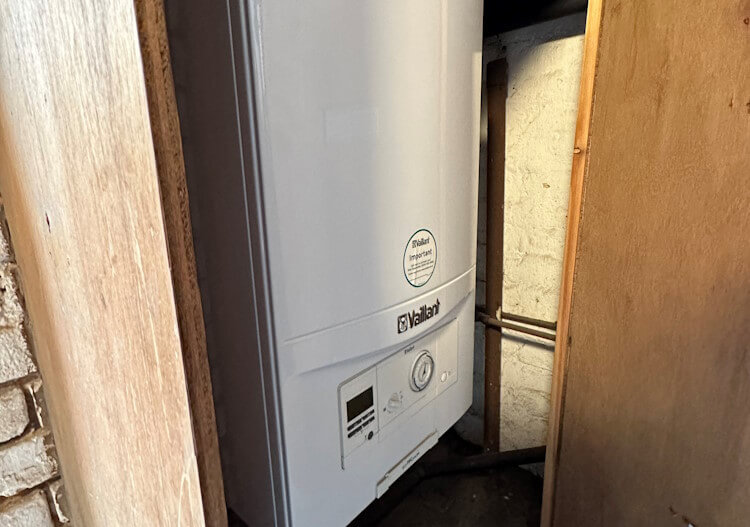
The answer is that yes, you are required to inform anyone who makes a serious offer on your home about the fact that you have a Green Deal loan, as well as provide information about what type of energy efficiency update you paid for with the loan – whether that’s installing insulation, replacing your boiler, adding new heat or lighting controls, or any other type of qualifying improvement.
The reason that you need to disclose this information is because of what’s known as a Property Information Form, or simply just a TA6 form. This form is essentially a lengthy list of questions that you need to provide written answers to about various aspects of your property, including structural issues, boundary disputes, and more as the HomeOwners Alliance explains.
One of those questions that you’ll be required to answer on the TA6 form will be: "Have any installations in the property been financed under the Green Deal scheme? If Yes, please give details of all installations and supply a copy of your last electricity bill."
It’s vital that you answer this question honestly and provide as much detail as possible. If you know you have a Green Deal loan on your property and have installed energy efficiency upgrades with it, and withhold this from a potential buyer, you could face legal action and serious penalties once they become the new homeowner and discover the loan.
If you think that telling a private buyer through an estate agent or an auctioneer about a Green Deal loan will make it impossible to sell your property, consider instead an alternative method of selling by contacting a quick home buying company like LDN Properties. These businesses make fast and fair offers to purchase almost any type of freehold or leasehold home regardless of any potential negative factors, and that includes Green Deal houses or flats.
Options for resolving Green Deal when selling a home
Another issue with trying to sell a freehold or leasehold property that has a Green Deal loan is the concern from the seller that they will be unable to put the house or flat on the market until the loan is paid off in full – but the good news is that you don’t need to worry about it.
There is nothing to prevent you from trying to find a buyer for your home even when you’re still making Green Deal repayments. And the next section of this guide will outline in more detail the four top methods that you have available for trying to attract buyers to your property.
This section will briefly explain some of the options that you could consider for resolving the Green Deal loan when trying to sell. Whether or not a specific option is right for your individual situation will be a case-by-case decision based on your unique wants and needs.
Pay early: If you have the available funds, you could settle your Green Deal loan early, which means it would be paid off before the sale of your property. This option would remove the Green Deal loan entirely as an issue for a prospective buyer, although it may not be affordable for many homeowners, particularly those looking to reduce their costs when selling.
Settle during the sale: One of the most common ways to resolve a Green Deal loan when selling is to incorporate a settlement of the loan into the buyer’s offer, which means the loan will get paid off and the new owner won’t have to worry about taking over responsibility for it. But this option does have the downside of possible reducing your proceeds from the sale.
Persuade buyers: You could also try telling prospective buyers about the reduced energy bill savings that they can expect to make as the next owner of your property, and how the Green Deal repayments will be manageable. This option would help with hopefully not affecting the offer you receive or your proceeds, and the buyer will then take on the loan responsibility.
Sell to a quick buyer: Quick home buyers are known for making swift and fair offers to buy leasehold or freehold homes, including those where the owner has outstanding debt tied to the property, whether that’s a Green Deal loan, service charge arrears, missed mortgage payments and other situations.
Your choices for selling a property with Green Deal
When you’re prepared to sell your leasehold or freehold Green Deal home, you next need to select the approach you’d like to use for finding a buyer, whether that’s selling to a quick property buyer, selling without any help, selling with an estate agent or selling at an auction.
There are clear advantages and disadvantages associated with the individual methods, for example the benefit of being able to avoid paying any commission when selling to a zero-fee quick home buyer, or the drawback of waiting a year to sell when doing so on your own.
To identify the selling option that could best suit your individual needs, write down your main priorities with the sale, such as how quickly you’d like to find a buyer, how much, if anything, you’re willing to pay in fees, and your ideal selling price. Then compare these goals against the details of the four choices below and you should find the closest one to satisfy your aims.
Selling to a quick property buyer
Quick home buyers have the funds immediately available to buy your leasehold or freehold Green Deal property, as they don’t have to wait weeks or months to get approved for a mortgage that would cover the cost of the purchase. This lets complete the process of buying most homes in just a few weeks, including exchanging contracts paying you the proceeds.
These companies, which include LDN Properties that launched in 2003, are also known for never charging homeowners any commission when purchasing their houses, flats or other properties, which lowers your costs and ensures that you will receive the full proceeds. That’s an ideal outcome for those homeowners with the main aim of reducing their expenses.
And for those owners who are concerned about how the existence of a Green Deal loan might affect the sale of their home, this is not going to be a dealbreaker for quick buyers, because they are renowned for making fair and fast offers no matter a home’s age, condition, location, shape, size or type – and that includes properties with an outstanding Green Deal loan.
LDN Properties, by way of example, has a long and growing list of properties that is has bought or made offers on including eco houses, uninsurable flats, bungalows, properties located on a private road, penthouse flats, homes that do not have a bathroom or kitchen, properties built with RAAC, smoker’s flats and multiple other different scenarios.
Selling without any help
Another method for selling your leasehold or freehold Green Deal home is doing so on your own. This means you’ll have to create a listing that describes the property and features photographs of the interior and exterior, and then advertise this listing, followed by scheduling viewings to give prospective buyers tours of the home, and finally hear any offers.
This is a huge undertaking and it’s not possible to only do this in your spare time, so you could be creating a lot of time-consuming and stressful work for yourself. You should only consider this approach if you have a friend or family member with past experience of selling properties like yours who is willing to help you sell at no charge, or you have such experience.
Otherwise, you could be looking at more than an entire year before you’re able to get an offer. And remember that a buyer can make an offer but withdraw it and not face any penalties, so long as contracts have not been exchanged. And if that situation happens, it could add much more time to the selling process because you’ll have to start over with finding a buyer.
The clear benefit of selling without any help is that you will not be required to pay any fees to an auctioneer or an estate agent, so that can lower your expenses. But you might find this saving is wiped out by the costs that you’ll face with advertising your home and other steps.
Instead, you could consider selling your home to a quick buyer like LDN Properties. These companies not only will commit to never charge sellers any commission, but they have the added pro of being able to finalise the purchase of your home within a few short weeks. So you’ll not only avoid paying fees, but you’ll get a much swifter sale using that method.
Selling with an estate agent
Estate agents will reduce the amount of effort you have to put into selling your Green Deal home, because they’ll have the responsibility for producing a listing, advertising this online, in local newspapers and in their office, organising viewings and fielding buyers’ offers.
But they also expect to be paid commission for this work, and this will increase your selling costs because the fee will be taken out of the final sale proceeds. Generally, estate agents will charge commission with a range of 1.15 percent to 1.40 percent of your home’s sale price.
This is far from the swiftest method for selling a property, because you could be waiting for many months or even more than a full year before you get a serious offer. And remember that even if you do get a valid offer from a buyer, they could rescind it and the sale will collapse without them facing any penalties, so long as the exchange of contracts has not happened. You’d then have to begin again with finding a buyer, delaying the process even further.
Also, always ask individual estate agents whether they have ever sold a Green Deal home in the past, because if they have not, they might not understand the best strategies for attracting buyers to your property, as Quittance Legal Services notes. If an estate agent has never found a buyer for your type of flat or house, it strongly implies that they will find it difficult to sell your property.
Selling at an auction
A fourth option for selling your leasehold or freehold house or flat that has a Green Deal loan is doing so through an auction. You’ll choose a reserve price, which is the lowest value at which you can accept selling your home, and then bids on the property will start at that price.
If you fail to receive any bids on your property then it will go unsold, which can delay the selling process much further because you’ll have to start over with trying to find a buyer. But if you get a bid at the reserve price, this is considered a binding legal agreement to sell your home, and the winning high bidder can sue to enforce the sale if you try to walk away from it.
Expect a long wait when selling your house or flat through an auction, because you’ll have to wait for many weeks or even months between the day on which you decide to sell your property and the day on which the auction is held. And then if your home does sell, the buyer usually has about a month to sign their required paperwork and complete their other mandatory tasks.
You will also face increased expenses when selling through an auctioneer, because they will charge you commission for the work that they do in advertising your property, hosting the auction and overseeing a successful sale. The average rate of commission charged by an auctioneer is 2.5 percent of a home’s final auction sale price, and this will be subtracted immediately from the sale proceeds, reducing the amount that you’ll end up receiving.
Some auctioneers could be willing to negotiate a lower rate of commission or a stricter deadline for the buyer to finish their tasks, or both, so it’s always worth asking if this may be possible.
Top queries and answers about selling property with Green Deal
Property owners looking to sell quickly can have some unanswered questions, ranging from selling a property with a mortgage through to selling a home in a bad area. Here are some of the top questions we’re asked about selling a Green Deal property:
Your top questions when selling a Green Deal property
The Green Deal was an initiative launched by the UK government in 2013 that provided reduced-cost loans to help homeowners pay for energy efficiency upgrades at their leasehold or freehold properties, such as houses or flats. The program was closed down in 2015 and replaced by the Green Deal Finance Company that still provides such loans.
Yes, there are zero legal restrictions on attempting to find a buyer for your freehold or leasehold property even if it has an outstanding Green Dean loan. You have a number of options for deciding which method you would like to use for trying to find a buyer for your property, and also several choices on whether to try paying the loan off or not before attempting to sell.
You are required to inform serious buyers about the existence of a Green Deal loan at your property, as well as give them details on the energy efficiency upgrade that the loan funded. This information is required on a TA6 form, also known as a Property Information Form, where you are required by law to provide honest answers to many questions about your home.
Some homeowners are worried that the fact they have an outstanding Green Deal loan at their freehold or leasehold house or flat means they are not allowed to sell it, but that’s not the case. But you may separately find that some buyers will lose interest in your property because of the loan, as they might be worried about taking over the loan as the home’s next owner.
It depends on the method that you use for trying to find a buyer, because it could take more than a year to sell when doing so without any help or when selling via an estate agent, and an auction could take at least many months. But if you sell to a quick buyer like LDN Properties then the timeline should only be a few weeks, and that includes exchanging contracts.
If you decide to sell your home using an estate agent or an auction, then you will have to pay fees which will be subtracted straight away from the eventual sale proceeds. If you instead sell your home without any third party assistance or you sell it to a no-fee quick property buyer, then you will be able to reduce your expenses because you will not pay any commission.
The Property Ombudsman (TPO) is an independent entity that writes rules to guard homeowners against scams in the quick buying industry, and all true TPO members, like LDN Properties must follow those regulations, which should give you extra peace of mind when selling. Never sell your home to a non-TPO member because it could be a scam.