Quick navigation
If you own a leasehold or freehold bungalow and would like to sell it, there are certain advantages and disadvantages associated with this type of property than can affect how quickly you’re able to find a buyer. This guide walks you through the process of trying to sell a bungalow and outlines steps to take for being more likely to get a fair and swift offer.
- What type of property is a bungalow?
- Reasons why buyers might want a bungalow
- Disadvantages of owning a bungalow
- Should you get planning permission before selling?
- Preparing your bungalow for sale
- Will you pay Capital Gains Tax when selling a bungalow?
- Four top choices when selling your bungalow
- Frequently asked questions about selling a bungalow
What type of property is a bungalow?
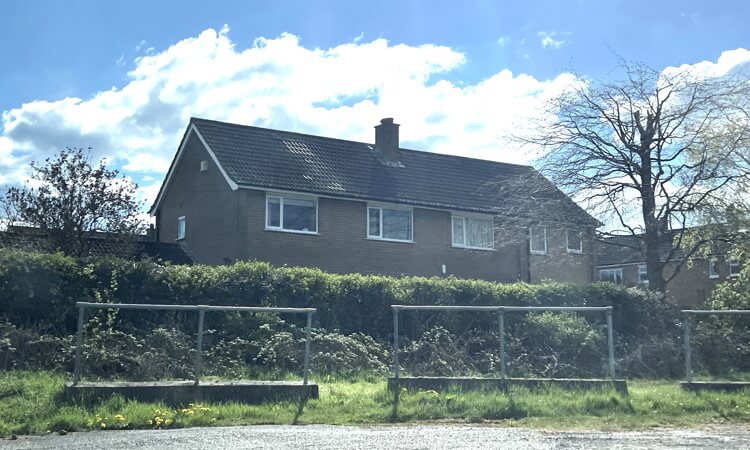
Bungalows are a smaller type of property that all share certain common features; it must be a single-floor home that has a sloping, typically tiled, roof. They are typically detached properties and usually have a front and back garden as well as space for parking a car.
It’s possible that some bungalows might technically have a second floor if the owner has converted attic space into another room, such as a bedroom or office.
The first bungalows built in the UK were constructed in either 1869 or 1870, according to Wikipedia. Demand for this type of home soared throughout the early to mid-20th century, and they remain a popular choice today.
Bungalows can be either freehold or leasehold properties depending on your situation. If you outright own the home and the land on which it was constructed, then you are the freeholder. If you only own the property for a specific amount of time – usually many years – and you pay the freehold an annual ground rent, then your bungalow is considered a leasehold property.
Whichever type of bungalow you own, keep reading to learn more about the pros and cons of trying to sell their type of property, and advice on to increase your odds of a speedy sale.
Reasons why buyers might want a bungalow
Having a good understanding of the benefits and drawbacks of owning a bungalow is important when you are preparing to sell your property. Knowing what buyers might consider to be the different advantages of owning a bungalow could help when trying to sell it, because you could promote these factors and draw from your own experience with living in the property.
No stairs: Because of their reduced size, bungalows can more manageable than larger properties, particularly for elderly people who might not want to have to use a staircase. That’s why they can be sought after by retired people, or someone who simply wants to downsize to a smaller home.
Easier cleaning: Because of their reduced size compared to conventional houses, bungalows can be much simpler to clean and keep in good condition because there is less square footage to look after and also fewer rooms that you have to worry about tidying.
Lower bills: It’s possible that you might also have lower utility bills with a bungalow, particularly for heating because there is less overall space that you have to keep warm. This can be an important benefit for people who are looking to downsize and live on a smaller budget.
Disadvantages of owning a bungalow
Although there are certain pros associated with owning a bungalow, these properties can also be seen negatively by some potential buyers for various reasons. Read about these possible cons below and this could help you to think of how to respond to people who come to your property and viewings and suggest that any of these issues might be a dealbreaker.
Limited space: Just as the smaller space can be appealing to some buyers, the fact you’re your bungalow has fewer rooms than a standard house might discourage interest from certain buyers, particularly those that might have larger families or are looking to upsize.
Planning problems: It’s possible that some prospective buyers might have an interest in purchasing your bungalow and then trying to build an extension on the same floor or add a second floor. They would need planning permission in order to pursue this work, and if your home doesn’t have this approval already then these buyers might just lose interest.
Maintenance costs: Although you could possibly have lower utility bills with living in a bungalow, this saving could be wiped out by the increased maintenance costs for the plumbing, roof and more than are often higher than they would be in a typical two-storey house.
Should you get planning permission before selling?
One issue to resolve before trying to find a buyer for your bungalow is whether you should go through the process of getting planning permission for it. This is a legal approval you seek from the local authority to construct an extension, new floor or other major structural change to your home.
Having planning permission for your property can sometimes help to increase how much buyers might think it’s worth. This is particularly true for people who are considering purchasing your bungalow with plans to build a second floor or alternatively keep it as a bungalow but add more rooms. They would need planning permission for such work, and if it is already in place then they will look on this favourably because you’ll be saving them a lot of time, money and stress.
But don’t think that having planning permission is absolutely necessary before trying to sell your home, because there are many private buyers that either will not want to make any physical changes to the property, or quick buyers like LDN Properties that are known for making competitive and fast for all types of homes no matter whether they have planning permission.
Preparing your bungalow for sale
The simple task of cleaning your bungalow can have a large impact on how quickly you’re able to sell the property. Getting the home ready for sale should include spending time on removing clutter, giving each room a deep clean, and making the interior look in its best condition.
As the property sales website Rightmove notes, dirty, cluttered and dreary looking rooms can make a property appear much less valuable to any potential buyers that are touring the inside and outside of the home on a viewing. Spending time and effort on making sure everything looks well-maintained can help avoid this outcome.
The same approach applies for the exterior of your bungalow, because you want to make sure that there are no visible problems that might cause some people to lose interest.
Outside, common issues that can be relatively quick, easy and low-cost or no-cost to address include replacing any missing roof tiles, fixing any broken windows, giving the front door or window ledges a fresh coat of paint, and mowing the garden or any other green space. This will great a welcoming first impression for people on viewings, which hopefully could result in the potential for getting more offers at greater prices compared to a badly maintained bungalow.
Another way that you could prepare your home for sale is by correcting any major problem that it might have, such as structural damage or an issue like elevated radon levels. It’s possible that some buyers will calculate how much it would cost them to fix the problem if they owned your bungalow, and then discount their offer by that amount, which would in turn unfortunately lead to a lower sale price.
Investing money, time and effort into repairing the fault could help to prevent this scenario from occurring, but it could also be a stressful amount of work that takes many months. If you are willing to take that chance then it is certainly one option available to you when selling.
Many homeowners will simply not have the resources on hand to pursue a potential long-term project to fix a problem before trying to sell. If that’s your situation then you should still be able to get a speedy and fair offer if you get in touch with a quick buyer like LDN Properties. These companies are experts at purchasing all types of homes, regardless of any problems, so you will be guaranteed to get a competitive offer selling the bungalow "as is" without any repairs.

Will you pay Capital Gains Tax when selling a bungalow?
It’s important that you prepare a budget for the sale of your leasehold or freehold bungalow, you should learn about Capital Gains Tax and whether you might to pay this charge.
The tax often applies to the amount that you might make when selling a property or any other kind of valuable asset, as a recent article in The Times notes. The tax, if it applies, will often be assessed on the profit made compared to the purchase price, and not on the sale price.
You could always have a conversation with a tax expert or other financial professional, as they might be able to find ways to reduce how much tax you owe.
Four top choices when selling your bungalow
If you are ready to find a buyer for your bungalow then you have four top choices from which to select – you can sell to a quick property buyer, sell at an auction, sell without any help, or sell through an estate agent. Each method has its benefits and some have noticeable downsides, for example taking over a year to find a buyer or making the seller pay large fees.
To find out which of these approaches might best work for your needs, write down what your top aims are with selling, including your preferred sale price, how long you can wait before getting a serious offer, and whether you can accept paying any commission. Then compare these details against the facts of each method below and you’ll be able to discover the closest match.
Sell to a quick property buyer
Quick buyers are companies like LDN Properties, founded in 2003, that make fast and fair offers to buy almost any home no matter its age, condition, location, shape size or type. They offer a streamlined way to sell your property that removes any possible stress from the situation.
It doesn’t matter if your bungalow has structural damage or any other issues that other people might consider a dealbreaking problem, because quick buyers will still give you a competitive offer for the property. By way of example, since 2003 LDN Properties has made many varied purchases that include flats located near busy junctions, vandalised homes, listed buildings, houses with absent freeholders, properties that are near power lines, flats that have noisy neighbours, houses that are in zones classified as at high risk of flooding, properties with damp, and more.
These companies are known as quick buyers because they have funds on hand to purchase properties immediately, without having to wait for many weeks or even months to first win approval for a mortgage that could cover the cost of the transaction. That cuts the typical timeline selling this way to a few short weeks, and it’s useful to know that this short schedule includes all of the key steps such as exchanging contracts and paying you the proceeds.
Also, honest quick property buyers will never make you pay any commission, which can help with keeping your overall selling costs low. Compare that to selling via an auction or estate agent, where you’ll pay fees that will be deducted right away from your final sale proceeds.
Sell at an auction
Auction houses are regulated by the industry association Propertymark and they are an uncertain way to try selling your bungalow. If nobody bids on your home during the auction then it will be unsold and you will have to begin again with trying to find a buyer, which could add many months on to the schedule.
You will need to choose a reserve price, and this is the cheapest value at which you are comfortable selling your bungalow. Choose a price that will hopefully still generate some profit from the sale even after paying the auctioneer their commission, because a single bid at the reserve price is deemed a binding legal agreement to purchase your home. The buyer could sue to enforce the sale of your bungalow if you later try to back out of the sale.
A situation where an auction can be a wise choice for selling your home is if you know that there will be several buyers interested in owning the property, because then they might try to keep outbidding each other during the auction by placing bids at ever-increasing prices on your home. But this is often unpredictable and not a strategy to count on for making a profit.
Auctioneers will charge you fees as a percentage of your home’s final sale price, and this pays for the work they do in selling the property – including creating a listing that describes the bungalow and includes photographs of it, and hosting the auction itself. You could possibly negotiate a lower fee with some auctioneers, or have the winning high bidder responsible for paying some of the costs associated with the process, so ask if this is possible.
This can be a slow way to sell a bungalow, as there will be a waiting period of many weeks or longer between when you decide to sell the home at an auction and when the auction actually takes place. Even if your property does sell on the day of the auction, the buyer will generally have about 28 days to sign their legal papers and complete all their other required tasks.
You might be able to convince some auctioneers to set a shorter deadline for the buyer to finish their required actions, but note that this is entirely at the auction house’s discretion.
Sell without any help
When you sell without assistance from a third party like an estate agent or auctioneer, you will be solely responsible for producing a listing, advertising it, organising viewings, showing people around your home, hearing offers and hopefully taking one all the way to completion.
This is a major undertaking and will require a lot of your time, along with being potentially very stressful and expensive with money you’ll have to spend on promoting your listing. Unless you have previous experience with selling a property, or have a similarly skilled friend or family member open to helping you sell the home, you should consider using other methods.
The only prominent benefit of selling this way is not having to pay any fees, but you can achieve precisely the same result yet without any stress if you sell your bungalow to a quick buyer. These companies promise to not charge you any commission when purchasing your bungalow, and the process is incredibly simple and will not create any stress or hassle for you.
Sell through an estate agent
Another way to sell your bungalow is by enlisting the help of an estate agent, who will create and advertise the listing, schedule and typically lead any viewings, and be responsible for hearing any serious offers from buyers, hopefully through to the exchange of contracts.
For doing all of this work, the average estate agent will charge you commission on the final sale price of your property – although some companies might set higher or lower rates for their fees. This will increase your selling expenses as the commission is taken out of the eventual sale proceeds.
You’ll find that selling with an estate agent is not a very swift way to find a buyer, because your bungalow might be sitting unsold on the market for more than an entire year. If your main priority is selling as quickly as feasible, you should consider some of the other methods.
It’s also possible that some estate agents might tell you they can get a very attractive price for selling your bungalow, even if privately they understand that you’ll only be able to attract offers from serious buyers at a much lower price. The reason for doing this is to encourage you to sell your home using their services, so that they can charge you commission if they find a buyer.
Thankfully, there are some simple steps you can pursue to avoid ever falling for this trick. First, look on property sales websites and note the current and past sale prices of bungalows like yours, particularly those in your neighbourhood. Second, contact many estate agents and ask them for free quotes of the sale price that they think your bungalow could achieve. Finally, calculate the average of all these figures for a more accurate estimate of the potential sale price that you might be able to get for your leasehold or freehold bungalow.
Top queries and answers about selling a bungalow
Homeowners thinking of selling their home quickly typically may have some essential questions that need answering, ranging from the size of property we can buy through to selling to a housing association. Here are some of the top questions we’re asked about selling a bungalow: