
Quick navigation
If a homeowner dies and names someone in their will to handle their estate, including the sale of their house or flat, they will typically need to initiate a process known as probate to start the process of selling any property. However, as the guide below explains, there are options for selling such a home before probate has begun that can be quick and simple.
- What is the definition of probate?
- When is probate required and when can it be avoided?
- The average timeline to sell a property through probate
- Potential problems with selling a home ahead of probate
- Checklist for selling a home before or during probate
- Options to find a buyer for a property before probate
- Top questions and answers about selling a house ahead of probate
What is the definition of probate?
Selling a probate house or flat can sometimes be a lengthy and complicated process, although it doesn’t need to be. But before diving into the specifics of probate and how it affects selling the home of someone that has recently died, it’s useful to have an understanding about what exactly probate is.
As the UK government’s website explains, probate is when someone has legal authority to handle the estate of a person when they die. An estate consists of whatever money, possessions and property that the deceased person owned, and the person or people responsible for handling the fate of the estate are known as executors.
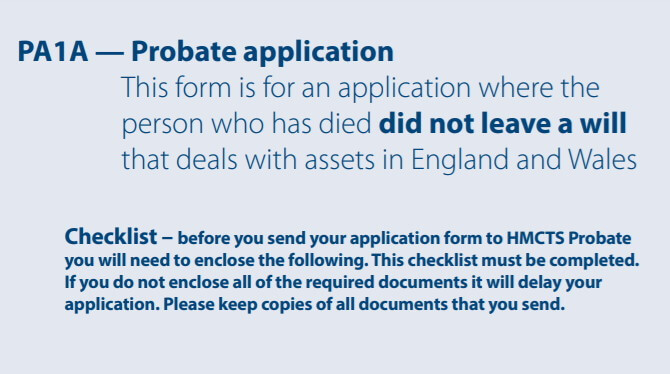
In many situations, the executor(s) will be explicitly identified in the will of the person who has died. Alternatively, if the deceased person has a living spouse then they are likely to take on the role of executor. And in those situations where the person that died had neither a spouse nor a will, you would have to file a request for what’s known as a "grant of representation" in order to get legal authority to access their finances, such as their bank or savings account. You can use their money to pay for any funeral expenses, and the costs of selling any property they owned.
Probate involves resolving all loose ends of an estate, including settling any outstanding debts that the deceased person might have had, as well as addressing all other personal and business affairs. After this has happened, the executor(s) can then hand the assets from the estate – such as a freehold property – to the estate beneficiaries named in the will.
Note that the probate rules specific to England and Wales are those discussed in this guide, because different regulations apply for estates in Scotland and Northern Ireland. Please consult with a legal professional who handles probate before making any decisions. This article is not intended as guidance.

When is probate required and when can it be avoided?
As a general rule, the government advises that if you’re put in charge of probate for an estate then you should not make any formal financial decisions – such as listing a home for sale – until you formally receive probate authority. But as you’ll see later in this article, having probate start is not a prerequisite to selling an estate home, and you can start that process earlier.
And there are some situations in which you might be able to avoid probate entirely, although it’s always worth double-checking with a legal expert before making any final decisions.
If someone who died was the sole owner of a house or flat, and you are the executor of their will, then you will likely have to wait until probate is completed before the house can be formally sold, contracts exchange, and the proceeds from the sale paid to you from the buyer.
If someone has died and was a joint owner with several living people of a house or flat, you might be able to avoid probate entirely because the ownership should automatically be inherited by them. The same is true of any land that the deceased might have owned with people who are still living, because it’s highly likely that the deceased person’s share of that land will pass on to the living joint owners.
For example, should a person die and leave behind a spouse that is named jointly with them on the property’s title deeds, then the home will usually transfer directly to the living spouse, who can then choose to sell the house or flat before probate if that’s what they would like to do.
If a couple owned a property as joint tenants and did not own specific shares of the home, the deceased person’s ownership will similarly transfer to the living spouse. This would make the surviving partner the sole owner of the home, and they may then be able to sell it without probate.
But the outcome is different if the couple owned a house or flat as tenants in common, which means they would have separate shares in the property that could be of differing percentages. When one of the owners dies, their share does not automatically transfer to the surviving spouse. Instead, it will be passed on to whoever is named in the deceased person’s will as in line to inherit the share. In this case, probate will have to happen before the home can be sold.
Knowing whether you’ll have to formally request probate authority for selling a deceased person’s home will depend on certain factors, such as the time of the person’s death, as well as the state of their finances. For example, if the deceased homeowner was heavily indebted to their mortgage lender and had fallen behind on repayments, the company might be able to attempt repossessing and selling the home to help clear the dead person’s debts. As has been clearly stated throughout this document, be sure to consult a legal professional for specific advice.

The average timeline to sell a property through probate
It can take up to a year for the probate process to be completed, according to an article by the HomeOwners Alliance, which represents the interest of UK property owners. But probate can take more or less time depending on the individual circumstances of a particular estate.
In the same article, the organisation says that it’s advisable to get in touch with a mortgage lender if the deceased person was still making repayments for a mortgage on their property. Lenders are usually understanding in such situations and they are likely to provide some flexibility on meeting monthly mortgage repayments until the estate is formally resolved.
The HomeOwners Alliance notes that there is “very little” that an executor can do with an estate property during the average 12 months of probate, and that is true as far as the executor being unable to demolish or make major renovations to a home, and other major tasks. But if you have been named as the executor of a will then there is typically nothing outlined in law that would prohibit you from at least attempting to find a buyer for the deceased person’s home.
The reason why probate can take such a long time is because there are many steps in the process, as explained by the chartered accountancy firm UK Probate. These steps include everything from an initial assessment of the value of the estate, identifying and contacting beneficiaries, applying for probate itself, and more.
Probate typically involves the following five steps:
1. As the executor of the will, you will have to contact an expert – such as a probate solicitor — who can help you to identify all of the assets such as property that the deceased person owned. Doing so is essential before you can get an estimate of how much the entire estate is worth, and knowing this value will also tell you whether the estate exceeds the threshold at which inheritance tax would then apply.
2. Inheritance tax is usually charged at 40 percent of any value of an estate that exceeds £325,000 (be sure to check current thresholds and tax rates as these may change). So if someone dies and leaves behind a £425,000 property and it manages to sell for exactly that value, whoever is slated to be the beneficiary of the sale of the property would likely have to pay inheritance tax on £100,000. Even if inheritance tax doesn’t apply, you need to submit such a declaration to the UK government. Failure to submit an inheritance tax return either way can result in you being charged a penalty. During this step, your legal professional will formally request a grant of representation from the Probate Register, establishing the formal legal authority to handle the estate.
3. The bulk of the months-long waiting during the probate process happens during this stage, although this is also the time at which you can generally sell a house or any other assets without restriction. If you’re the executor, you can also use any remaining money from the estate to pay off any debts or other liabilities that the deceased person had.
4. At this point, your legal professional will develop a statement of accounts that is essentially a budget which details the estate’s outgoing and incoming payments. The money left over from the sale of property and other belongings will then be processed for distribution among whoever is listed as a beneficiary in the deceased person’s will.
5. This is the final part of the probate process, and is very quick. All that happens is a final assessment to ensure there are no pending legal challenges filed against the estate. If no such challenges exist, the assets are finally transferred to the will beneficiaries.
Potential problems with selling a home ahead of probate
Trying to find a buyer for a deceased person’s property before probate might seem like a good idea to speed up the process, because it could help you to have an agreed buyer in place as soon as probate is completed rather than having to wait months to begin that search. But there can be a few disadvantages of trying to sell an estate home before probate has started.
Legal challenges to the estate can occur at any point during the probate process, and some beneficiaries might not know they are listed in a will until it begins. Similarly, people who thought they had a stake to a deceased person’s property in a will but are not named as beneficiaries might try to sue once probate begins to challenge that outcome. These lawsuits can complicate the sale of a property if you finalised one before even seeking the authority probate gives.
As an executor, you will also be responsible for ensuring decent upkeep of an estate property until probate is granted and completed. Therefore, even if you sell the home before probate, the buyer likely won’t be able to formally take ownership until after probate is completed. During that time you will have to pay for any maintenance or other repairs at the property, along with cleaning and other expenses.
You can also expect a lot of detailed and complicated legal paperwork for trying to sell a home before probate compared to waiting for the process to start. For some people this can be too frustrating to handle, but a skilled solicitor should be able to help you navigate this work.
And just because you list a house or flat for sale before probate has begun, there’s no guarantee that you will receive any serious offers until the process is formally approved. This can add to your stress, because having a home unsold for many months can be a discouraging situation for anyone – and particularly for executors of a deceased person’s will.
Checklist for selling a home before or during probate
Whether you aim to sell a house or flat before or during the probate process, there are some very simple steps that you need to take to check whether you will have to wait for probate before attempting the sale.
You first step on the checklist should be to get in touch with whichever financial organisation that the deceased person used, such as their mortgage lending company, because they will be able to tell you with certainty whether you need probate in order to access the finances. Note that each company has its own policies on the probate process, which is why you need to ask.
The potential exemptions to this check outlined earlier in this guide apply, namely that you might be able to avoid probate if the deceased person was a joint owner of property, land, money or shares, because the surviving joint owners will automatically receive the deceased’s assets.
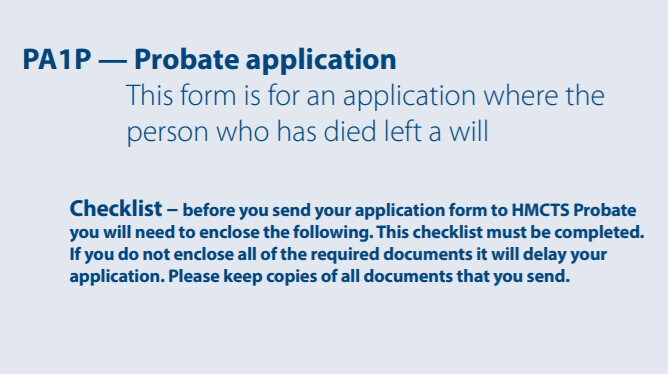
And the second of the two main checks that you’ll need to do is to find out whether you are authorised to apply for the estate probate. Only some people are allowed to file such an application, and their right to do so can rest on whether they are named in a will. If the person that died left a will with specific names of executors, they can then apply for probate. If there is no will, then the closest living relative to the deceased person can usually seek probate.
Options to find a buyer for a property before probate
If you are planning on selling a property before the probate process begins, you will usually have to choose between trying to find a buyer using an estate agent, using an auctioneer, or using a fast buyer such as LDN Properties. Each approach has its own pros, and some methods have certain disadvantages, depending on the wants and needs of the seller.
Consult the summaries of all three approaches below to determine which option for selling a property before probate might be best for your specific situation. Always plan a budget when trying to sell a home that gives honest statements of the amount of time you are willing to wait to find a buyer, how much profit you hope to make from the sale, and other key factors. Being honest through your budgeting will help you to settle on the best choice for selling the home.
Using an estate agent to sell a home before probate
When you sell your home using an estate agent, they’ll craft a listing that shows off the best of your property with photographs of the exterior and interior, alongside text describing the main features of the house or flat such as the total number of rooms and bathrooms. The estate agent will advertise this listing in local media, online, and in their office. And they will also be responsible for scheduling viewings where potential buyers come to see the home.
Some homeowners say that they find viewings to be very inconvenient and to take up a lot of their free time. And there are no promises about when you’ll find a buyer for your home, because you might be waiting several months or possibly more than a year for a serious offer.
Estate agents will also charge you fees for the effort of selling your property, often based as a percentage of your home’s final sale value. You’ll have to subtract this amount of commission from the total sale profit, which can be a big setback if your number one goal when selling is maximising your profit.
Using an auctioneer to sell a home before probate
Auctioneers also put together listings for properties and market them in order to generate interest from prospective buyers. They will have you agree to a reserve price, which is the minimum value at which you are happy to sell your home. Be sure to choose a price at which you’ll still make a profit even after subtracting whatever fees the auctioneer will charge.
Some people like auctions because there is always the chance that many people might want to purchase their home, and therefore they’ll try to outbid each other by offering escalating prices for the property, resulting in a decent profit for the owner. But there is no certainty that this will happen. You might only get one bid at the reserve price, yet your home will still be considered to have sold because the bid is deemed a legally enforceable agreement to purchase the property. And no bids means your home doesn’t sell and you’ll have to start the process all over again.
Also, you will have to pay auctioneers fees if it successfully sells, which will reduce the net sale profit that you can expect to make. Some auctioneers let you pass on certain fees to the winning high bidder on a property, so you should ask companies for their specific policies on this in order to potentially avoid some costs.
There’s often a wait of a few weeks between the day on which you agree to list your house or flat for sale in an auction and the day on which the sale itself takes place. And if someone does buy your home at auction, they generally have about 28 days after the auction to complete the sale, which can be a further delay. Some auctioneers set a tighter post-auction deadline for finalising the sale and others allow more time, so check each company’s specific policy.
Using a fast property buyer to sell a home before probate
Or you could think about selling an estate’s house or flat to a fast buyer such as LDN Properties, which has been buying all ages, shapes, sizes, types and conditions of homes across London since 2003. We offer a streamlined, no-hassle and stress-free way to get competitive and speedy offers for selling freehold and leasehold properties.
Fast buyers can usually complete the process of buying a home in just a handful of weeks, which is often much swifter than the time it takes to sell a property through other means. This can be particularly advantageous for executors of a deceased person’s estate who are looking to sell as quickly as they can in order to rapidly distribute the assets to named beneficiaries.
And unlike estate agents or auctioneers, legitimate fast home buyers will never charge homeowners any fees for selling their properties. That means executors can budget accordingly with the knowledge that they will get to retain all of the profit from whatever purchase price we offer for a house or flat owned by a deceased person that you want to sell before probate.
Our vast experience with buying homes means that there are few restrictions on when we can make an offer, which can be a great boost for executors of estates with properties that might have features that could make a sale more difficult. For example, in the past we have purchased houses with subsidence or other significant structural problems, homes with dry rot, dilapidated properties, houses that are suffering the invasive species Japanese knotweed in the garden, flats that have potentially dangerous cladding, and homes that are constructed from non-standard material such as concrete, among a long list of many other property situations.
We have a long list of very happy customers who have welcomed our fair and fast valuations of their homes, which we always make based on a trusted set of criteria. We’re happy to share in detail with you the reasons behind our quote for buying an estate property ahead of probate, but some of the common factors that we look at are advice from home valuation experts, looking at the pros and cons of living in the neighbourhood where the estate property is located, checking whether the deceased owner made any physical changes to the home such as a renovation that might have raised or lowered its sale value, and asking the local planning authority to see whether they might have any documents that could be relevant to the estate property.
Top questions and answers about selling a house ahead of probate
Anyone considering selling an inherited property quickly often has questions for us, ranging from the extra costs to clear a property through to selling a home in poor condition. Here are some of the common questions we’re asked about selling a house before probate:
Your questions answered when selling a house before probate
Generally, yes you have the ability to advertise a property for sale before the official probate process has begun and you can even accept offers from buyers in advance. However, there are some situations that can restrict your ability to pursue the sale of a home ahead of probate, including tenants in common or where several living people might have a stake in the property.
No, you will likely only have to pay fees for selling a home before probate if you use an estate agent or an auctioneer. Estate agents and auctioneers charge commission often based on a percentage of your home’s sale value. But fast buyers like LDN Properties will never charge you any commission.
Using a quick property buyer is likely your best option, because the reputable companies can complete the purchase of a home in just a few weeks. By contrast, you can expect a wait of at least a couple of months when selling your property through an auctioneer. And estate agents can sometimes take much longer, possibly even more than a year, to sell a property.
Depending on the property you can experience some drawbacks of selling a house or flat before the official probate process has begun. For example, you might be responsible for many months for the general maintenance of a house that sells before probate, until the process can be completed. This can be an expensive and time-consuming, and unwelcome, outcome.
There is no set schedule for how quickly you can sell a home through probate, and the timing will depend on what method you use for finding a buyer. But note that you can expect to wait between 12 and 14 weeks for probate to be granted, so you should take that into account as you plan the amount of time and money that you can spend on waiting for a buyer.
No, although probate is a necessary part of the process of selling the properties of people who have died, it is not required in every circumstance. For example, you might be able to avoid probate entirely if the person who owned the property and has passed away only had savings, or jointly owned the home because it will pass on automatically to the living owners.