
Quick navigation
This guide will walk you through everything you need to know if you’re the owner of a prefabricated Airey freehold or leasehold house and you’re looking to sell the property. We’ll explain how these homes can sometimes be much harder to find buyers for than other properties, as well as offer tips on how to potentially still get a fast and fair offer for the home.
- What is an Airey house?
- Problems associated with Airey properties
- Can a buyer get a mortgage for an Airey home?
- Renovating your Airey home before selling
- Can you sell an Airey property as is?
- Your options for selling an Airey house
- Top questions about selling an Airey home
What is an Airey house?
Airey houses are one type of prefabricated property, which means that the core structural elements of the home were constructed offsite and then assembled at a building site. These houses can be cheaper to build because there is a reduced need for excavating the ground at the construction site.
The specific style of concrete property known as an Airey home is named after Sir Edwin Airey, a civil engineer and industrialist who came up with the design for this type of property.
Construction of prefab homes like Airey properties can also be very fast compared to conventional building. As a result, Airey houses and other prefab homes were in high demand starting in 1945 as a solution for the problem of inadequate housing in rural parts of the UK, as Wikipedia explains.
More than 26,000 Airey homes were constructed across the UK, all sharing the same semi-detached two floor design. Some Airey properties were designed to be used as two separate flats with the potential for converting the building into a single home in the future.
The homes can be freehold, where you outright own the property and the land on which it was constructed, or leasehold, where you own the home for a specific number of years in exchange for paying an annual ground rent, as detailed in a lease agreement with the freeholder.
Demand for Airey houses effectively ended in 1955, as developers started to focus on other more durable and effective processes for building properties.
But these homes can still be found in several parts of the UK, and if you’re the freehold or leasehold owner of an Airey house then this guide will explain the challenges that you could face in trying to sell the property, as well as advice on improving your potential for a sale.
Problems associated with Airey properties
Unfortunately there are several known problems associated with Airey properties, mostly based on their structural integrity and the fact they do not comply with modern building regulations and standards. This can not only make these homes uninsurable, but it also makes it hard to attract buyers.
Although Airey houses were cheap to construct, the material used is not as durable and stable for the long-term compared to properties built using traditional methods.
As a result, Airey homes have been particularly susceptible to damage as the result of major storms or other significant weather events, and this can appear in several ways. One of the most prominent structural issues with Airey properties is that bad weather can damage the home’s cladding, in turn causing corrosion and rust of the steel used to build the house.
Damage to the steel reinforcements used at an Airey house can in turn negatively affect the structural integrity of the concrete elements of the property, causing further problems.
A law known as the Housing Defects Act 1984, which was itself incorporated into a later law called the Legislation.gov.uk Housing Act 1985, included Airey houses among listed types of prefab and other properties that are considered "defective" and therefore do not meet the latest regulatory requirements for a habitable home.
As the next section of this guide explains, this definition underscored the structural concerns about Airey houses, whilst making it very difficult to get a mortgage for buying these homes.
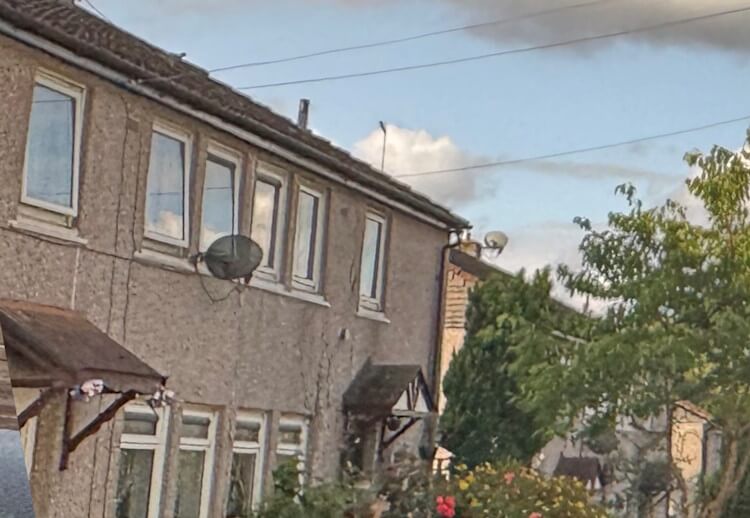
Can a buyer get a mortgage for an Airey home?
Unfortunately, the structural problems involved with Airey houses mean that the vast majority of these homes will not be eligible for a mortgage because of lenders’ concerns.
Specifically, mortgage providers want to know that they will not face any difficulties in trying to resell your home in the situation where someone takes out a loan to buy your home but then defaults on the monthly mortgage repayments, and the lender then has to seek another buyer for the home so that they can recoup their losses through the eventual sale proceeds.
Because Airey properties are already considered very difficult to sell, this reputation and the structural problems with the home could be enough to make lenders refuse to grant mortgages.
If a potential buyer needs a loan to cover the cost of purchasing your property, but cannot get a mortgage from a provider due to the fact that it’s an Airey house, then this runs the risk of making your home unsellable.
But don’t panic if this is your scenario, because even though conventional buyers might not be able to purchase your property without a mortgage, you have other options.
In particular, you could get in touch with a quick home buying company, like LDN Properties, that has plenty of history with making speedy and fair offers to purchase almost any type of freehold or leasehold property regardless of its age, condition, location, shape or size – and that includes Airey houses as well as a long list of many other different selling situations.
Renovating your Airey home before selling
One way to address concerns from buyers and mortgage lenders about your Airey house would be to pursue renovation work in order to make sure it meets present day requirements.
The work done to modernise an Airey house can include replacing the concrete used in the construction of the home, adding new insulation and various other steps.
By committing time, money and effort to a renovation, you will be directly addressing the structural issues that might be complicating the sale of your property. Removing this problem entirely could increase the number of people that might be interested in making an offer.
But this can be an incredibly expensive and lengthy process, and the typical repair and renovation of an Airey house to bring it into compliance with modern building regulations could be at least £40,000, according to the website Checkatrade.
If you are among the many homeowners who simply do not have the funds or time available to renovate your Airey house before selling, there are still ways that you can attract prospective buyers to be interested in your property, as outlined in the rest of this guide.
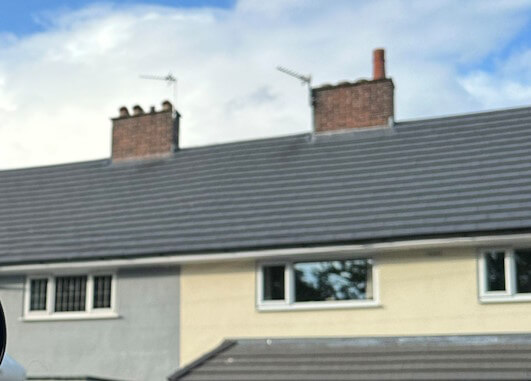
Can you sell an Airey property as is?
Selling your Airey house "as is" – meaning you don’t invest in any renovation work – is one option, and there are ways to still get a competitive and fast offer when selling this way.
For instance, you could get in touch with LDN Properties or any other quick buyer that has experience with making offers to buy Airey houses. These companies should give you a decent offer along with the promise of being able to complete the purchase of your property within just a few short weeks, and that includes that time that it might take for the exchange of contracts.
It’s also possible that you might already have had renovation work done at your Airey property in order to meet current requirements, but will not do any more work before trying to sell.
If you have previously had work done to renovate your Airey house and bring it up to modern standards, you could consider obtaining a Precast Reinforced Concrete (PRC certificate), where an approved inspector would assess your home and deem that it is safe and habitable, as the website sold.co.uk notes. A potential buyer could then use this certificate to make the case for being granted a mortgage, because it should remove the lender’s concerns about the property.
Your options for selling an Airey house
When you are ready to seek a buyer for your freehold or leasehold Airey property, the next step is deciding how you’d like to sell. The four usual choices are selling with an estate agent, selling at a property auction, selling to a quick buyer or selling without any assistance.
You will see below that there are unique pros of some of the methods, for example quick buyers only take a few weeks to finalise the purchase of a property. And other options have some rather prominent cons, such as the fees that auctioneers and estate agents charge.
To find out the most suitable choice for your unique situation, it can help to write down your main aims with selling, like your ideal asking price, the speed with which you’d like to sell and whether you are prepared to pay any commission if needed. Then you should compare these aims against the details of the methods below to find the best match for your situation.
Selling with an estate agent
When you sell your Airey home through an estate agent, you will not have to put much effort into the process. That’s because the estate agent will do most of the tasks, such as preparing a listing that describes your property and features photographs of it, advertising that listing in their office, online and in local newspapers, organising viewings to give interested buyers a tour of the property’s interior and exterior, and fielding serious offers, hopefully securing a sale.
This is a very long process and you should be prepared to wait many months, or even more than an entire year, before you’re able to get a serious offer from a buyer.
Note also that even if you get a decent offer, the buyer could rescind it and walk away from the sale without any penalties until you have exchanged contracts. This would effectively reset your search for a buyer, and that could mean you are waiting many more months to sell.
Estate agents will also require that you pay them commission if they are able to sell your home, and this is often charged based on of your property’s final sale price. This will boost your selling costs because the fee is taken immediately out of the sale proceeds, so if you’re looking to lower your expenses then no-fee selling options are available.
You might find that some estate agents also have never sold an Airey house before, and this suggests that they could potentially find it hard to get buyers interested in your property. You should ask individual estate agents about their track records in selling Airey homes at competitive prices, and avoid using companies that don’t have this type of experience.
Selling at a property auction
Auctioning your Airey home is another method that will require that you pay fees, and these are usually charged based on whatever price your property sells for at the auction.
Some auctioneers might be open to negotiating charging you a reduced amount of commission, or at least agreeing to have the winning high bidder pay for some of your auction costs.
You will need to pick a reserve price, which represents the lowest price at which you are willing to sell your home. If nobody places a bid at this price then your home will be deemed unsold and you’ll have to begin again with trying to find a buyer, slowing the process even further. The goal is to have several people interested in your property, so that they keep trying to outbid each other with ever-increasing prices, resulting ideally in a decent profit for you.
Should someone place a bid at the reserve price then this is a binding legal agreement to sell your home, and the buyer could sue to enforce it in the event you try to walk away from the sale. That’s why it’s imperative to select a reserve price that should still generate a decent profit from selling your home, even after the auctioneer has deducted their fees from the sale proceeds.
If you’re looking for a speedy way to sell your home then you should look at other options, because the auction process can be quite slow. You will have to wait for many weeks or months between the day on which you decide to sell your home and the day on which the auction happens. Even if your property sells at the auction, the buyer then often has about 28 days to complete all of their required tasks, such as signing important legal documents.
You might be able to persuade an auction house to reduce the amount of time they give for the buyer to complete their mandatory actions, so it can be worthwhile asking. Just beware that some companies might give the buyer even more time than 28 days for their tasks.
Selling to a quick buyer
Another way to sell your Airey house is to a quick buyer, which is a company that has the funds available upfront to immediately purchase properties. They do not therefore have to wait for many weeks or even months to get a mortgage to cover the cost of the purchase.
As a result, the average quick buyer is able to exchange contracts, pay the seller their sale proceeds, and complete all the other important steps for purchasing a home within a few weeks. That’s much speedier than the typical timeline with using any of the other three selling methods.
With a quick buyer, you are also promised an honest and competitive offer price regardless of your home’s age, condition, location, shape, size or type – even if it is a prefab property.
LDN Properties, for example, has been buying and making offers on homes across the UK since 2003 including Airey houses as well as properties with old wiring, houses that have a Japanese knotweed infestation in the garden, flats with noisy neighbours, probate properties, homes that have high levels of asbestos, flats that have a bad roof, properties with solar panels, houses that don’t have structural warranties, flats without planning permission, and other examples.
An additional perk with selling to a quick buyer is that the honest companies will never make you pay any commission when purchasing your property, which helps lower your expenses. But if you sell via an estate agent or auctioneer then this will increase your overall selling costs, because they will charge fees that they will subtract from the eventual home sale proceeds.
For your additional peace of mind when selling to a quick buyer, you should ask individual companies if they are members of the independent organisation known as The Property Ombudsman (TPO). TPO writes policies, which all members must follow, that are crafted to hopefully protect homeowners against falling victim to scams in the quick buying industry.
To check the membership status of any quick buyer, just visit TPO’s website and then click on the "Find a Member" tab on the left of the main page, then type in the name of a company. If they are truly registered with TPO, you will be shown their membership details and you will have the reassurance that they are a legitimate company. If the company is shown to not be a member of TPO then you should not sell your home to them because it could be a scam.
Selling without any assistance
Perhaps the most time-consuming and stressful way to sell a home is by yourself, which means that you’ll have to do all of the tasks required to find a buyer – from the creation and advertising of a listing through to organising viewings and hearing offers from serious buyers.
This will take up a lot of your time and it’s not recommended as an option unless you have had past success with selling an Airey house, or there might be a skilled family member or friend who is willing to assist you at no cost. Otherwise you risk pursuing a very tiring approach to selling a home that is also one of the slowest, as it may take over a year to find a buyer.
Remember also that buyers can withdraw their offers and not face any penalties, just up until contracts are exchanged. If that bad outcome happens to you, you’ll then have to start over with trying to locate a buyer, which could add many more months to the final schedule.
Selling without any assistance does have the pro of not having to pay an auctioneer or estate agent any commission, so you’ll avoid that expenses. But you’ll face separate costs in the money spent to advertise your listing and otherwise get your home ready for sale.
If you would like to not only avoid fees but also secure a speedy sale, you should instead consider selling your property to a quick buyer like LDN Properties. These companies promise to never charge owners any commission when buying their homes, but they can also finish the process in a few short weeks, which is much swifter than trying to sell on your own.
Top queries and answers about selling an Airey house
When you’re a homeowner considering a quick sale, you may have some questions that need answering, ranging from the types of property you can sell through to selling a car repair garage. Here are some of the top questions we’re asked about selling an Airey house:
Your top questions when selling an Airey house
They are a particular type of prefabricated residential property that proved popular between roughly 1945 and 1955 when an estimated 26,000 homes were built in this style. The design was created by the civil engineer and industrialist Sir Edwin Airey, and the prefab nature of the properties meant that they could be built much cheaper and faster than other homes.
The relatively cheap material and the concrete used in constructing Airey properties has led to structural problems over the long term, leading the UK government to ultimately deem these homes to be defective as they do not meet modern housing requirements. The biggest consequence that can happen as a result is damage to the home’s structural integrity.
It is not impossible but it will be very difficult because mortgage lenders will be worried about the physical integrity of the property. They might refuse to grant a loan because they will have concerns about their ability to resell the home in the future if required, in a situation where the buyer defaults on the loan and the lender has to seek another buyer to recoup its costs.
Whether or not you would like to spend effort, money and time on renovating your Airey house before seeking a buyer is entirely your decision. But you should not overextend your budget on such work before selling, as it can cost at least £40,000 and take a very long time. You can still sell your home as is without any new work by contacting a quick property buyer.
Not if you attempt to sell the home on your own without any third party assistance, or if you sell the property to a no-fee quick buyer such as LDN Properties. But you will be required to pay commission, which will increase your overall selling expenses, if you attempt to sell your property either through an auction or using the services of an estate agent.
You should get in touch with a fast home buying company, like LDN Properties, because they have the ability to finalise the process of purchasing almost any home within a handful of weeks. The three other typical options for selling a home, which are using an estate agent, selling at an auction or selling on your own, can all take many months at least, if not longer.
Yes, you can visit the website of The Property Ombudsman (TPO), an independent organisation that issues regulations to protect homeowners from fraud in the quick buying industry, and search the name of individual companies. TPO will list genuine members like LDN Properties, but if the company you’re looking for does not show up then you should be careful if selling to them.