
Quick navigation
If you are a builder who is developing a house or flat, or someone who has committed to buying an under-construction property, these are known as off-plan homes. They can sometimes be harder to sell than leasehold or freehold properties where construction has been completed, but if you follow a few straightforward steps then getting a fast and competitive offer is possible.
- What are off-plan houses and flats?
- Reasons buyers might want your off-plan home
- Potential cons when selling an off-plan property
- Should you complete your off-plan home first?
- Capital Gains Tax and selling off-plan properties
- Options for selling your off-plan flat or house
- Top questions about selling an off-plan property
What are off-plan houses and flats?
Off-plan properties (See Homeowners Alliance article) can be leasehold or freehold houses or flats that you are either building but have not completed construction work on, or have committee to buy from someone building it. The key common element that these two situations share is that the home is not yet fully built. This article from Which discusses off plan properties at length.
This type of home can be located anywhere in the UK and there can be a number of reasons why someone who owns an off-plan property wants to sell it during construction.
If the owner is a developer who is building the home with a view to selling it to make a profit, they could potentially have run out of funds to complete the construction and therefore need to find a buyer for the property in its current state. Or the builder could have experienced a major situation in their private life, like a divorce or birth of a child, and they want to sell so they can devote their time to that. Or it could be as simple as selling before the property is finished to allow the finished specification to be selected by the buyer.
Alternatively, the owner might be someone who originally planned to move into the property once the builder completed their work. Often building companies will try to sell their under-construction homes even before they are finished, and in this case someone can make an offer to buy with a commitment to move into the property once it is fit for people to live in.
There can be several reasons why a person who has bought a commitment to buy an off-plan home wants to sell that ownership on to someone else – including personal reasons like changes in their family situation, or getting a job that requires moving overseas.
Regardless of which of the two ownership situations you currently have, builder or committed buyer, this guide will walk you through the information that you need to know in order to improve your prospects of being able to get a competitive and rapid offer from a buyer.
Reasons buyers might want your off-plan home
Part of the property selling process is understanding the reasons why potential buyers might either have an interest in your off-plan home (See this Wikipedia article for more information on off-plan property) or not want to buy it. Understanding these factors can help with trying to sell, because you’ll be better situated to answer any potential concerns or questions that buyers might have.
The quicker that you are able to respond to queries from potential buyers, the more chance that you can keep them interested in possibly purchasing your property. The longer that they have to wait to get answers, the greater the risk that they no longer want to make an offer.
Working in your favour when trying to sell an off-plan home are several issues:
Popular location: Houses or flats that are located in high-demand areas, such as busy city centres, have a better chance of selling faster than those in other locations. If your off-plan home is in a popular location then it might be easier to sell it even half-built.
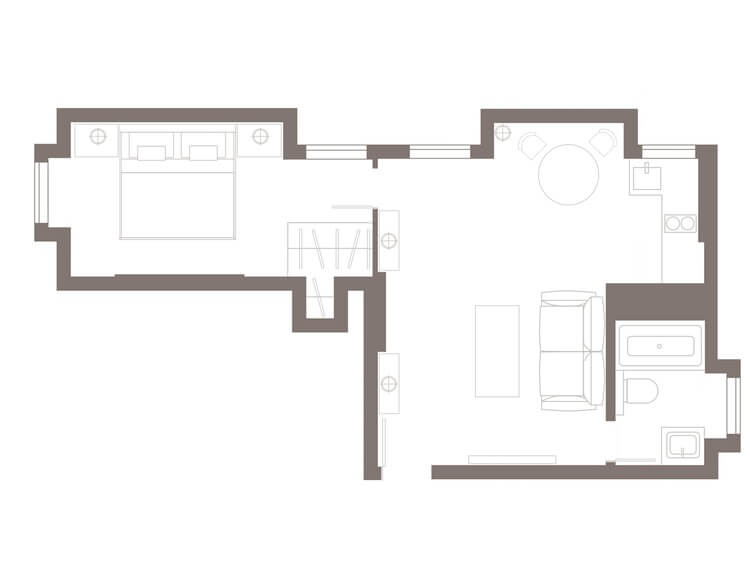
Good floorplan: Off-plan houses or flats are, by their design, new properties and that means they could have a more modern floorplan that is seen as very favourable by those prospective buyers who are only in the market for new builds and not homes built many years ago.
Buyer’s input: People who might be interested in purchasing your off-plan home could like the potential for them to have more input into how the construction is finished, and having this type of influence on how the property will eventually look can be a big draw for some buyers.
Potential cons when selling an off-plan property
Unfortunately, just as there are several advantages when selling an off-plan home, you will find there can be a number of concerns when selling.
These issues can be problems that you might be able to address or that might be outside of your control, such as the location of the flat or house. But knowing these factors and having answers to them might help to boost your potential of securing a sale:
Unenviable location: Just as a popular location can help with making it easier to sell a flat or house, the opposite is true if your off-plan property is situated in an area where demand is low for homes, or in a problem location such as being built next to railway lines.
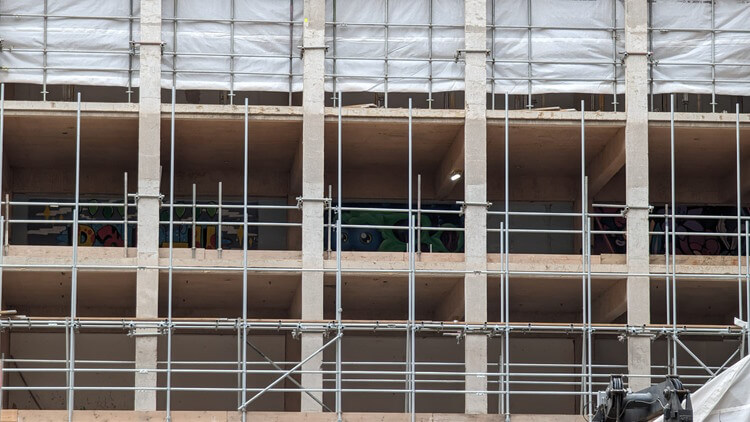
Too much unfinished work: Because the home hasn’t been completed, buyers might be wary about how much construction work remains and the uncertainty involved in what the finished property will look like, or it could take too long for them for the building to be completed.
Lacking certifications: Unfinished homes often lack various required documents, such as a gas safety certificate. People might be nervous about buying properties that don’t have such certifications already.
Should you complete your off-plan home first?
If you’re the owner of an off-plan property and are thinking about selling it, you might have the opportunity to decide between selling the home uncompleted as is or finishing the work first.
There are pros and cons of both approaches, and whether or not selling the off-plan home immediately or waiting until you complete the construction work will be a decision unique to your situation and needs. But generally some buyers might consider a fully completed property to be worth more than one that still needs a lot of expensive construction work to complete.
That’s because these buyers might be considering how much money it could take them to finish the work on the property, and they will want to discount their offers on your off-plan home by that amount. If instead you decide to complete the work on the house or flat before seeking buyers, this will remove the potential for people to justify making lower offers.
However, many owners of off-plan properties might lack the time, money, effort or all three necessary to complete the construction work on the flat or house. If that’s the case, the good news is that there are still ways that you should be able to sell the home quickly.
You could get in touch with a fast buying company like LDN Properties, because they have plenty of experience with purchasing all types of leasehold and freehold homes as is in their current state, including properties where the construction is only half done. These companies can still give you a fair and fast offer, with the added bonus of being able to complete the sale within a few weeks.
Capital Gains Tax and selling off-plan properties
When you are preparing to sell an off-plan house or flat, you should be informed about the possibility that you might have to pay the government Capital Gains Tax on the sale proceeds.
This tax, if it applies to your situation, will typically be charged on whatever profit, also referred to as gain, that you might make on the sale of the property, rather than the overall sale price. Be sure to read this guidance from the UK Government on Capital Gains Tax.
Capital Gains Tax does not always apply to every sale of property, and there are some ways that you might be able to either reduce or completely eliminate your requirement to pay this tax, so you should consult with a financial professional about the viability of these options.
Options for selling your off-plan flat or house
There are usually four different options for how to find a buyer when you’re ready to sell your off-plan home. You can choose from selling via an auction, using an estate agent, contacting a quick property buyer, or selling without any assistance.
You will discover that there are specific positive aspects associated with each of the four selling methods, but a few of the choices also have some rather prominent drawbacks – for example requiring that you pay commission or taking many months for the sale to complete.
In order to find out which method is the most ideal for your situation when selling an off-plan home, first write down your main goals with seeking a buyer, such as your preferred sale price and how long you can wait before contracts are exchanged. Compare all of these details against the specifics of the four methods below to find the best match for your needs.
Selling via an auction
Auctions can be a gamble because there’s never any certainty on the price you’ll get for your property. You’ll be asked to pick a reserve price, which is the lowest value at which you agree to sell your home. Make sure that you select a reserve price that works for you after paying the auctioneer their fees, otherwise you risk selling at a loss.
Note also that a bid placed at the reserve price is a binding legal agreement to purchase your home that the buyer can sue to enforce in the event you try to walk away from the sale.
The auctioneer will handle much of the effort involved in selling your property, including preparing and advertising a listing that features photographs of the partially constructed interior and exterior along with a description of the home. They will also host the auction itself and oversee the completion of the process in the event you’re able to sell the property.
Your goal is to have many people interested in buying your off-plan home so that they keep placing bids of always-increasing value on the property, hopefully resulting in a decent profit. But be aware that if your property does not receive any bids then it will be deemed unsold and you’ll have to begin again with finding a buyer, adding many months to the timeline.
If you manage to sell your off-plan home at an auction, the buyer typically has about 28 days to complete all of their required tasks, such as signing the mandatory legal documents. Some auctioneers might set shorter or longer deadlines, and you should ask individual companies whether they could be open to giving the buyer less time to complete their tasks.
One drawback of selling via an auctioneer is that you will have to pay them commission should they sell your home. This fee will be taken out of the sale proceeds right away, which will add to your overall selling costs.
You can ask specific auctioneers if they are willing to negotiate a lower fee, or if they might be open to at least having the winning high bidder be responsible for paying some of your costs.
Another question you should ask auctioneers is whether they have managed to sell an off-plan home in the past. These are more unique properties than conventional fully constructed houses or flats, and can be harder to sell. If an auction house has never sold an off-plan home before, they might struggle to sell your property and you should consider other selling methods.
Using an estate agent
Another option for selling your off-plan home is to use an estate agent, who will also do much of the work involved with finding a buyer. They’ll prepare and advertise a listing, organise viewings to take people on tours of the half-finished property, and field offers from serious buyers.
One downside with selling this way is that a potential buyer can make an offer and then walk away from it without any penalties right up to before the exchange of contracts. If that happens, you will have to start over with trying to find a buyer, adding more time to the process.
In return for all of their effort, estate agents will require that you pay them commission often based on the sale price they’re able to get for your home. This charge will be taken out of the sale proceeds immediately, which will add to your expenses. If your top goal with selling is tonkeep costs low, you should consider alternative methods.
Selling through an estate agent can also take a very long time, and you should not be surprised if it takes more than a full year to get a serious offer. Check with individual estate agents whether they have managed to sell off-plan homes in the past, because it’s highly possible that many companies will never have done so. If an estate agent hasn’t sold an off-plan home before, it’s a sign that they will find it difficult to build any interest in your property.
Contacting a quick property buyer
Another way to sell your off-plan home is contacting a quick buyer like LDN Properties, as they have the funds available to purchase all types of houses and flats immediately.
They do not have to wait for weeks or months to get a mortgage to pay for the purchase of your home, and instead can complete the sale within a few weeks – and that includes exchanging contracts and paying you the proceeds. This speedy timeline makes quick buyers by far usually the fastest way to sell a property, and that’s especially true when it comes to more unique selling situations like off-plan homes that may struggle to sell via other methods.
Quick buyers can buy almost any leasehold or freehold property regardless of its shape, size, condition, age or type. LDN Properties, for example, has plenty of experience with off-plan homes, as well as properties with squatters, British Iron and Steel Federation houses, flats with cladding, homes that have solar panels, properties with septic tanks, commercial properties, houses that have elevated levels of asbestos, homes with Japanese knotweed, flats with dry rot, properties that are located next to mobile phone masts, plots of land, lock-up garages, and more. Even if you are looking to sell your house with a right of way through the garden, contact LDN Properties for a no obligation offer.
Another pro of selling to a quick buyer is that the honest companies will never make you pay any commission when purchasing your off-plan property. This means you can count on receiving the full proceeds from the sale price that they offer, which keeps your costs down. If a top goal with selling is reducing your expenses, a quick buyer can be a great option.
Selling without any assistance
You could also consider selling your home on your own, which means that you would do all the work involved with finding a buyer and without help from an estate agent or auctioneer.
This will be a major undertaking, because you’ll have the responsibility for producing and advertising a listing for the home, organising viewings and taking potential buyers on tours of the off-plan flat or house, and hearing offers from buyers, hopefully taking one to completion. It’s a lot of work and will require a significant amount of your energy, money and time.
Selling without any assistance is not something that you will be able do just in your spare time, so it is only advised for those people that might have some experience with successfully selling an off-plan home in the past, or have a qualified friend or family member willing to help. Otherwise you risk creating a very stressful and time-consuming burden for yourself.
Many property owners who try selling without any help find that it is often the slowest way to find a buyer, and it’s possible that your off-plan property may remain unsold for over a year.
A clear benefit of selling an off-plan home on your own is that you won’t have to pay any commission to a third party like an auction house or estate agent, which helps lower your selling costs. However, this method of selling involves spending money elsewhere – such as advertising costs for your listing – that can wipe out any savings from not paying commission.
Instead of having to endure the stress and potential costs involved with selling on your own, you might want to consider the alternative of selling your off-plan home to a quick buyer.
If you find a legitimate company, for example LDN Properties, then you will not have to pay any commission for selling your off-plan flat or house, and you’ll also get the additional benefit of being able to complete the sale on a much faster timeline. Quick buyers can generally finalise the purchase of almost any home within a handful of weeks, rather than months or more.
Top queries and answers about selling an off-plan house or flat
Homeowners considering selling their home quickly quite often have some questions to be answered, ranging from the repairs needed before selling through to selling an unfinished property. Here are a handful of questions we’re asked when selling an off-plan property:

Your top questions when selling an off-plan property
Off-plan houses or flats are those were construction has started but not been completed before the owner tries to sell the property. These can be homes that a builder has been developing but needs to sell without finishing the construction, or that you have committed to buy from a builder before it is completed but now need to sell that commitment to another buyer.
There are a number of factors that might affect how quickly you are able to sell your off-plan home, for example whether the location is one where there’s high demand from people looking to buy properties. Another factor that might make buyers more interested in your off-plan property is if they are looking for a modern home and like your new build’s floorplan.
Although you’ll find that there are several reasons that might make it easier to attract interest from buyers in your off-plan house or flat, there are also factors that could make some people look at your property less favourably. Some of these issues can include your home being located in an unpopular area or the fact that the property lacks important certifications.
Capital Gains Tax is a levy that the UK government can impose on the gain, also known as profit, that someone makes when selling a valuable physical asset such as a property, artwork or car. If you end up having to pay Capital Gains Tax on the sale of your off-plan house or flat then it will typically be charged based on the profit you make and not on the home’s sale price. Consult a tax professional before making any decisions.
It depends on the method you use for finding a buyer, because estate agents and auctioneers will charge commission based on the off-plan home’s sale price. But you won’t have to pay any commission if you sell on your own or to a no-fee quick property buyer.
If you get in touch with a quick buyer like LDN Properties then they should be able to complete the process of buying your off-plan home within just a handful of weeks, and that includes the time that it takes to exchange contracts and pay you the proceeds. By contrast, selling via an auction, estate agent or without any help can all often take at least several months.
If you’re building an off-plan home there is no legal requirement that you complete construction before trying to find a buyer, and if you sell to a quick buying company then you can still get a competitive and fast offer without finishing construction. But if you can complete construction before selling, it’s possible that some buyers will see a finished home as more valuable.