
Quick navigation
Owning a lock-up garage can be a wise investment because these units, which are used for everything from parking a car through to storing personal items, are often in demand from buyers, especially within major cities like London. If you’re thinking about selling a lock-up garage, this guide provides all the information you need to sell quickly whilst making a profit.
- What is a lock-up garage?
- How to sell or buy garages
- The pros and cons of owning a lock-up garage
- Can you sell a garage that’s part of a property?
- Calculating the potential value of your lock-up garage
- Methods to sell your lock-up garage
- Top queries and answers about selling lock-up garages
What is a lock-up garage?
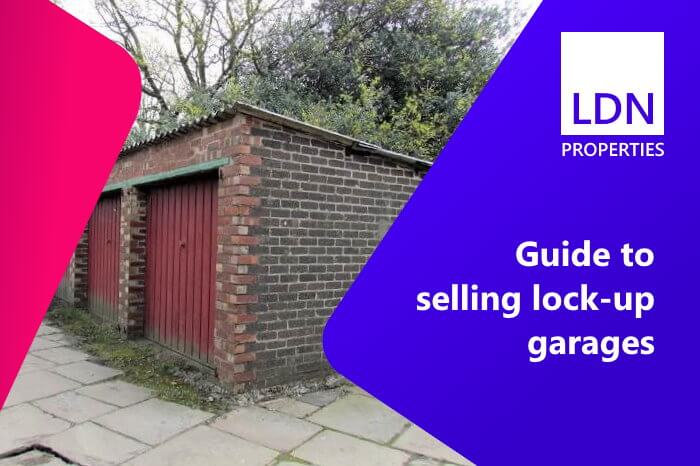
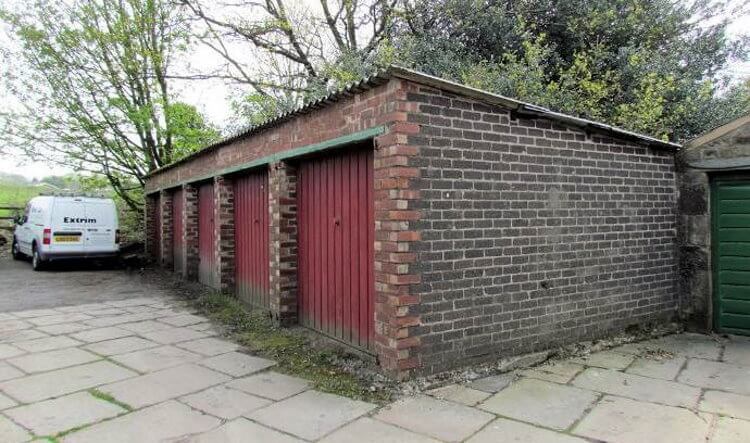
A lock-up garage is a term that found popularity in the 20th century and generally refers to a stand-alone garage that may or may not be part of a larger property. It’s possible that the garage could be one of many identical units in a row that are unconnected to any house or flat, or the garage might instead be considered part of a home even if it’s not attached to one.
These units can be used for storing anything that would fit inside, including cars, bikes, household appliances, personal belongings, documents, and many other examples. There are usually no restrictions on what you can and cannot store in a lock-up garage that you own.
There are thousands of lock-up garages throughout the UK and demand for the units remains constant because of the many different uses for them. Some companies have a large inventory of lock-up garages and then rent them out for a weekly, monthly or annual fee. For example, one such business says it has more than 14,000 garages spread across at least 1,000 sites throughout the country that are currently available to rent.
How to sell or buy garages
Lock-up garages can generally be bought and sold much like any other type of property, regardless of the past ownership of the unit. Perhaps you own a garage that is on the same land as your house but not connected to the building, and you would like to sell the unit to make some additional cash. Or you might have inherited a lock-up garage that you want to sell for financial reasons.
Buying and selling a lock-up garage can be relatively straightforward, particularly if you are the freehold owner of the unit. This means you have absolute ownership rights to the garage without any limits. It might get more complicated if you are the leasehold owner of a garage, which means that a leaseholder owns the property on which the garage sits but you get to own the unit itself for a specific amount of time in addition to paying the freeholder a ground rent.
Whether your garage is freehold or leasehold, as part of the sale either you or your designated solicitor or other legal representative will have to work with the buyer to transfer the ownership of the property. This means contacting HM Land Registry, which is a non-ministerial department the UK government that registers property and land in England and Wales. The Government department’s website has full details of the process that you’ll have to pursue for transferring the registration of ownership to whoever buys your garage, and there are fees associated with this.
As explained later in this guide, there can be some complications involved with trying to sell a garage that is considered to be part of a larger property. The freeholder of the property might object to selling off the garage, or the mortgage company that originally provided you the loan to buy the larger property could be opposed to selling off just the garage. Keep reading to learn more about this situation, including whether it’s possible to overcome barriers to selling.
The pros and cons of owning a lock-up garage
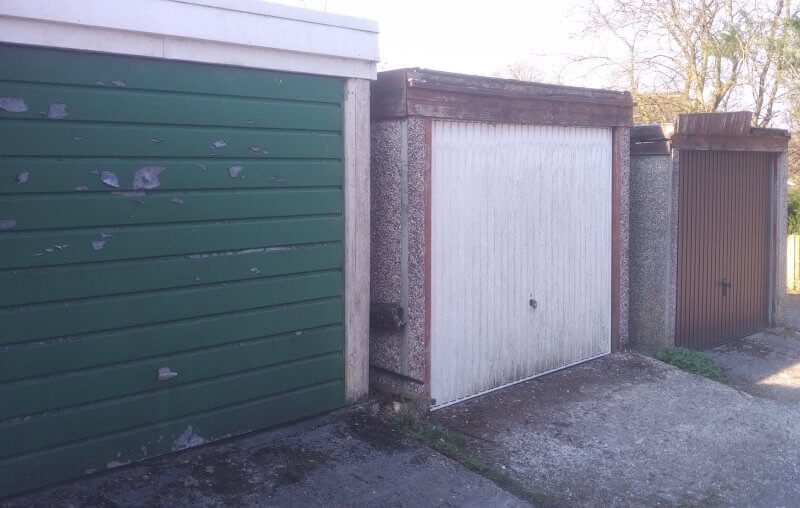
If you own a lock-up garage, whether one you’ve inherited, or bought as a stand-alone unit or as part of a bigger property, there are various pros and cons about possessing this type of property. And it’s useful to know about these advantages and disadvantages, because it can help you to understand why your specific unit might potentially be struggling to sell.
Some of the advantages of owning a lock-up garage are:
- Extra storage space for your unused home appliances, personal belongings or other items, helping to reduce the amount of clutter that you have in your property
- A potentially good long-term investment if the garage is located within an area that sees consistent growth in prices for such units, for example in busy city centres
- If you drive a car, you no longer have to worry about paying for public parking or risking a parking ticket because you have a secure covered place to park the vehicle
And some of the disadvantages of owning a lock-up garage are:
- It could be costly to own a garage if you need to pay to repair any damage that occurred before you own it or during your ownership, such as holes appearing in the roof
- Some criminals consider lock-up garages to be great targets for break-ins because they’re not attached to properties, so you could lose your possessions this way
- If the garage is situated in area where demand for such units is always low, it’s entirely possible that the unit could be a bad investment that might even lose value
Can you sell a garage that’s part of a property?
The short answer is that yes, it is possible to sell a lock-up garage even when it’s part of a larger property and not considered to be a stand-alone unit separate from any other property.
The longer answer is that it can be more complicated to sell your garage in this situation. If you bought the garage as part of a larger property – for example, if you bought a house that had a stand-alone lock-up garage nearby – and used a mortgage to purchase it, you might find that the lender will refuse to allow the sale of the garage on its own. And you need to have the consent of the mortgage company before you can legally proceed with selling the garage.
Mortgage lenders are wary of selling lock-up garages that are part of a larger property because they would effectively be relinquishing any right to that section of the property, even though they will have issued the original home loan to you for buying the entire property, including the garage. Be prepared for your lender to reject the request and giving you this explanation.
However, this is not an absolute rule and there are some mortgage companies that might be willing to entertain the sale of the garage even as you retain ownership of the rest of the property.
Another potential hurdle, which can apply both with mortgage lenders and freeholders of a garage, is if your unit has a so-called restrictive covenant that’s included within the title deed for a larger property that explicitly bars selling the garage separately from the overall property. Unfortunately in this situation there is nothing that you can do to break this covenant.
Calculating the potential value of your lock-up garage
The value of a lock-up garage can vary significantly based on a number of factors, including its location, size, condition and other important elements, and whether there are many or few similar garages for sale in the area.
Location is perhaps the primary issue that will affect the potential sale price of your lock-up garage. If the unit is located in an area where many people want to live and work, this will naturally increase demand for garages. And high demand means that the existing inventory of available units will start to dwindle, which will only serve to push prices even higher.
For example, a single-car garage in the Welsh city of Newport recently sold at auction for £32,950, which is more than three times the original asking price of £9,000. The company that auctioned the unit told local media that the reason for the massive sale price is because of ongoing significant demand for garages in the rapidly growing city.
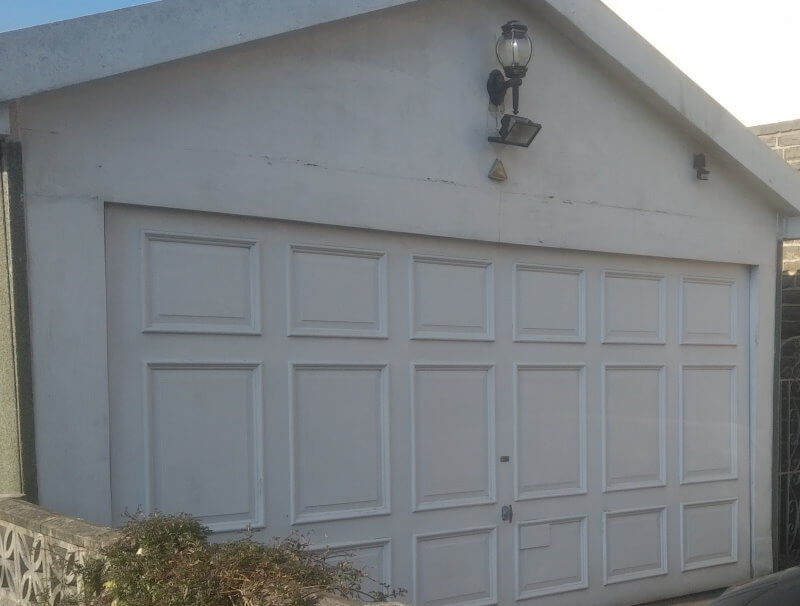
The size of your garage is also an important consideration, because some buyers might just want a relatively small space for storing just a few items, whilst others could be looking for a garage that can comfortably fit at least two vehicles. You’ll just have to accept that certain buyers have very specific size considerations in mind when looking for a garage, and that just because yours does not meet their criteria is not a statement that the unit is unsellable.
Another issue that could affect a buyer’s interest in your garage is the general condition of the unit. Garages require much less general upkeep than a home, because they often have very basic components, such as a roller door and typically walls without windows — although some might have one or two windows, but this is not typical with garages in city centres. They could have electricity to power a light in the unit, but the overall maintenance costs are low.
However, if the garage has some major structural problems, this could turn a buyer off from having any interest in buying it. Such situations could include a damaged roof that has holes in it, which lets rain in, or subsidence that is causing part of the garage to sink slowly into the ground. These are problems that you will have to tell buyers about, because if you hide such a fact from them and they purchase the home and then discover the issue, they could sue you.
There are other factors that might affect a buyer’s interest in purchasing a specific garage, including whether there has been a pattern of recent break-ins to such units. Although this is somewhat tied to the issue of location, it is a separate consideration for many buyers because they could be willing to overlook the risk of a break-in for a garage in a high demand location.
Methods to sell your lock-up garage
Deciding how to sell your lock-up garage is the last major decision that you’ll have to make when trying to find a buyer for the unit, and the various approaches all have their own specific advantages – and some choices have very clear disadvantages compared to other methods.
Most owners will have to decide among using the services of an estate agent, considering an auction, trying to sell on their own, or selling to a fast buyer like LDN Properties.
Consider the pros and cons of the different methods below to help you make the important decision on how to find a buyer for your lock-up garage. It’s useful to draft a budget for the sale of the unit that is honest about how long you can or are willing to wait to sell, and the amount of money that you can accept investing in the sale process, as well as your ideal sale price. That can help to make the choice easier when trying to find the ideal option for your situation.
Using the services of an estate agent to sell your garage
A top benefit of using an estate agent is that they will handle the bulk of the hard work with finding a buyer for your garage.
They will be responsible for putting together a listing, which features text descriptions of the garage’s main features such as its total square footage, whether it has windows, and more, along with several photographs of the interior and exterior. They will advertise this listing in local newspapers, in their office and online, and schedule viewings for potential buyers to tour the unit. And they’ll also usually be responsible for leading those viewings of your garage.
In exchange for all of this work, the estate agent will charge you commission that usually is based as a percentage of your garage’s sale price. You’ll have to subtract this fee from the sale value in order to calculate how much net profit you will make from the sale.
Selling this way can also take a long time, and it’s not unheard of for some garages to remain on the market for several months, or possibly even longer than a full year. This can be highly problematic if your goal is to sell your unit as quickly as possible and for a profit.
It’s possible that some estate agents might never have sold a lock-up garage, either because they’ve never tried to, or they have tried and failed to do so in the past. That’s why it’s vital you ask individual estate agents about their past success or failure with selling these units, because it can help you learn whether the company might find it difficult to find a buyer for your garage.
Considering an auction for your garage
Another way you can attempt to sell your garage is by using an auction, where people will place bids on the unit. Your hope is that many people want to buy the garage, and so they keep trying to outbid each other by placing ever-increasing bids on the unit, driving the final price higher. Just be aware that your garage might not receive any bids, in which case it will be deemed unsold and you’ll have to start over with trying to find a buyer for it.
The auctioneer will ask you to set a reserve price, and this is the lowest possible value at which you agree to sell the garage. You must ensure that the reserve price is workable for you after subtracting the commission that the auctioneer charges. Otherwise you will be at the risk of selling your garage at a loss, and that’s an outcome that no seller wants to happen.
It can take some time to sell your garage this way, with a wait of at least a month for the auctioneer to create and advertise the listing for the unit. And even if it manages to sell at an auction, the buyer usually has about 28 days to complete their required steps for the transaction, such as signing all of the legal documents. The entire process from beginning to end can take at least a couple of months, so it’s not necessarily the fastest way to sell a garage.
But the good news is that a winning bid at an auction is deemed a legally binding agreement by the high bidder to purchase your garage. This means you can sue to enforce the sale in the event that whoever wins the bid then tries to walk away from the purchase of your garage.
Some auctioneers might not know how to sell lock-up garages, as their expertise might only be with selling houses or flats. You should ask specific companies for their historical sales data on selling garages, and be wary of any auctioneer that has never sold such a unit or has only sold them at a reduced value, as it implies they may struggle to get a good price for your garage.
You’ll typically also have to pay an auctioneer commission, which will lower the net profit that you can expect to make. You should ask specific auctioneers whether it might be possible to pass some of the fees on to the winning high bidder.
Trying to sell your garage on your own
Another method for selling your lock-up garage is to try doing so on your own, although this can be perhaps the most stressful approach. That’s because you will be responsible for every aspect of the sale, from the initial marketing of the unit through to overseeing its completion.
In addition, look on property sales websites to browse the prices of units that are similar to yours for sale in the same area or nearby. As outlined earlier in this guide, the price of garages can vary widely across the UK, with some relatively small garages in the East Sussex town of Hastings recently selling for up to £20,000.
But when you sell this way, you will have to prepare a listing for the garage, advertise it, handle all queries from potential buyers, take them on viewings to see it, and handle any serious offers through to completion. This can be a stressful and time-consuming amount of work, and it will also cost you money with advertising and other aspects. It’s only recommended if you have experience with selling property, or have a family member or friend who does, and is willing to help you. Otherwise it can be a very overwhelming way to sell.
Selling your garage to a quick property buyer
Or you could consider using a quick buyer, like LDN Properties, to sell your lock-up garage. These companies have the financial resources upfront to immediately buy your unit, without having to wait a few months to get approval from a mortgage lender for the funds to purchase the garage. As a result, these businesses are usually able to complete the entire process of buying a unit in just a few weeks, including speedily paying you the full proceeds.
The legitimate fast property buyers also never charge any commission to sellers when purchasing properties, which means that you would get to keep all of the proceeds from the sale of your garage.
And quick property buyers also give lock-up garage owners an incredibly streamlined, no-stress and hassle-free way to sell their units. You’ll only have one visit from a company representative who will assess the garage in person before the fast buyer makes a final offer for purchasing the unit, compared to potentially dozens of viewings if you try to sell through an estate agent.
Fast buyers are also well-known for being open to purchasing properties regardless of their age, condition, type, shape or size. That’s true for houses and flats, as well as lock-up garages. A quick home buyer will not usually be discouraged from making an offer to buy your garage even if it has a structural problem such as subsidence, and they’ll still give you a decent price for the unit.
This also means that quick buyers are not going to be as concerned about the location of your garage. Therefore, even if you own a unit that is in area which has traditionally not seen much demand for lock-up garages, you could still get a speedy sale with a fast buyer.
Selling garages: typical questions and answers
If you’re trying to sell your lock up garages, you probably have a few questions for us about the steps. Here are a selection of the questions people ask us:
Lock-up garages generally are individual garages that are separate from residential properties, for example there could be an alley of several garages completely unconnected from a house or block of flats. They can be used for storing whatever fits inside the space, and they are usually secured with a lock when the garage door is closed, hence the name lock-up garage.
Possibly, but there are several factors that can complete or event prevent a sale. Lock-up garages are sold throughout the year across the UK, and some can attract very high prices. However, if the garage is separate from, but still part of, a larger property such as house then the lender that provided the mortgage for the property owner might object to selling the garage.
Using a quick home buyer such as LDN Properties means you should be able to sell your lock-up garage within a few weeks, and that includes exchanging contracts and receiving the sale proceeds. If you sell via an auction you can expect to wait at least a couple of months to complete the entire process, and selling with an estate agent can take even longer.
No. You’ll be liable for paying commission, which can be quite large, if you use the services of an auctioneer or an estate agent to sell your lock-up garage. But if you sell your property on your own, or you use a fast buyer like LDN Properties, then you won’t have to pay any fees and you can count on receiving the full profit from whatever sale price you get for the garage.
Some estate agents might mislead you by quoting an inflated price for selling your lock-up garage, because they want to get your business. A simple way to avoid this trick is to get quotes from multiple estate agents and also look at prices of similar garages online, and then calculate the average of all the values in order to get a more accurate price for what you’re selling.
Legitimate quick home buying companies, for example LDN Properties, belong to a third party organisation known as The Property Ombudsman (TPO), which publishes rules that aim to shield homeowners from scams in the fast buying sector. All TPO members must adhere to those regulations, which should give you additional peace of mind when selling your garage.
It might be tempting to try selling your lock-up garage without using an auctioneer or estate agent because then you won’t have to pay them any fees for their work. However, you will have to invest time and money in selling your garage, and it can be very stressful. An easier way to sell your garage quickly and without fees is using a fast buyer like LDN Properties.
LDN Properties can make you a cash offer for your garages
Are you looking for a simple and quick way to sell your lock up garages? Click on the button below, or speak with the team at 020 7183 3022. We’ll talk you through our straightforward and stress-free approach to give you a fair offer to buy your garages with no fees.