Quick navigation
There are many beach huts located across the UK, ranging in size and style, and they are very popular with people who like to spend a lot of time at the seaside. If you are thinking about trying to sell your beach hut, there are various important parts of the process that you should know about, including what to do to try and get a competitive and speedy offer from a buyer.
- What type of property is a beach hut?
- Getting consent for selling your beach hut
- Preparing your beach hut for sale
- Paying Capital Gains Tax when selling a beach hut
- Your options for how to sell a beach hut
- Top questions about selling your beach hut
What type of property is a beach hut?
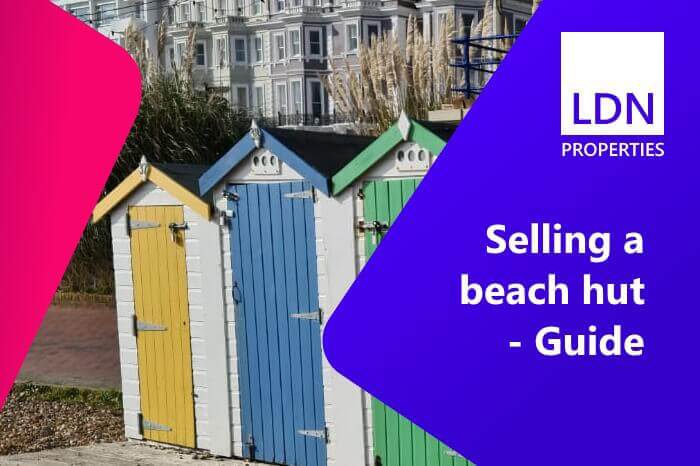
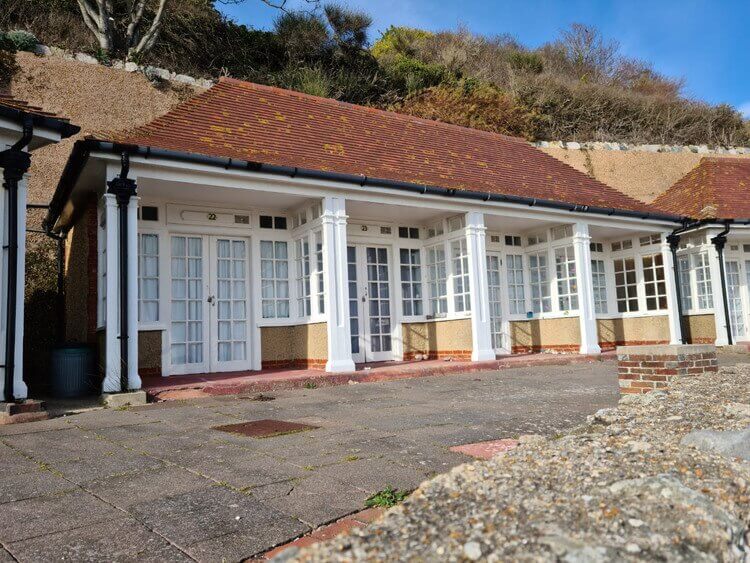
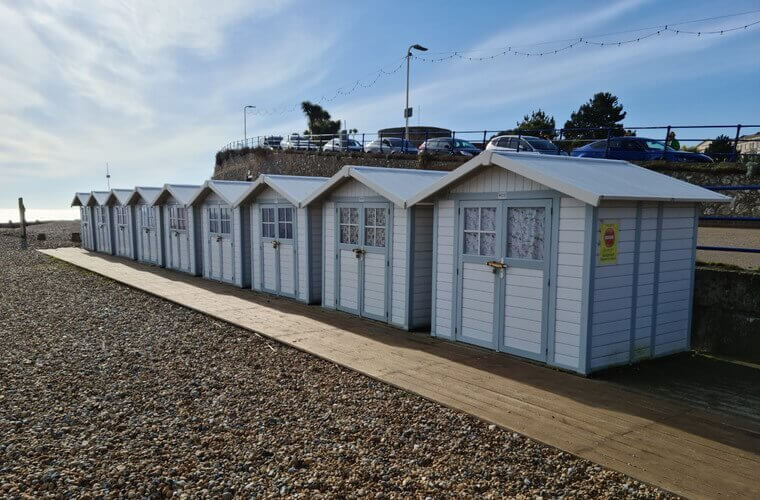
Beach huts are small, often brightly coloured, properties about the size of a typical garden shed, and are located on beaches throughout the UK as discussed in this Wikipedia article. Some estimates suggest that there are more than 20,000 beach huts in the UK according to Britain-visitor.com.
The vast majority of these properties are constructed from wood, although other materials can be used for their construction, and they may or may not have windows. They date back to at least the early 1900s, at which time many started to be built for use by people on holiday.
Beach huts usually have some basic furniture such as chairs and a table, and are also used for storing items that might be needed for a day at the beach, such as an umbrella, towels and more. They’re rarely used for overnight accommodation because of their basic setup, and instead are primarily a perk for people who enjoy spending a lot of time at the beach. Still, there are a handful of beaches that have their own water and electricity supplies, but there are rare.
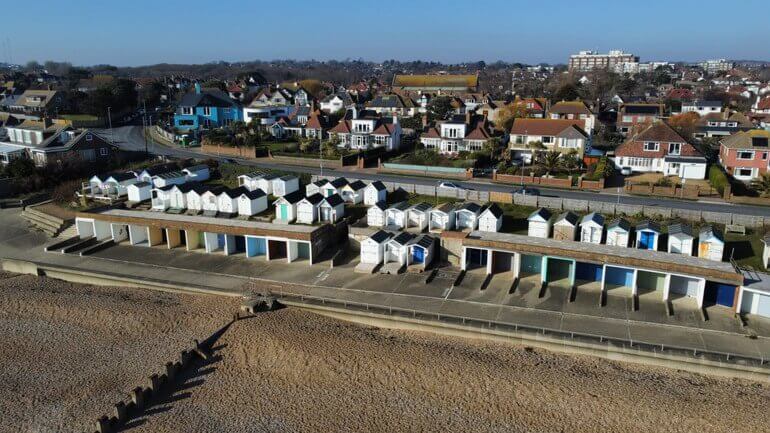
The value of a beach hut can vary significantly due to a number of factors, including the size and condition of the property, and most importantly its location. A beach hut located by a popular destination such as Blackpool or Brighton is more likely to generate greater interest from potential buyers than one that is located at a beach that doesn’t attract many visitors.
That means the value of your beach hut may vary wildly compared to others; there are some beach huts that sell for around £20,000 but others than get offers over £100,000 or even much higher.
If you are interested in selling your beach hut, it’s important to understand the legal issues involved with this unique type of property, and how that might affect your attempt at selling. The rest of this guide will walk you through the various steps involved, and provide some important advice on how to hopefully make it easier to get a fast and competitive offer for your beach hut.
Getting consent for the sale of your beach hut
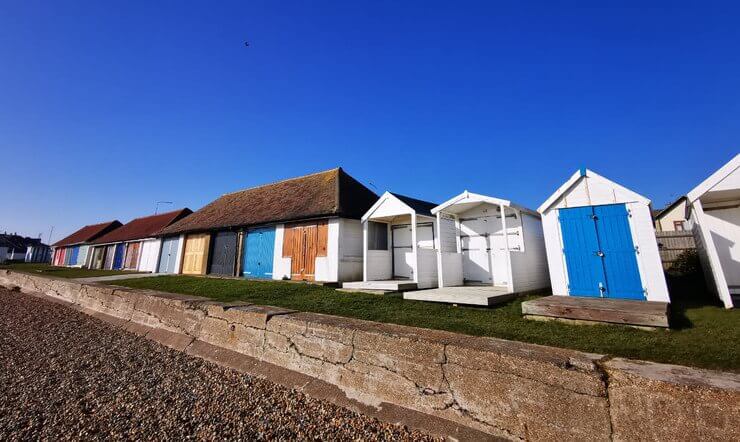
When you’re preparing to find a buyer for your beach hut it will be more complicated than trying to sell a freehold house or flat, because you will have to get the approval or consent of the landowner before trying to sell the property. A useful resource to refer to when selling your beach hut is the Bournemouth Beach Hut Association.
Because of their beachside location, beach huts are mostly leasehold properties. This means that the owner of the beach hut has legal ownership of the building but not the beach or nearby land on which it sits. And that ownership is only for a set number of years as defined in a lease agreement with the freeholder, who is the person or entity that has ownership of the land where the beach hut sits.
The leaseholder usually pays the freeholder a ground rent each year as part of the condition of the lease agreement. You don’t have a standard right to seek a lease extension once it expires or to purchase another lease for a beach hut. Instead, you will have to talk to the freeholder, which is typically a local authority, if you want to extend your beach hut lease before selling.
Because beaches tend to be overseen by local authorities, that will likely be your freeholder and you should approach the landowner to get their formal consent for selling your beach hut. It’s important to take steps to get this consent as early as possible in the selling process, because not having it in place quickly could potentially cause complications for you later on.
Preparing your beach hut for sale
A positive aspect of owning a beach hut is that because these properties are relatively small, it should not take too much time or effort to prepare it for sale, compared to a house, flat or other much larger property that might require significant work before attempting to find a buyer.
When you are ready to sell your beach hut, start by assessing the interior and exterior of the property to look for any structural problems or other flaws that could potentially make some prospective buyers lose interest. Chipped paint, a damaged roof and similar issues could reduce the perceived value of your property.
One option you have is to spend money and time on fixing whatever problem you discover. Otherwise, buyers might reduce their offers by the amount of money that they expect it will cost them to do the work once they own the beach hut. Investing in addressing the problem before trying to find a buyer can eliminate this situation and hopefully boost your sale price.
However, you might not have the time or funds available to fix whatever problem your beach hut has before attempting to sell it. If that’s your scenario, you should consider contacting a quick property buyer because these companies have plenty of experience with making competitive and speedy offers to buy so-called problem properties "as is" without any repair work done. It can be a great option for selling fast and overcoming the hurdle of a problem with your property.
Regardless of whether you make any repairs to your beach hut, you should at least tidy it up and make it presentable for potential buyers. You can take small and low-cost steps to improve its perceived value, such as giving the exterior a fresh coat of paint before selling.
A beach hut that looks in good condition and is not cluttered on the inside will appear more valuable to prospective buyers, which could in turn result in you getting better offers compared to a beach hut that is not well maintained, which may result in offers at lower prices.
Paying Capital Gains Tax when selling a beach hut
Whenever you sell any type of leasehold or freehold property, you will have to review whether you might have to pay the UK government a charge known as Capital Gains Tax.
This tax, if it applies, will be charged on the amount of profit that you make on the sale of your beach hut, rather than the overall sale price. Some beach huts may sell for around £20,000 but there are also occasionally news reports about unique beach huts than can reach much higher prices, including one in Norfolk listed for £195,000 as reported by EDP24.
Check in with a financial professional who will be able to tell you whether Capital Gains Tax applies to the sale of your beach hut. They might also be able to help you identify certain steps that you could take that might either reduce or eliminate your duty to pay this tax.
Your options for how to sell a beach hut
When it’s time to sell your beach hut, you will need to decide among four options for how to do so; selling to a fast buyer, selling via an estate agent, selling at a property auction, or selling on your own. You will discover that there are specific benefits associated with each of the four methods, but some of the choices also come with rather prominent disadvantages – such as requiring that you pay expensive fees or having to wait a long time to secure a buyer.
To help you identify which method of selling is most suitable for your situation, write down what your top goals are trying to find a buyer for your beach hut, including how long you’re willing to wait to sell, whether you can accept paying commission when selling, and other factors. Then compare this information against the details of the four methods outlined below, and that you should assist you in trying to identify the selling choice that best meets your wants and needs.
Selling to a fast buyer
Fast buyers are also known for being able to make fair offers for practically any type of residential or commercial property, no matter its age, condition, shape, size or type. They can buy properties "as is" without the buyer first having to repair any potential problems.
LDN Properties, for example, has a highly varied list of purchases that it’s made since launching in 2003, including beach huts, bed and breakfast properties, Wimpey No-Fines homes, properties that have dry rot, homes with subsidence, penthouse flats, vandalised homes, properties with septic tanks, flats that have poor Energy Performance Certificate grades, houses near railway lines and plots of land.
These companies are known as fast buyers because it typically takes them only a handful of weeks to complete the purchase of any type of property, and that includes the time required to finish all of the required steps such as exchanging contracts and paying the owner their sale proceeds. They are able to handle sales so quickly because these companies don’t have to wait for many weeks or months to get approval from a mortgage lender for a loan to cover the cost of the purchase. This can make selling to a fast buyer a speedy way to sell your beach hut.
Another top advantage of selling via a fast buyer is that the legitimate companies will never ask you to pay them any commission, which helps to reduce your costs with the sale. By contrast, you will have to pay fees when selling your beach hut via an estate agent or auctioneer.
Selling via an estate agent
Using an estate agent is a traditional way of selling a property that involves several steps, starting with the estate agent creating a listing that includes photographs of your beach hut’s interior and exterior and a description of its main features. The estate agent will advertise this listing in their office, online and in local media, and organise viewings for potential buyers to visit the beach hut, as well as fielding offers and hopefully taking one of them to completion.
In return for all of this work, the estate agent will charge commission based on the sale price you’re able to get for the beach hut. This charge will be subtracted from the sale proceeds immediately, which will add to your overall costs.
This might also be quite a time-consuming way to sell your property, because you could be waiting more than a year before finding a buyer. If you’re trying to sell the beach hut in a hurry then you may want to consider other speedier options for selling the property.
Also note that some estate agents might not have any past experience with selling beach huts, because they can be a more specialist type of property. If that’s the situation, the estate agent could struggle to find ways to generate interest from buyers in your beach hut. Always ask individual estate agents whether they have managed to sell beach huts in the past.
Selling at a property auction
It’s a gamble to sell your beach hut at an auction, because there is no guarantee about what the final sale price might be. You’ll choose a reserve price – the lowest value that you’re willing to sell your property – and then people will be able to place bids of ever-increasing value.
The goal is to have many people interested in your beach hut so that they keep trying to outbid each other, pushing the final sale price very high. But you might only get a single bid at the reserve price, which means your beach hut sells, and the winning high bidder can sue to enforce the sale if you try to back out of it. Be sure to select a reserve price that will generate you a profit even after paying the auctioneer their fees, which can be quite high.
Typically, an auctioneer will make you pay commission, and it will be deducted right away from the sale proceeds, adding to your costs. If you are looking to keep costs down when selling your beach hut then you should consider other options, such as selling to a no-fee fast buyer.
Some auctioneers might be open to lowering their rate of commission or making the winning high bidder liable for paying some of your costs, so as them if they are open to it.
This can be far from the swiftest way to sell a beach hut, because there will be a wait of many weeks or longer between the day on which you list the property for sale and the day on which the auction occurs. If your beach hut does not sell at the auction, you’ll have to start over with trying to find a buyer, which will add even more delay. If your beach hut does sell, the buyer then has an average of 28 days to complete their paperwork and other legally required actions.
You might be able to negotiate a shorter deadline for the buyer to finalise their mandatory steps by asking individual auctioneers, so it’s worth asking about whether this is possible.
It’s also worth checking with auctioneers to ask about their track record with selling beach huts, because an auctioneer that has not sold a beach hut before might not understand how to market your property and generate sufficient interest from buyers. Auctioneers should be happy to share their past sale details, and you should be wary of any that will not do so.
You may be able to choose between either the traditional or modern method of auctioning your beach hut. With the traditional method the listing for your beach hut will be advertised for several weeks or longer before the auction occurs, on which day people can bid on your property for a limited amount of time. With the modern method, your listing will be live for a specified amount of time and people can bid on it 24 hours a day, seven days a week. Whoever has the highest bid at the time the listing expires will be deemed the winner.
Selling on your own
When you sell on your own, this means you are responsible for every step of the process, beginning with creating a listing for your beach hut, then advertising that listing, organising viewings, hearing offers, and taking a serious offer through to exchange of contracts.
This can be a major undertaking and it’s not something that you will be able to simply do in your spare time. It’s only suggested for people who have past success with selling properties, or who have a friend or family member with relevant expertise who is willing to help for you. Otherwise you could be creating a very time-consuming and stressful process for your life.
It’s also not a very fast way to sell a beach hut, and the average timeline for selling a property on your own can sometimes be more than an entire year. For those beach hut owners looking to sell as quickly as possible, you will likely want to consider some of the other options.
One prominent benefit of selling your beach hut without any assistance is that you will not have to pay any commission to a third party such as an auctioneer or estate agent, which should help in keeping your costs down. But those savings could be offset by the amount of money that you have to spend on advertising your beach hut and otherwise getting it ready for sale.
As an alternative option, you should consider selling your beach hut to a no-fee fast buyer like LDN Properties. These companies never charge sellers any commission, which helps keep your costs low, and they have the added benefit of being able to complete the purchase of your beach hut within a few short weeks, rather than the much slower method of selling solo.
Top queries and answers about selling a beach hut
Property owners looking to sell quickly sometimes have a number of questions that need answering, ranging from the repairs needed before selling through to selling in a run down condition. Here are the questions we’re sometimes asked about selling a beach hut:
Your top questions when selling a beach hut
Beach huts are classified as leasehold properties, because you will not be able to own the beach or seaside land on which the beach hut is located. Instead, local authorities are usually the freehold owners of that land, so you can buy a beach hut as a leasehold property for a set number of years in exchange for paying the freehold a ground rent annually.
Potentially, and if you do have to pay Capital Gains Tax on the sale proceeds it will be charged as a percentage of your profit from the sale. Note that there are certain ways that you can reduce or even remove your requirement to pay this tax. Be sure to consult with a tax professional.
Yes, an important step involved with selling your leasehold beach hut is getting the consent of the freeholder, which is usually a local authority, before attempting to find a buyer for the property. You should try and do this early in the process, because waiting to do this can cause complications later on if the freeholder finds out you tried to sell without their consent.
No, you won’t have to pay any fees for selling your beach hut if you do so on your own or with a fast property buyer. Estate agents will charge you commission based on the sale price, and this fee is deducted immediately from the sale proceeds.
It depends on the method of selling that you choose, because using an estate agent or selling on your own may take more than a year. Selling via an auction will take at least several months to complete all of the required steps. Using a fast buyer like LDN Properties is typically the swiftest option, as it should only take a handful of weeks to complete the sale.
Ask individual quick buyers whether they are registered with The Property Ombudsman (TPO), which is a third party organisation that issues regulations to protect owners against scams in the fast buying industry, and all TPO members must abide by those rules. If a fast buyer can prove they are a TPO member then that should give you peace of mind when selling to them.